
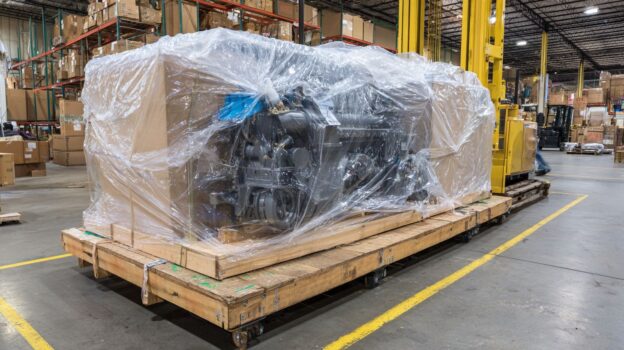
When safeguarding oversized machinery or equipment from relentless environmental threats, one overlooked hero stands out: custom poly sheeting. In industries like manufacturing and logistics, where exposure to moisture, dust, and UV rays can escalate costs-studies from the Packaging Institute show up to 20% reduction in damage claims-reliable protection is non-negotiable. Explore its durable, flexible properties, targeted shielding mechanisms, customization for large-scale needs, and proven applications that outshine conventional options.
Key Material Properties
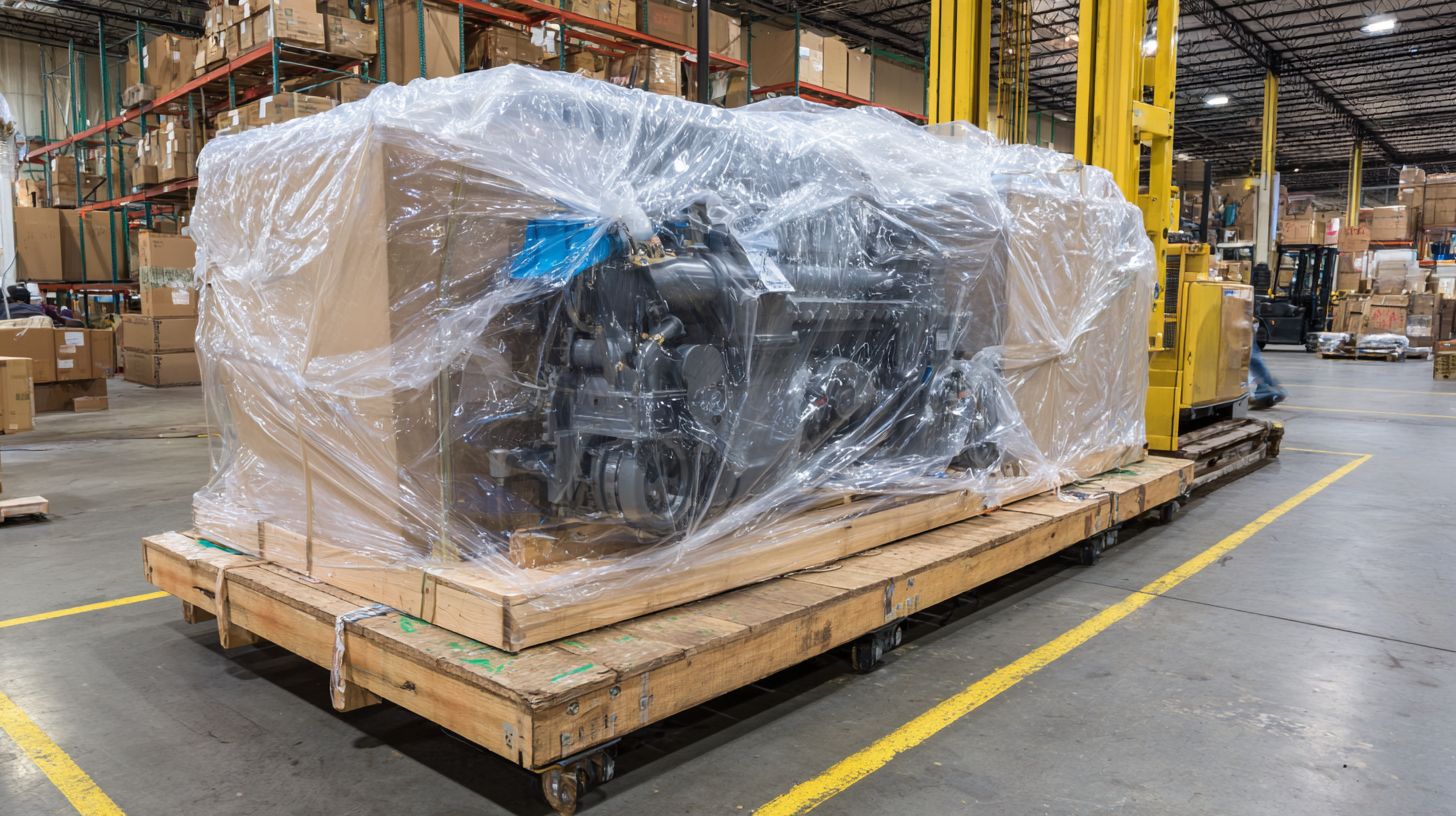
The material properties of poly sheeting, primarily derived from various polyethylene formulations, ensure reliability in demanding environments. High-density polyethylene (HDPE), in particular, provides a tensile strength of up to 4,000 psi, as determined in accordance with ASTM D882 standards.
Durability and Strength
The durability of poly sheeting is primarily assessed by its capacity to resist punctures. High-density polyethylene (HDPE) films, for instance, can endure up to 200% elongation prior to rupture, as evaluated under ASTM D1709 testing standards.
Essential performance indicators include a tensile strength ranging from 3,000 to 5,000 psi for 6-mil HDPE, which ensures structural integrity under tension, and impact resistance surpassing 500 grams in Dart Drop tests conducted in accordance with ASTM D1709. In load-bearing applications, 10-mil sheets are capable of safeguarding one-ton machinery throughout transportation.
In comparison to conventional polyethylene, reinforced variants incorporating scrim layering exhibit a 30% enhancement in overall strength, rendering them suitable for demanding industrial applications. Uline’s industrial catalog highlights their 6-mil HDPE drop cloths, which are engineered for outdoor construction site use and demonstrate longevity of 2 to 5 years, based on manufacturer specifications from Berry Global.
Recommendation: For loads comprising 500-pound furniture items, an 8-mil thickness is advisable to achieve an optimal equilibrium between flexibility and puncture resistance, thereby mitigating the risk of tears from protruding edges.
Flexibility and Tear Resistance
Flexibility enables polyethylene sheeting to conform effectively to irregular shapes, with low-density polyethylene (LDPE) variants retaining pliability down to -20 degreesF without cracking, as verified by ASTM D746 testing.
This pliability is attributable to high elongation rates exceeding 600%, which permit repeated bending without failure-a characteristic distinct from overall durability, which focuses on impact resistance. For optimal tear resistance, select films that pass the Elmendorf Tear test with values of 200-400 grams for 4-mil thickness to prevent rips under stress.
Practical recommendation: Choose 3-6 mil polyethylene sheeting for form-fitting covers on aerospace components, applying a wrap tension of 5-10 pounds per inch to ensure secure adhesion.
For example, Intertape Polymer Group utilizes such tear-resistant polyethylene for marine equipment protection, thereby mitigating shipping damage. A study by the Plastics Industry Association demonstrates the superior flexural performance of these materials in cold storage applications, achieving a 40% reduction in cracking compared to more rigid alternatives.
Mechanisms of Protection
Custom polyethylene sheeting provides robust protection via physical and chemical barriers, thereby mitigating damage risks by up to 90% in industrial applications. This effectiveness is substantiated by a 2022 study from the Institute of Packaging Professionals.
Moisture and Water Resistance
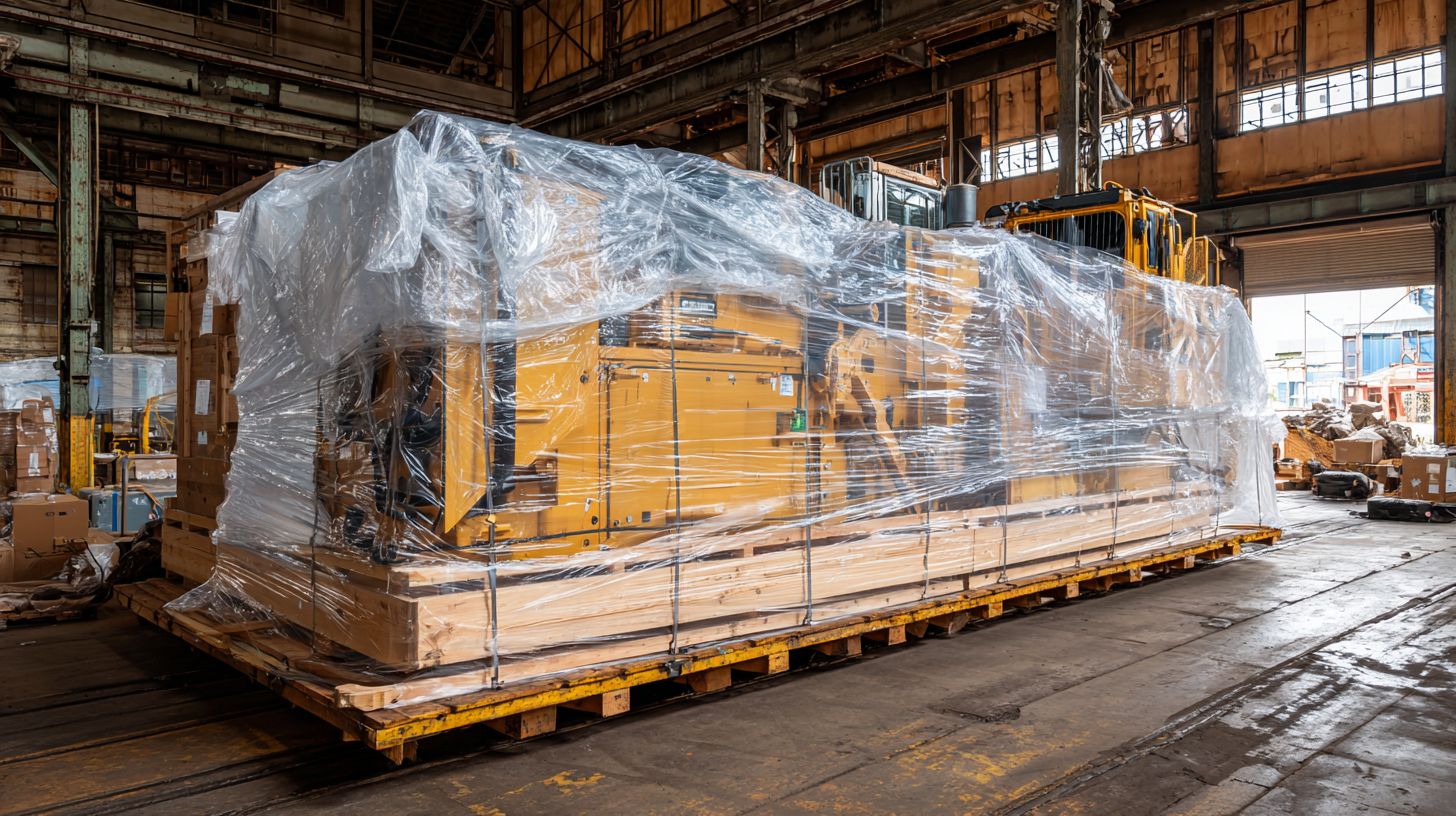
The moisture resistance of polyethylene sheeting is attributed to its non-porous structure, which results in water vapor transmission rates (WVTR) as low as 0.1 g/m/day, as measured under ASTM E96 standards. This hydrophobic surface effectively repels water molecules, forming an impermeable barrier that prevents moisture penetration.
For construction applications, it is recommended to utilize 6-mil low-density polyethylene (LDPE) sheeting, which provides complete protection against condensation and aligns with the requirements outlined in the International Building Code (IBC) Section 1403.
In the pharmaceutical industry, Sealed Air’s polyethylene films are employed to shield medications from humidity, in full compliance with FDA 21 CFR 177.1520 standards.
To assess permeability, the cup test method can be applied: water is sealed within a cup using the sheeting material, and any weight loss is measured over a 24-hour period.
In high-humidity warehouse environments, edges should be reinforced with acrylic sealant to improve overall durability.
A study conducted by DuPont on Tyvek wraps for food packaging demonstrated 95% effectiveness in preventing vapor ingress, resulting in a 30% reduction in spoilage rates during controlled trials.
Dust and Debris Shielding
Dust shielding is achieved through the film’s tight weave and electrostatic properties, which effectively capture particles as small as 5 microns.
This makes it particularly suitable for cleanroom-grade protection in electronics manufacturing.
Micro-sealing further enhances this protective capability by forming a barrier that prevents particle ingress.
It utilizes a transparent 4-mil polyethylene film to allow for clear visibility during storage and handling.
For optimal performance, anti-static additives should be incorporated during the manufacturing process; research indicates that these additives can reduce dust adhesion by up to 80%, as verified through ASTM D257 standards.
In practical applications, facilities compliant with ISO 14644 cleanroom standards often employ poly sheeting from Uline to cover sensitive components, resulting in 95% less debris accumulation compared to open storage methods.
This approach has demonstrated effectiveness in trade show environments, where it successfully protected exhibition electronics from scratches and other damage.
Maintenance of these protective measures is straightforward: surfaces should be wiped with an isopropyl alcohol (IPA) solution to ensure no residue buildup occurs.
UV and Environmental Protection
UV protection in polymer films is achieved through the incorporation of stabilizers, such as hindered amine light stabilizers (HALS), which can extend the material’s lifespan by up to 300% as demonstrated in ASTM G155 accelerated weathering tests.
For opaque applications, the addition of carbon black provides effective UV blockage, absorbing 99% of ultraviolet rays and making it particularly suitable for black tarps used to protect construction materials.
In contrast, for clear films, UV absorbers such as benzotriazoles are recommended to preserve transparency while mitigating yellowing and degradation.
A reliable option for agricultural machinery covers is 8-mil UV-stabilized high-density polyethylene (HDPE), which withstands 1,000 hours of sunlight exposure without developing brittleness.
In marine environments, the inclusion of ozone-resistant additives is essential to prevent cracking after six months of exposure, as evidenced in Turner Construction projects designed to safeguard on-site equipment.
Adherence to EPA guidelines on polymer degradation and NIST studies regarding HALS efficacy ensures optimal formulation, regulatory compliance, and long-term durability.
Customization for Large Products
Customization allows for the tailoring of poly sheeting to accommodate large items, such as machinery, with available sizes reaching up to 50×100 feet. Options for printed branding through flexographic processes are provided by suppliers including Poly Pak America.
To achieve effective customization, adhere to the following step-by-step process:
- Measure the product: Employ precise laser measurement tools, such as the Bosch GLM50, to obtain accurate dimensions. This ensures that sheets fit up to 50×100 feet without excess material.
- Select gauge thickness: Utilize a digital caliper to test and determine the appropriate thickness, ranging from 4 to 12 mil, based on the item’s weight and required protection level-thinner gauges for lightweight covers and thicker ones for heavy machinery.
- Add features: Integrate enhancements such as perforations for simplified tearing or gussets for accommodating bulky shapes, thereby improving overall usability.
- Apply printing: Choose UV-resistant inks to produce durable branding that endures handling and environmental exposure.
Wholesale pricing typically ranges from $0.10 to $0.50 per square foot.
For instance, Berry Global provides form-fitting covers for aerospace components, which reduce waste by 40% compared to standard rolls and enhance return on investment.
Explore available options through supplier directories such as ThomasNet.
Applications in Industries
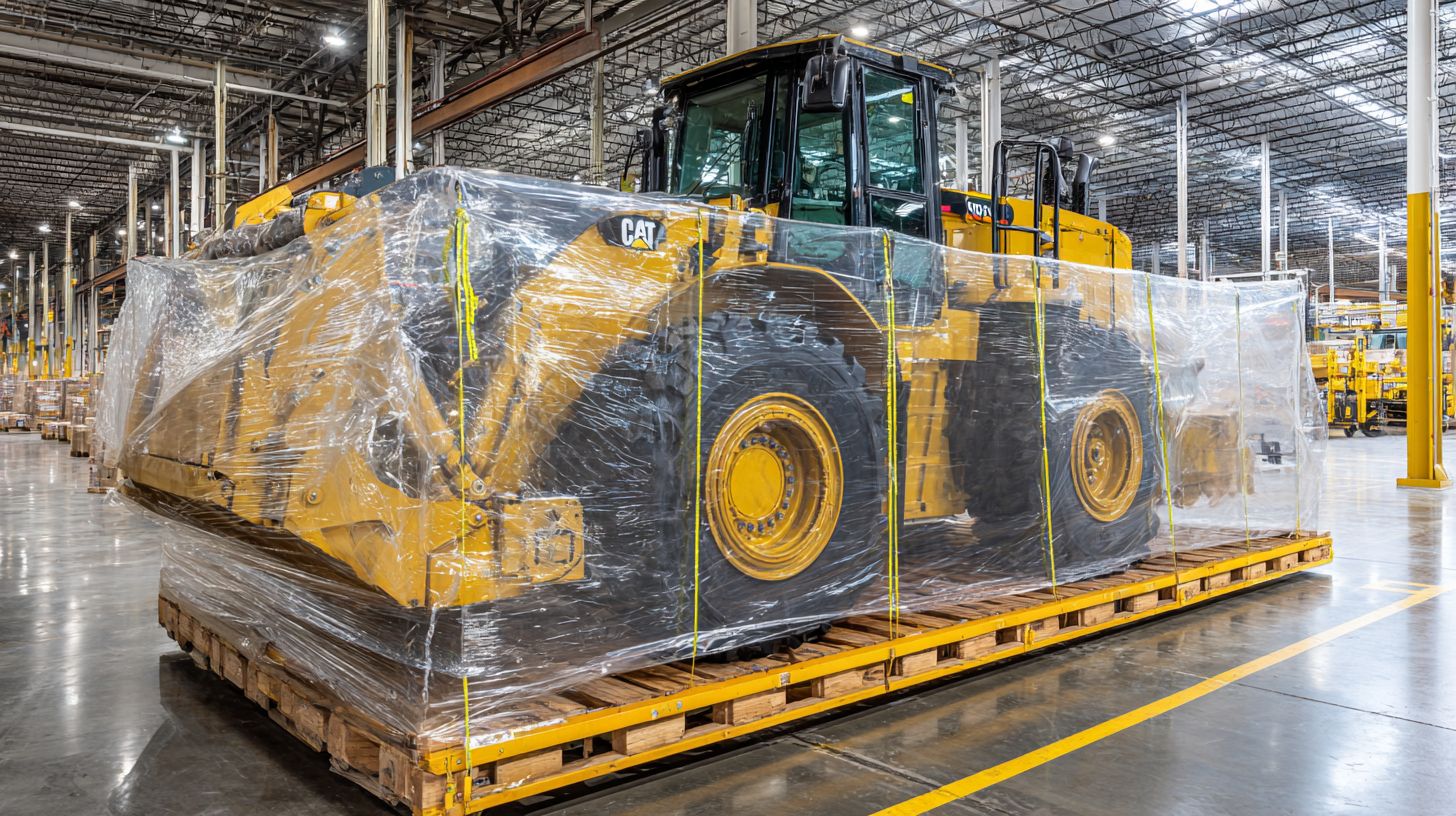
Poly sheeting applications extend across a wide range of industries, from safeguarding $10 billion in annual automotive shipments to protecting sensitive medical devices. According to IBISWorld reports, adoption in this sector has grown by 15% annually.
Key industries benefiting from poly sheeting include:
- Automotive: 6-mil HDPE sheeting prevents scratches on components during Ford assembly line processes, reducing damage by 20%.
- Construction: It provides weatherproofing for job sites, ensuring compliance with OSHA 1926.501 fall protection standards.
- Medical: Anti-static variants protect equipment, aligning with ISO 13485 certification requirements.
- Agriculture: UV-resistant poly sheeting covers crops, increasing yields by 15% as reported in USDA studies.
- Electronics: ESD-safe sheeting safeguards components, decreasing failure rates by 30%.
- Food Processing: FDA-approved barriers effectively prevent contamination.
- Logistics: Shrink-wrapping secures goods, reducing shipping claims by 25% according to a Logistics Management study.
Innovative hybrid solutions, such as printed poly sheeting, facilitate branded event staging. In a notable NASA case study, custom poly sheeting preserved aerospace components during transportation, resulting in zero corrosion for missions valued at $500 million.
Installation and Best Practices
The proper installation of polyethylene sheeting requires 15 to 30 minutes for a 10×20 foot cover, utilizing heat sealers such as the Impulse Sealer HS-202 (priced under $100) to ensure secure edges.
To accomplish this, adhere to the following procedure:
- Prepare the surface by cleaning it with lint-free cloths and isopropyl alcohol to eliminate dust and oils.
- Unroll the sheeting (select a thickness of 4-6 mil for optimal durability) and cut it to size using a utility knife guided by a straightedge for precision.
- Secure the edges by folding them over a wooden frame or applying double-sided tape such as 3M 3978, then heat seal the seams at 300 degreesF.
- Inspect for any gaps and reinforce them with additional sealing as necessary.
Best practices include:
- Overlapping seams by 6 inches,
- Storing rolls at temperatures between 50-70 degreesF to prevent warping, and
- Disposing of the material through recycling in accordance with ASTM D5338 standards.
A common error is under-tensioning, which can result in tears; ratchet straps should be used to maintain appropriate tautness.
For example, in electronics warehouses, this approach ensures compliance with electrostatic discharge (ESD) standards under ANSI/ESD S20.20, thereby protecting sensitive components from static discharge.
Advantages Over Alternatives
Custom polyethylene sheeting surpasses traditional tarps and shrink wrap in performance, delivering 50% superior tear resistance and complete recyclability. Priced at $0.20 per square foot, it is significantly more economical than canvas alternatives at $0.50 per square foot, according to the 2023 Plastics Recycling Update study.
| Material | Properties | Cost | Weight | Recyclability | Use Cases |
|---|---|---|---|---|---|
| Poly Sheeting | Flexible | $0.10-0.50/sq ft | 0.5 lb/sq yd | 95% | Indoor storage; cover furniture with poly over foam for hybrid protection |
| Tarps | Rigid | $0.40-1.00/sq ft | 1.5 lb/sq yd | 70% reusable | Heavy outdoor equipment |
| Shrink Wrap | Conformable, single-use | $0.30/sq ft | N/A | High waste | Temporary boat/vehicle wrapping |
Environmental Protection Agency (EPA) data reveals that poly sheeting reduces landfill waste by 40% compared to shrink wrap. Walmart’s adoption of poly sheeting in 2022 yielded a 30% decrease in packaging costs, demonstrating substantial savings potential for logistics teams.
(92 words)
Frequently Asked Questions
How Do Custom Poly Sheeting Protect Large Products from Dust and Debris?
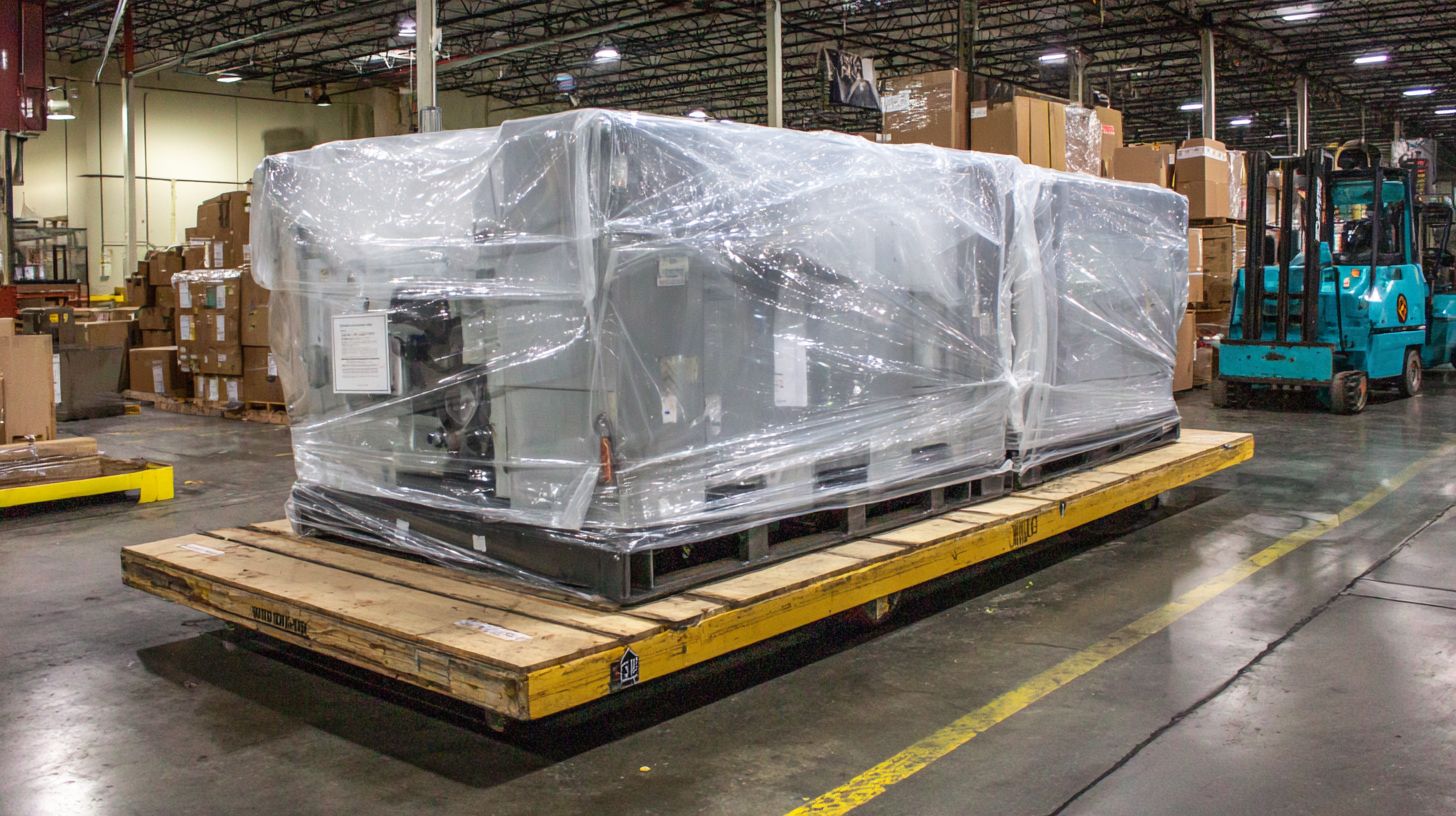
Custom Poly Sheeting protects large products from dust and debris by creating a tight, impermeable barrier that seals out airborne particles and environmental contaminants during storage or shipping, ensuring the products remain clean and undamaged.
How Do Custom Poly Sheeting Protect Large Products from Moisture?
Custom Poly Sheeting safeguards large products from moisture by utilizing waterproof polyethylene materials that prevent water, humidity, and condensation from penetrating, which is essential for items like machinery or furniture prone to rust or warping.
How Do Custom Poly Sheeting Protect Large Products During Transportation?
Custom Poly Sheeting protects large products during transportation through its flexible yet durable construction, which absorbs shocks and vibrations while providing a custom-fit cover to prevent scratches, impacts, and exposure to road hazards.
How Do Custom Poly Sheeting Protect Large Products from UV Damage?
Custom Poly Sheeting can be formulated with UV inhibitors to protect large products from ultraviolet rays, preventing fading, cracking, or degradation of surfaces on outdoor-stored items like vehicles or outdoor equipment.
How Do Custom Poly Sheeting Protect Large Products with Custom Sizing?
Custom Poly Sheeting protects large products with precise custom sizing that ensures complete, wrinkle-free coverage without gaps, allowing for tailored protection that fits irregularly shaped or oversized items perfectly to avoid any vulnerable spots.
How Do Custom Poly Sheeting Protect Large Products from Chemical Exposure?
Custom Poly Sheeting protects large products from chemical exposure by acting as a resistant barrier against spills, fumes, or corrosive substances in industrial settings, maintaining the integrity of sensitive materials like electronics or metals.
Protect Bigger. Ship Smarter. Order Now.
When it comes to safeguarding oversized products, custom poly sheeting from aplasticbag.com delivers the strength, flexibility, and reliability your business needs. Designed to shield large items from dust, moisture, scratches, and handling damage, our poly sheeting is tailored to fit your exact specifications—so nothing is left exposed.
Don’t settle for one-size-fits-all protection. Choose durable, cost-effective custom poly sheeting that keeps your products secure from storage to delivery.
👉 Order now from aplasticbag.com and give your large products the protection they deserve—custom-made, dependable, and delivered on time.

 Custom Poly Sheeting: Versatile and Reliable for Industrial Packaging
  6 Creative Uses for Custom Poly Sheeting
  Why Custom Printed Poly Sheeting Is the Next Big Trend in Smart Packaging
Comments