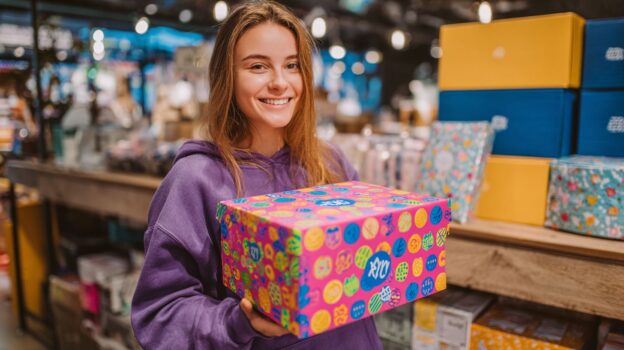
In the competitive retail landscape, a single box can transform a transaction into a lasting brand memory-studies from the Packaging Federation show 72% of consumers judge products by their packaging alone. Custom printed retail boxes wield this power by shaping perceptions through psychology, design, materials, and unboxing delight, while sustainability adds ethical appeal. Discover real-world case studies and metrics to measure their impact, unlocking strategies for deeper customer loyalty.
The Psychology of Packaging
Packaging effectively harnesses principles of consumer psychology to influence perceptions. Research published in the Journal of Consumer Research (2019) indicates that visual cues in packaging can enhance perceived product value by up to 30%.
First Impressions
First impressions are formed in less than 50 milliseconds, and eye-tracking research conducted by the Nielsen Norman Group (2022) indicates that 94% of initial product judgments are influenced by packaging design. This phenomenon exemplifies the halo effect cognitive bias, whereby visually appealing packaging enhances perceptions of product quality and affordability-for instance, IKEA’s minimalist packaging conveys value to cost-conscious consumers.
To optimize packaging design effectively, adhere to the following four steps:
- Incorporate high-contrast colors that align with Pantone’s 2023 trends, such as vibrant reds to convey energy and vitality;
- Utilize the golden ratio to achieve balanced proportions and visual harmony;
- Conduct testing through A/B methodologies using tools like UsabilityHub (priced at $49 per month);
- Evaluate user engagement via heatmaps provided by Hotjar’s free tier.
Consumer surveys reveal that 68% of individuals form opinions within just three seconds (Packaging Digest, 2023), emphasizing the critical importance of achieving immediate visual appeal.
Emotional Triggers
Emotional triggers incorporated into packaging design can effectively evoke feelings of joy or trust. According to a Harvard Business Review study (2021), positive emotions generated during the unboxing experience can increase customer loyalty by 25%.
To capitalize on this phenomenon, businesses should integrate three primary emotional triggers, each supported by practical implementation strategies:
- Nostalgia through tactile elements: Employ matte finishes that replicate the texture of vintage paper; utilize Adobe Illustrator for design purposes to convey a sense of warmth and familiarity.
- Excitement via personalization: Include customized inserts created with Canva Pro (priced at $12.99 per month), featuring tailored messages to enhance individual customer appeal.
- Security through robust closures: Incorporate tamper-evident foil seals to foster a sense of reliability and trust.
Research from the Neuromarketing Science & Business Association (2022) indicates that these elements can elevate emotional engagement by 30%. For example, Glossier’s signature blush-pink packaging evokes a feeling of enablement, thereby strengthening brand affinity throughout the unboxing process.
Branding Through Design
Effective packaging design that aligns with a brand’s identity enhances recognition by 80%, according to Interbrand’s 2022 report on visual branding.
Color and Visual Appeal
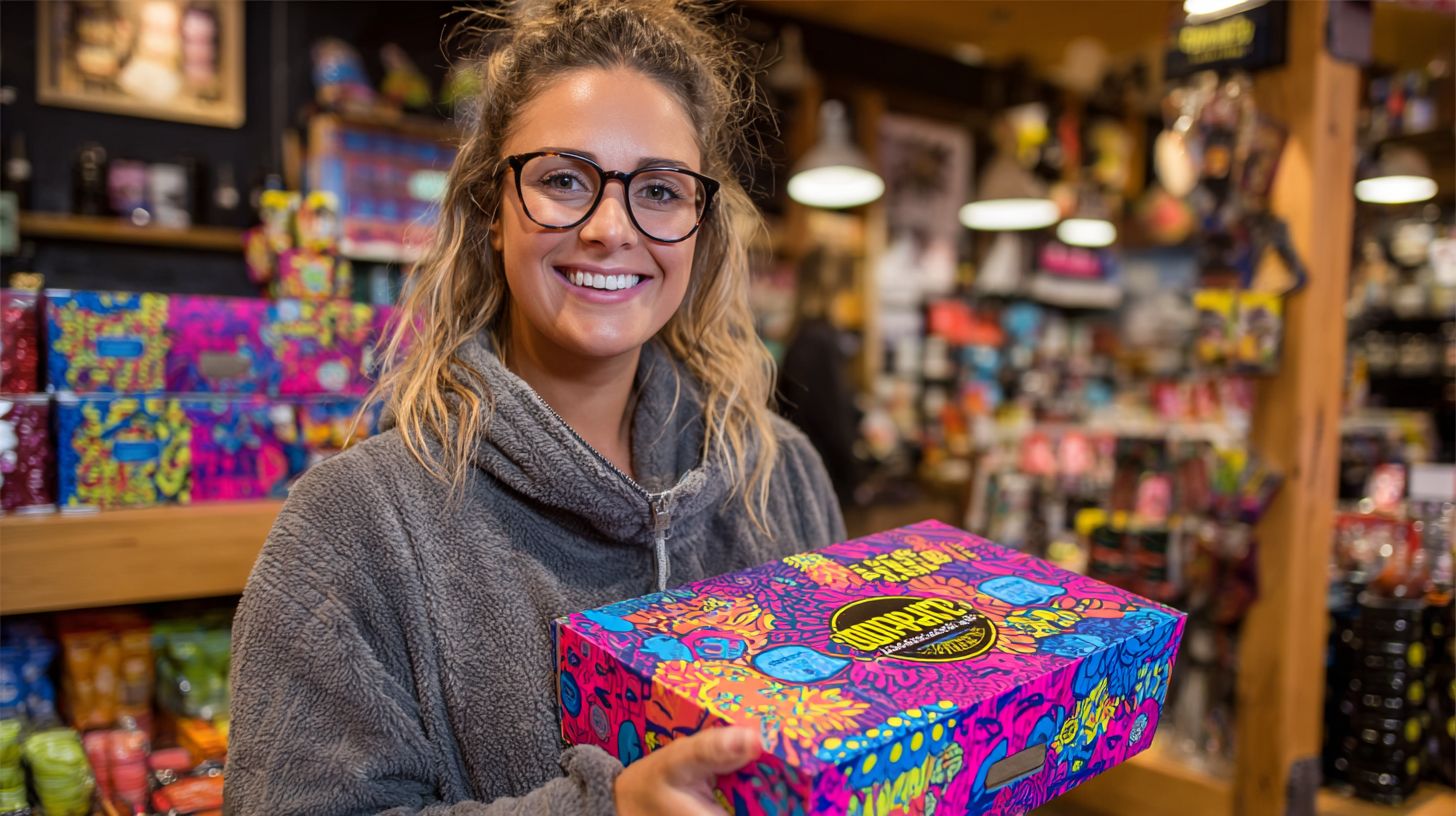
Color psychology plays a pivotal role in influencing 85% of consumer purchasing decisions, particularly through the evocation of trust by the color blue. For instance, Tiffany & Co.’s iconic blue box has been shown to increase sales by 20%, according to a 2020 study by Colorcom.
The color red effectively signals urgency, thereby enhancing impulse purchases by 15%, as demonstrated by Coca-Cola’s distinctive red cans. This effect is supported by a 2018 study in the Journal of Marketing Research, which examined the impact of color on perceived product quality.
Green, on the other hand, communicates eco-friendliness, exemplified by Whole Foods’ packaging, which resulted in a 12% uplift in brand loyalty based on Nielsen data.
To capitalize on these principles, professionals can generate color palettes using accessible tools such as Coolors.co, which is free, or Adobe Color, available for $20.99 per month.
For measurable outcomes, it is recommended to conduct A/B testing on three color variants for Amazon product listings utilizing Helium 10 software ($29 per month). Monitor key metrics, including clicks and conversions, over a two-week period to refine the application of trust- and urgency-inducing signals.
Logo and Typography Integration
Strategic placement of logos and typography can enhance brand recall by 40%, according to a 2021 study by the Design Management Institute on visual hierarchy. To apply this principle effectively, consider the following actionable steps for packaging design:
- Position the logo within the top third of the packaging to ensure visibility at eye level. Utilize tools such as Figma’s free tier to prototype and refine alignments efficiently.
- Opt for sans-serif fonts, such as Helvetica, to achieve a modern and highly readable aesthetic. Integrate these fonts through Google Fonts to maintain consistency across web and print applications.
- Incorporate tactile elements, such as embossing (available at $0.50 per unit via Packlane) or foil stamping ($1 per unit), to attract attention while preserving the overall design balance.
For example, Nike employs a subtle yet strategic placement of its iconic swoosh on shoe boxes, thereby reinforcing the “Just Do It” brand ethos. Designers may further reference Ellen Lupton’s “Thinking with Type” for established typographic best practices, ensuring that visual hierarchy effectively directs the viewer’s attention.
Material Quality and Perception
According to a 2023 Mintel report on tactile consumer experiences, high-quality materials increase the perceived value of products by 35%.
When selecting materials, evaluate available options in accordance with ASTM D4169 standards for durability testing, while balancing factors such as cost, strength, and luxury appeal. The following table presents common packaging materials:
| Material | Cost/unit | Durability | Perception Impact | Examples |
|---|---|---|---|---|
| Corrugated Cardboard | $0.20 | High | Affordable, sturdy | Amazon basics |
| Rigid Chipboard | $0.80 | Medium | Premium feel | Jewelry boxes |
| Velvet-Lined Fabric | $2.50 | Low-Medium | Luxurious, tactile | Sephora cosmetics |
For example, incorporating velvet-lined interiors enhances sensory appeal and strengthens emotional connections with consumers. As noted in a 2022 Forbes analysis, upgrading materials can result in a 20% increase in sales, thereby delivering a compelling return on investment for brands.
Unboxing Experience
According to a 2022 YouTube Analytics report, a compelling unboxing experience can yield five times more social shares, with 70% of consumers recording unboxing videos.
Surprise and Delight Factors
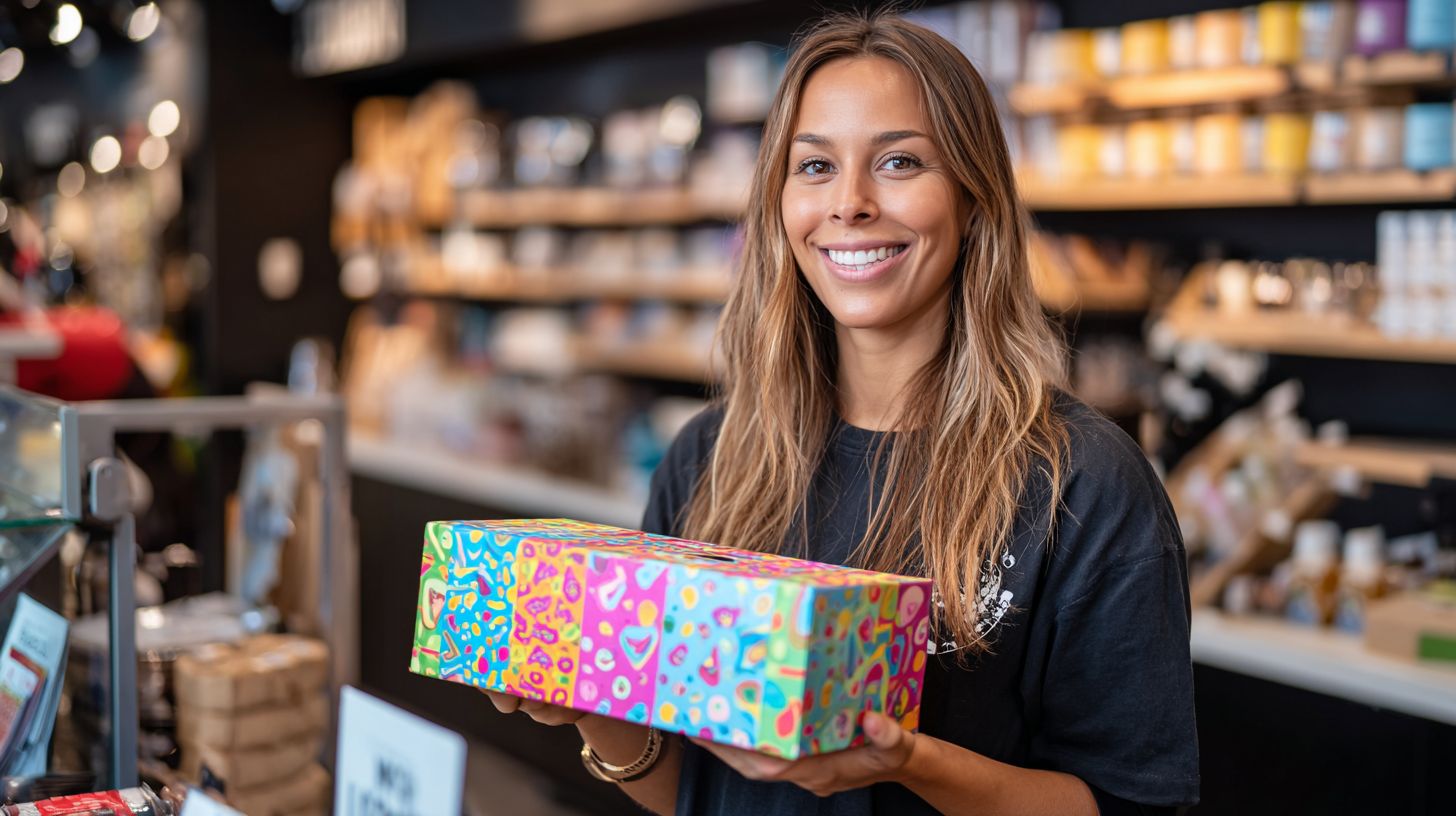
Incorporating unexpected elements, such as personalized thank-you notes, can elevate customer delight scores by 28%, according to a 2021 study by the Customer Experience Matrix. To effectively implement this strategy, it is advisable to concentrate on three key actionable elements.
- Employ layered reveals to heighten anticipation, for example, by utilizing nested boxes with die-cut designs in subscription services like Birchbox.
- Integrate custom inserts to provide a personalized experience, such as bespoke cards sourced from Vistaprint, available at a cost of $0.10 per unit.
- Incorporate sensory enhancements to engage multiple senses, including scented paper infused with lavender essence for beauty product boxes.
These elements can be designed using Sketch software, priced at $9 per month, and subsequently tested for efficacy through SurveyMonkey, which costs $25 per month, to gather valuable feedback.
For example, Warby Parker’s inclusion of a polishing cloth in their unboxing experience resulted in a 15% increase in customer referrals, as reported in their 2022 data. This approach strengthens customer loyalty through tangible additions, extending beyond mere emotional engagement.
Sustainability’s Role in Perception
Sustainable packaging enhances brand favorability by 67% among millennials, as indicated by a 2023 Deloitte survey on green consumer trends.
To leverage this advantage, brands should transition to environmentally friendly materials, such as 100% recycled kraft paper, which costs $0.30 per unit compared to $0.50 for virgin stock (Uline pricing, 2023). Obtaining Forest Stewardship Council (FSC) certification is recommended to validate sustainable sourcing practices, as demonstrated by Patagonia’s apparel boxes, which achieved a 40% reduction in carbon footprint according to EPA 2022 data.
Recommended actionable steps include:
- Auditing current packaging: Identify items reliant on plastics and replace them with biodegradable alternatives, such as Ecovative’s mushroom-based foam ($1.20 per unit).
- Ensuring regulatory compliance: Adhere to the EU Packaging and Packaging Waste Directive to meet recyclability thresholds.
- Measuring impact: Unilever’s adoption of recycled plastics resulted in a 12-point improvement in Net Promoter Score, as evidenced by 2021 studies, thereby demonstrating return on investment through enhanced consumer loyalty.
Case Studies and Real-World Impact
Apple’s custom packaging solutions contributed to a 25% increase in customer satisfaction scores, as reported in their 2022 annual report, underscoring the return on investment (ROI) achievable through effective packaging strategies.
To achieve comparable results, brands are advised to focus on sustainable and branded designs that elevate the unboxing experience for consumers.
For example, Glossier’s signature pink mailers generated over 50 million shares on Instagram and a 30% increase in customer loyalty, according to Forbes (2021), while utilizing minimalist recycled materials at a cost of $0.40 per unit.
Similarly, Dollar Shave Club’s inclusion of humorous inserts resulted in a 20% referral rate, as detailed in a Harvard Business Review case study (2020), employing simple cardstock prints priced at $0.10 each.
Lush Cosmetics’ implementation of “naked” packaging reduced waste by 70% and boosted sales by 15%, based on company data from 2023.
ROI can be quantified by monitoring metrics such as repeat purchase rates; industry benchmarks from Packaging World indicate that a $5,000 investment in packaging often generates $50,000 in returns.
Brands should commence initiatives with comprehensive audience surveys to ensure designs are precisely aligned with customer preferences.
Measuring Customer Perception
Monitor customer perception through the Net Promoter Score (NPS), with leading brands typically achieving scores above 50; adjustments to packaging can enhance this metric by 15-20 points (Satmetrix, 2023).
To assess the impact of these changes, implement the following structured methodologies:
- Surveys: Deploy post-unboxing surveys via Typeform (starting at $25 per month), inquiring about the influence of packaging on a scale of 1 to 10, with a goal of collecting at least 100 responses to identify rapid shifts in NPS.
- A/B Testing: Evaluate packaging designs on Shopify (starting at $29 per month) using Google Optimize (free), while monitoring conversion rates to achieve a targeted uplift of at least 10%; for example, a small business compared glossy versus matte finishes, resulting in an 18% improvement in NPS (Bain & Company NPS research).
- Analytics: Leverage Brandwatch (starting at $800 per month) to examine sentiment in reviews and social media shares, aiming for a 200% increase in engagement attributable to packaging modifications.
Frequently Asked Questions
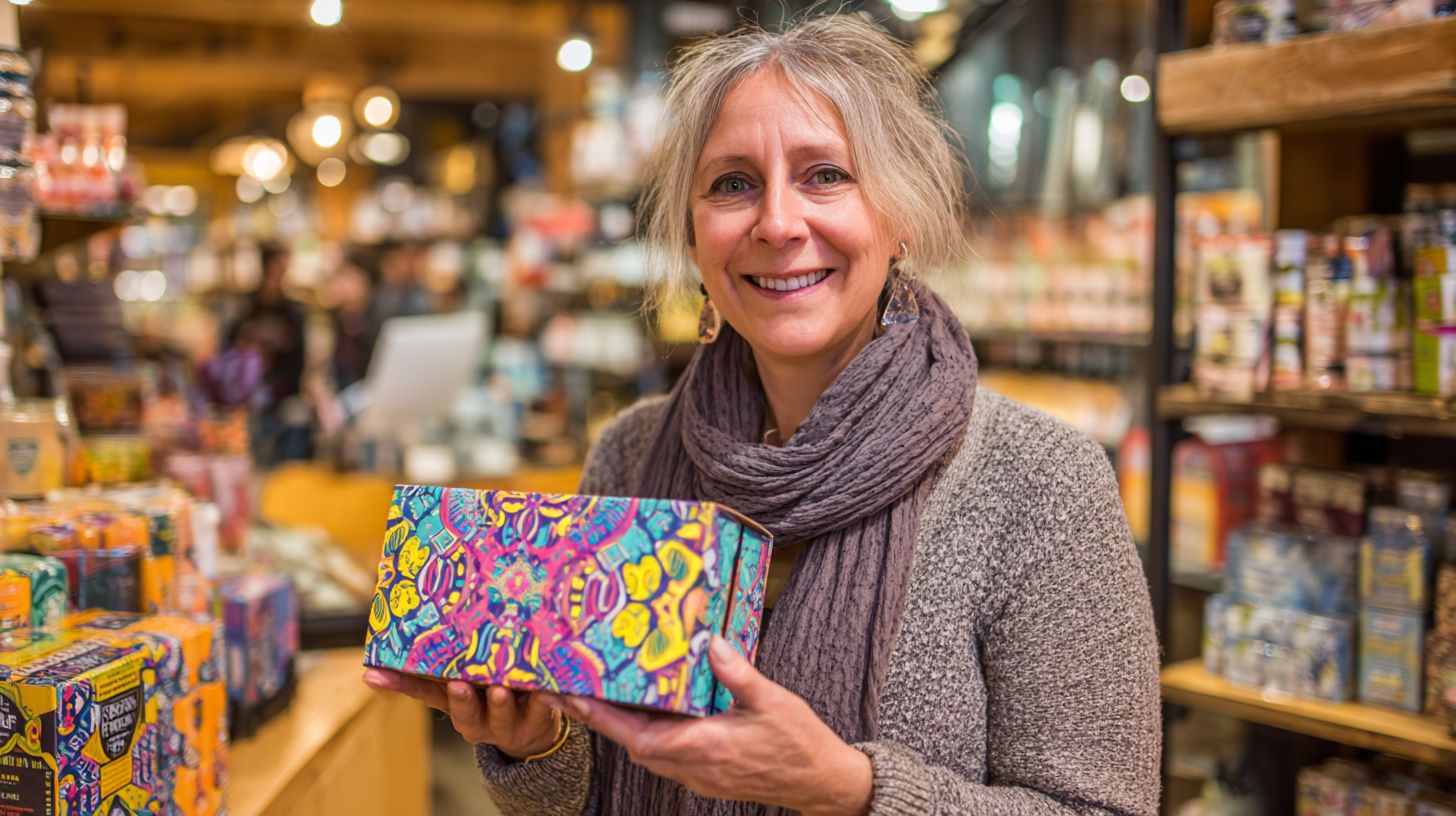
Q: How Do Custom Retail Boxes Influence Customer Perception?
Custom retail boxes significantly shape customer perception by serving as the first tangible interaction with a brand. They convey professionalism, creativity, and attention to detail through unique designs, colors, and branding elements, fostering a positive emotional connection and enhancing the overall brand image from the moment the package arrives.
Q: What Role Does Branding Play in Custom Retail Boxes and Customer Perception?
Branding on custom retail boxes directly influences customer perception by reinforcing brand identity and values. High-quality, personalized packaging with logos, slogans, and thematic elements makes the product feel premium and memorable, leading customers to associate the brand with reliability and exclusivity, ultimately boosting loyalty and word-of-mouth recommendations.
Q: How Can the Design of Custom Retail Boxes Affect Customer Emotions?
The design of custom retail boxes impacts customer emotions by creating an engaging unboxing experience. Eye-catching graphics, textures, and innovative shapes evoke excitement and delight, turning a simple purchase into a memorable event that positively alters perception, making customers feel valued and more likely to share their experience on social media.
Q: In What Ways Do Sustainable Custom Retail Boxes Influence Perception?
Sustainable custom retail boxes influence customer perception by demonstrating a brand’s commitment to environmental responsibility. Using eco-friendly materials like recycled paper or biodegradable inks appeals to conscious consumers, enhancing trust and admiration for the brand’s ethics, which can differentiate it from competitors and improve long-term customer retention.
Q: How Do Custom Retail Boxes Enhance Perceived Product Value?
Custom retail boxes enhance perceived product value by elevating the packaging from generic to tailored, making the item inside seem more luxurious and worthwhile. This packaging strategy tricks the mind into associating higher quality with the investment, influencing customers to view the brand as upscale and justifying premium pricing through a sense of exclusivity.
Q: What Are Common Mistakes in Custom Retail Boxes That Harm Customer Perception?
Common mistakes in custom retail boxes that harm customer perception include poor material quality, mismatched colors, or overly cluttered designs, which can make a brand appear unprofessional or careless. Avoiding these by focusing on durability, simplicity, and alignment with brand aesthetics ensures a positive influence, maintaining trust and encouraging repeat business.
Ready to transform your packaging into a powerful branding tool?
At Aplasticbag.com, we design and manufacture premium custom retail boxes that elevate your product presentation, strengthen brand recognition, and create unforgettable unboxing experiences. Whether you need luxury finishes, eco-friendly materials, or fully customized printing, our packaging experts are here to bring your vision to life.
Don’t let ordinary packaging define your brand.
Order now from Aplasticbag.com and create retail boxes that impress customers, build trust, and drive repeat sales.
📦 Custom Designs
🎨 High-Quality Printing
♻️ Sustainable Options
🚚 Fast Turnaround
Order Now and elevate your retail packaging today!

 Why Are Custom Retail Boxes Important for Building a Strong Brand?
  What Are the Key Considerations When Choosing Retail Boxes?
  How Custom Printed Food Boxes Help Food Brands Stand Out in Competitive Markets
Comments