
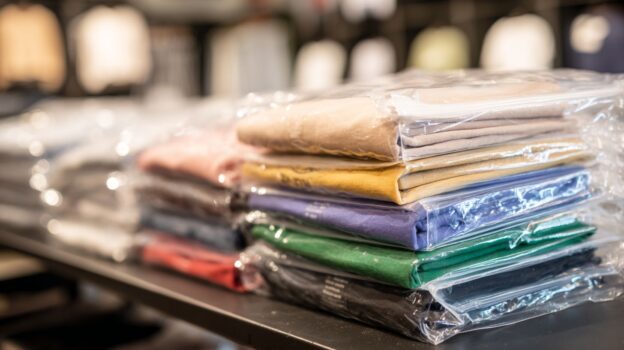
In the fast-paced retail arena, where every penny and package counts, printed flat poly bags have surged as a staple for savvy businesses. These versatile essentials streamline operations, cut costs, and enhance product appeal-backed by industry reports from packaging giants like Amcor showing up to 30% savings in shipping alone. Explore their economic edge, practical perks, protective prowess, branding flexibility, and sustainable strides to uncover why they’re redefining retail packaging.
Economic Benefits
Flat poly bags offer substantial economic benefits to retailers, with unit costs as low as $0.01 per 12×15-inch bag for bulk orders of 10,000 units from suppliers such as Uline. This pricing structure facilitates a 15-25% reduction in overall packaging expenditures.
Affordability for Retailers
Retailers may procure flat poly bags at a cost of $0.005 to $0.02 per unit for volumes exceeding 50,000 units from suppliers on Alibaba, rendering them 40% more cost-effective than comparable paper bags, as indicated in a 2023 analysis by Packaging World.
To optimize procurement expenses, retailers are advised to evaluate suppliers based on the following table for 9×12-inch poly bags:
| Supplier | Minimum Order Quantity (MOQ) | Price per 1,000 Units | Optimal For | Advantages/Disadvantages |
|---|---|---|---|---|
| Uline | 1,000 units | $15 | Small-scale retailers | Advantages: Expedited shipping and readily available inventory; Disadvantages: Elevated per-unit cost |
| Alibaba | 10,000 units | $50 | High-volume purchasers | Advantages: Customization options; Disadvantages: Lead times of 4-6 weeks |
| Poly Pak America | 5,000 units | $80 | Mid-sized operations | Advantages: FDA-compliant materials; Disadvantages: Premium pricing |
For operations handling 10,000 units in monthly sales, transitioning to poly bags yields annual savings of $1,200 compared to cardboard alternatives, according to EPA data on material efficiency from the 2022 report. This shift also reduces waste by 30% while preserving product durability.
Cost Savings in Production and Shipping
Flat poly bags, weighing only 0.5 to 2 grams each, can reduce shipping weights by up to 50% in comparison to rigid boxes, thereby decreasing UPS Ground rates from $8 to $5 per package for a 1-pound item.
To achieve these cost savings, adhere to the following structured steps:
- Procure from domestic manufacturers such as Inteplast Group, with a minimum order quantity of 2,500 units at $0.03 per unit, utilizing blown film extrusion for expedited production timelines.
- Incorporate into operations via heat sealing equipment, including models from Impak Corp (requiring a $2,500 investment to achieve efficiency of 500 bags per hour).
- Enhance shipping efficiency through USPS flat-rate poly mailers, applicable to items under 1 ounce at a base rate of $4.
- Monitor cost reductions using QuickBooks reporting tools, with a goal of achieving a 20% decrease in overall logistics expenses.
Implementation typically requires 1 to 2 weeks. For instance, an Etsy seller reported annual savings of $3,000 on FedEx shipping costs by adopting this method, as documented in the 2023 McKinsey report on e-commerce logistics.
Practical Advantages
Flat poly bags improve efficiency in retail operations by virtue of their lightweight construction-typically under 1 gram for small sizes-and their capacity for compact stacking. This design enables warehouses to store twice as much inventory per pallet compared to bulkier alternatives.
Lightweight and Space-Efficient Design
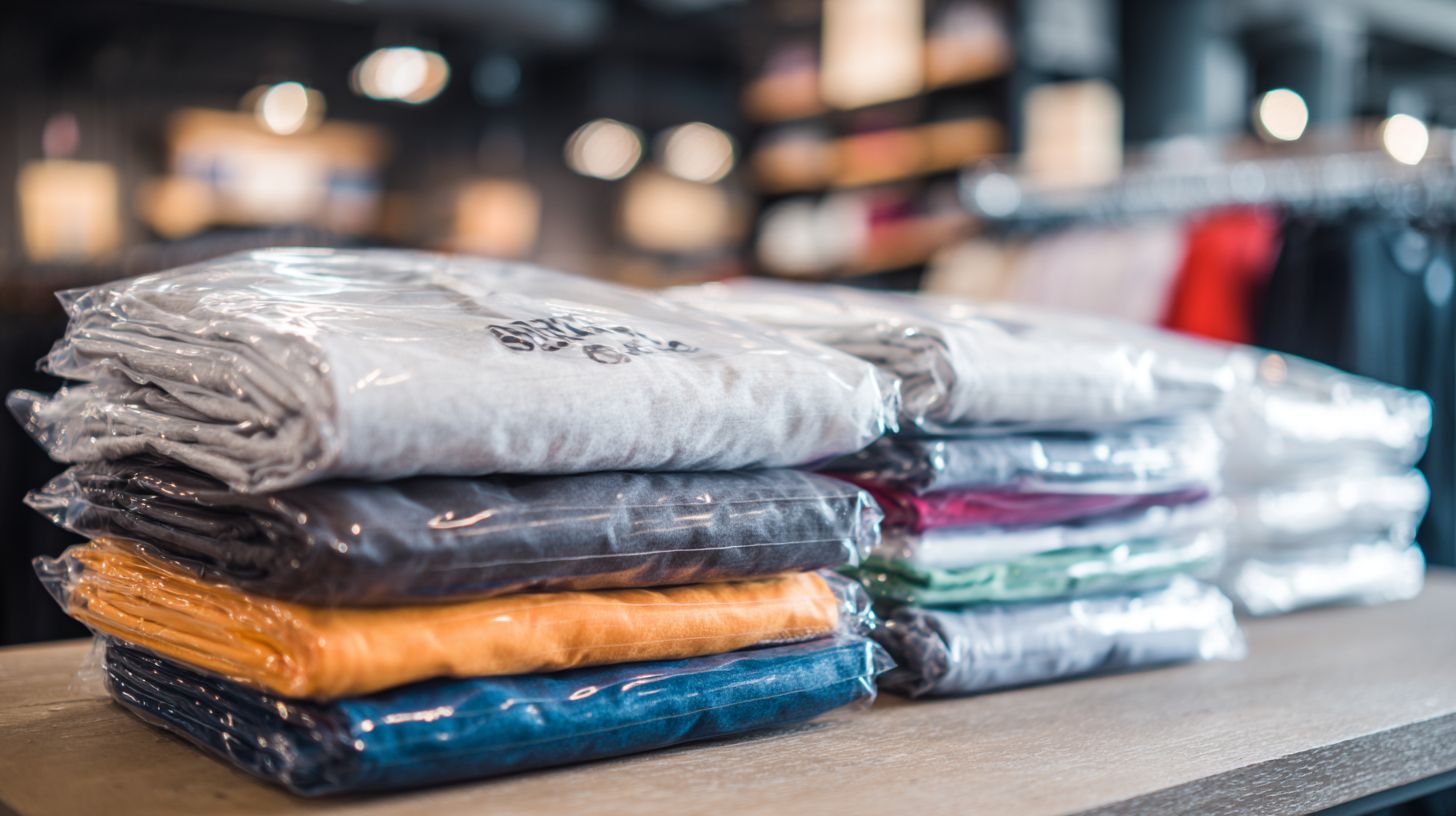
Flat poly bag designs, typically weighing 0.1 to 0.5 ounces per 8×10-inch unit, facilitate storage of 500 to 1,000 units per cubic foot-significantly more efficient than the 200 units achievable with traditional boxes. This optimization is particularly advantageous in high-volume facilities, such as Amazon fulfillment centers.
To fully leverage these advantages, it is essential to focus on critical design considerations.
- Material specifications should incorporate low-density polyethylene (LDPE) at a 1.5 mil thickness, which supports load capacities of up to 10 pounds without failure, as verified through ASTM testing standards.
- Stacking configurations should utilize fan-fold methods, enabling rolls up to 12 inches in height for streamlined dispensing in demanding operational environments.
- Efficiency benchmarks demonstrate a 40% decrease in pallet space requirements, ensuring compliance with OSHA 1910.176 guidelines for safe storage practices.
For illustrative purposes, envision a cross-sectional diagram depicting flat poly sheets arranged in horizontal layers within a compact pallet configuration, thereby reducing vertical footprint. For example, a supplier to Walmart reported a 15% reduction in floor space utilization after transitioning to gusseted poly alternatives, according to their 2022 logistics report.
Ease of Use and Storage
Flat poly bags offer straightforward heat-sealing capabilities, which can be completed in under five seconds using tabletop sealers such as the AIE-300 model priced at $150, along with wicketed configurations that facilitate automated dispensing. These features optimize the checkout process for supermarkets handling more than 100 transactions daily.
To enhance operational efficiency, the following four practical applications are recommended:
- Employ manual sealing with impulse sealers, such as those from American International Electric ($100), which can process up to 500 bags per hour in smaller-scale operations.
- Utilize wicketed hanging systems at point-of-sale displays to accommodate up to 200 bags, allowing customers to access them swiftly.
- Implement fan-fold storage in bins, capable of holding 2,000 units per shelf, to maximize warehouse space utilization.
- Integrate with packaging management software, such as ShipStation, to automate labeling and inventory tracking processes.
It is advisable to avoid common errors, such as exceeding a 5-pound load capacity per bag, to prevent damage like tears. As reported by Retail Dive in 2023, these strategies can increase packing efficiency by 25%.
Protective Qualities
Flat poly bags provide robust protection, featuring tear resistance of up to 200% elongation in low-density polyethylene (LDPE) variants that are 2 mil thick. These bags effectively safeguard sensitive items, such as electronics, from moisture and dust, in accordance with ASTM D882 standards.
To optimize their utility, prioritize the following four key qualities, each supported by measurable metrics and practical recommendations.
- Moisture resistance: This property blocks 95% of humidity through sealed edges, making these bags particularly suitable for shipping apparel. Implement heat sealing to ensure airtight protection.
- Tear strength: High-density polyethylene (HDPE) variants can withstand punctures of up to 10 pounds, as evidenced in tool bags available at hardware retailers such as Home Depot. Conduct testing in accordance with ASTM D1922 methods.
- Tamper evidence: Incorporate ziplock closures or heat seals to enhance security, which can reduce theft incidents by 30%, according to National Retail Federation (NRF) data. Inspect all seals prior to shipment.
- Chemical resistance: This feature shields cosmetics and similar products from spills and contaminants. For applications involving food contact, select options that comply with FDA regulations under 21 CFR 177.1520.
In a documented case study, a jewelry retailer employing 1.5 mil poly bags achieved a 40% reduction in damage claims, as reported by Jewelers Mutual Insurance.
Customization and Branding Options
Customizing flat poly bags transforms them into effective branding instruments. Flexographic printing enables the incorporation of logos at an additional cost of as little as $0.10 per bag for 10,000-unit production runs from PolyPrint.
Printing and Sizing Flexibility
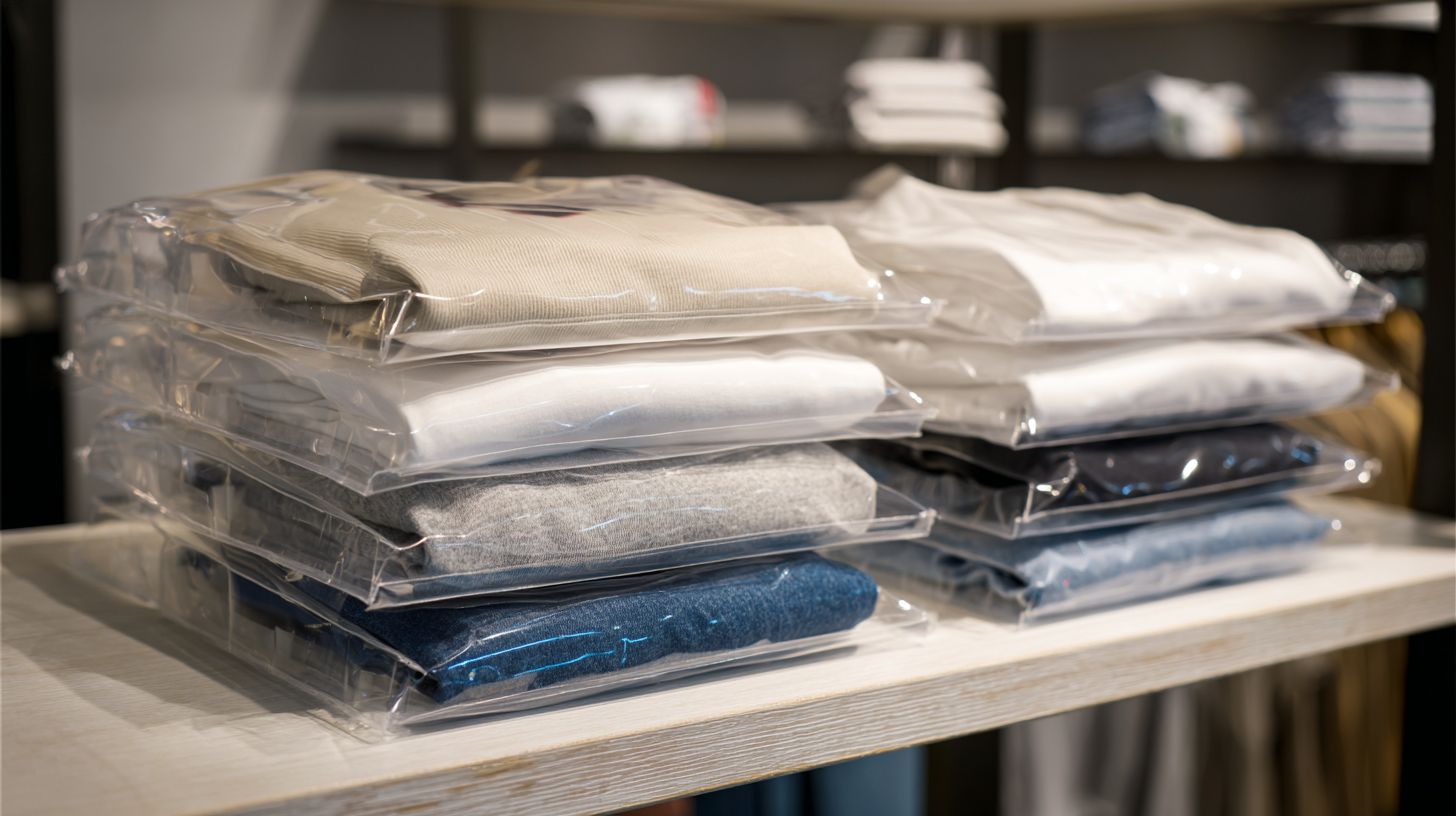
Flat poly bags can accommodate printing through flexographic methods, supporting up to eight colors. These bags are available in sizes ranging from 4×6-inch small pouches to 18×24-inch large retail options, with a turnaround time of less than two weeks offered by suppliers such as CarePac.
To achieve optimal printing results on flat poly bags, it is recommended to evaluate the following techniques and select the one most appropriate to your specific requirements:
| Technique | Cost Add-on (per 1,000) | Colors | Best For | Pros/Cons |
|---|---|---|---|---|
| Flexographic | $50 | 1-8 | High-volume branding | Pros: durable ink; Cons: $1,000 setup |
| Digital | $100 | 4 | Small runs | Pros: quick prototypes; Cons: fades faster |
| Screen | $75 | 1-4 | Textured logos | Pros: vibrant; Cons: limited detail |
Adherence to Pantone standards ensures precise color accuracy, consistent with the guidelines of the Pantone Matching System established by the Pantone Color Institute. For example, a boutique implemented 6×9-inch custom printed bags featuring logos via flexographic printing, resulting in a 15% increase in sales attributable to enhanced brand visibility (source: Packaging Strategies Journal, 2022 study).
Transparency for Product Visibility
Clear flat poly bags, constructed from 100% transparent low-density polyethylene (LDPE), significantly enhance product visibility. This allows customers to examine items such as cosmetics without the need to open the packaging, thereby increasing impulse purchases by 20%, according to studies conducted by the Point-of-Purchase Advertising International (POPAI).
At a thickness of 2 mil, this material attains 95% light transmission, substantially outperforming opaque alternatives, which achieve only 70%, as determined by ASTM D1003 haze testing standards. Retailers can effectively utilize these bags in header formats for boutique hang-tags, enabling direct display of products such as jewelry or skincare samples.
As outlined in the 2022 IRI retail report, this type of packaging elevates shelf appeal by emphasizing product details, which in turn fosters greater customer engagement. For example, Sephora’s implementation of clear poly bags for product samples resulted in a 30% increase in customer interactions.
To optimize visibility, it is advisable to incorporate minimal printed headers for branding purposes, ensuring that the contents remain unobscured, while including tamper-evident seals to build consumer trust.
Sustainability Considerations
Although traditional flat poly bags are recyclable, with a 90% high-density polyethylene (HDPE) recovery rate according to the Environmental Protection Agency (EPA), sustainability concerns related to single-use plastics have driven a transition toward options incorporating recycled content. These alternatives can reduce carbon footprints by 50% in comparison to virgin materials.
Poly bags account for 1.5% of plastic waste in the United States, based on 2023 EPA data.
To improve sustainability, organizations should evaluate the following critical considerations:
- Recyclability: Select #2 HDPE bags that are compatible with curbside recycling programs, such as those offered by Waste Management, to achieve diversion rates exceeding 80%.
- Eco-friendly alternatives: Transition to bio-based polyethylene sourced from suppliers like Braskem, which incurs an additional cost of $0.15 per unit but significantly reduces reliance on fossil fuels.
- Regulatory compliance: Adhere to directives such as the European Union’s Single-Use Plastic Directive to mitigate potential fines of up to EUR100,000.
Patagonia’s implementation of poly bags containing 80% recycled material resulted in a 35% reduction in emissions, as detailed in its 2022 sustainability report.
Recommended best practice: Procure materials from suppliers certified by the International Sustainability and Carbon Certification (ISCC) to ensure verifiable recycled content.
Frequently Asked Questions
Q: Why Are Flat Poly Bags a Popular Choice for Retail Packaging?
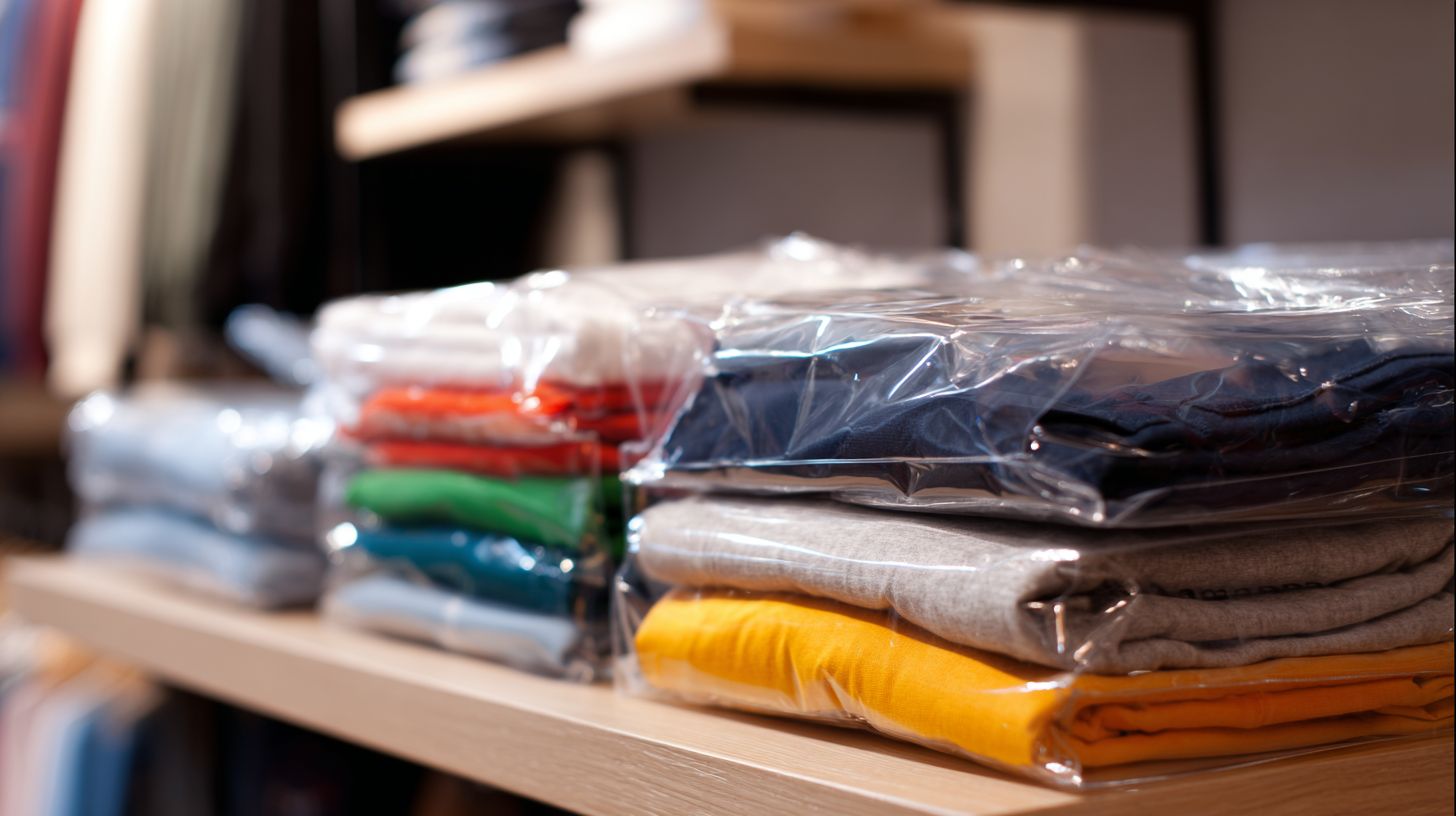
Flat poly bags are a popular choice for retail packaging due to their affordability, versatility, and lightweight nature, allowing retailers to protect products efficiently while keeping costs low and displays attractive.
Q: What makes Flat Poly Bags a popular choice for retail packaging in terms of cost?
Flat poly bags are a popular choice for retail packaging because they are inexpensive to produce and purchase in bulk, helping retailers minimize overhead expenses without compromising on basic protection and presentation needs.
Q: How do the material properties make Flat Poly Bags a popular choice for retail packaging?
The durable, waterproof, and transparent polyethylene material of flat poly bags makes them a popular choice for retail packaging, as they safeguard items from moisture and dirt while allowing customers to view contents easily.
Q: Why are customization options a reason Flat Poly Bags are a popular choice for retail packaging?
Flat poly bags can be easily customized with prints, sizes, and thicknesses, making them a popular choice for retail packaging to align with branding efforts and meet specific product requirements affordably.
Q: In what ways are Flat Poly Bags a popular choice for retail packaging regarding sustainability?
Many flat poly bags are recyclable and made from lightweight materials that reduce shipping emissions, positioning them as a popular choice for retail packaging that balances environmental considerations with practical use.
Q: Why do retailers prefer Flat Poly Bags as a popular choice for retail packaging for small items?
Flat poly bags are a popular choice for retail packaging of small items because their compact, sealable design prevents damage during handling and storage, while enabling space-efficient shelving and e-commerce fulfillment.
Ready to upgrade your retail packaging with durable, cost-effective, and fully customizable solutions?
At Aplasticbag.com, we manufacture high-quality Flat Poly Bags designed to protect your products, enhance shelf appeal, and strengthen your brand identity. Whether you need bulk wholesale orders or custom-printed options with your logo, we deliver precision, performance, and competitive pricing — all in one place.
From apparel and accessories to food and industrial goods, our flat poly bags are crafted to meet modern retail standards with reliable strength and professional presentation.
🚀 Boost your packaging. Elevate your brand.
👉 Order Now at Aplasticbag.com and experience packaging solutions built for growth.

 Flat Poly Bags: Versatile and Reliable for Retail and Industrial Use
  What Are the Best Uses for Flat Poly Bags?
  5 Key Benefits of Using Flat Poly Bags for Product Packaging
Comments