

Shrink wrapping has become one of the most reliable and professional methods for protecting boats during storage or off-season downtime. Whether you own a small fishing boat or a large recreational vessel, proper protection is essential to preserving its condition, appearance, and value. This detailed guide explains why shrink wrapping works, how to do it correctly, and what steps you should follow to achieve long-lasting results.
Why Shrink Wrapping Your Boat Is Essential
Boat owners often underestimate the damage that harsh environmental conditions can cause over time. Rainwater intrusion, snow buildup, ice formation, and prolonged sun exposure can all degrade upholstery, electronics, paint, and structural components. Shrink wrapping creates a durable barrier that shields your boat from these elements, making it one of the most dependable storage solutions available.
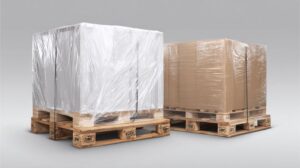
Unlike traditional tarps, shrink wrap forms a tight, custom-fit seal around the vessel. It does not flap in the wind, collapse under heavy snow, or allow water pooling. Because the material is designed to shrink when heat is applied, it contours perfectly to your boat’s shape and stays securely in place throughout the storage period.
Another advantage is ventilation control. With proper vent installation, shrink wrap allows airflow while still keeping moisture and debris out. This balance significantly reduces the risk of mold, mildew, and corrosion inside the boat.
How Shrink Wrap Works
Shrink wrap is made from high-quality polyethylene that tightens when heated. Once applied and shrunk, it forms a rigid shell that protects against weather, UV rays, and airborne contaminants. The controlled shrinking process ensures a smooth, wrinkle-free finish that looks professional and performs consistently.
Many marine professionals prefer shrink wrapping because it offers predictable performance and durability compared to ropes and tarps. With correct installation, the wrap remains intact for months without sagging or tearing.
Is There a Downside to Shrink Wrapping?
The most common concern among boat owners is cost. Shrink wrapping typically costs more upfront than covering a boat with a tarp. However, when weighed against potential repair expenses caused by water damage, UV fading, or interior deterioration, shrink wrapping proves to be a cost-effective investment.
By preventing long-term damage, shrink wrapping can save thousands in repair and restoration costs. It also reduces maintenance time when preparing the boat for the next season, allowing you to get back on the water faster.
Step-by-Step Guide: Shrink Wrapping a Boat for Storage
Below is a comprehensive process inspired by industry best practices to help you shrink wrap your boat safely and effectively.
Before Installing the Shrink Wrap
Preparation is critical for a successful shrink wrap installation. Start by locating and taping over fuel vents. If you are unsure where these vents are located, consult your boat dealer or manufacturer.
Next, inspect the entire boat for sharp edges, corners, or protruding hardware. Pad these areas using foam padding, protective tape, or extra wrap material. This step prevents punctures during shrinking and storage.
Ensure the shrink wrap film does not drag on the ground. Dirt and dust can cling to the material due to static electricity, which may interfere with proper heat welding and sealing.
Shrinking the Wrap
Once the film is draped over the boat and the perimeter band has been heat-welded, install belly bands immediately. These straps help remove excess slack and ensure the wrap tightens evenly when heated.
Begin shrinking by sealing all pleats, including those at the bow and stern. Always start applying heat at the bottom edge of the cover near one end of the boat, never in the middle. Move the heat gun slowly, guiding it as if spray painting, working toward the opposite end and up to the rub rail.
Heat naturally rises, so starting from the bottom allows for faster and more controlled shrinking. Once the sides are tight, move to the top. Avoid excessive heat on corners and sharp areas to maintain material thickness and strength.
Hole Inspection and Repairs
After shrinking is complete, carefully inspect the entire cover for burn marks, punctures, or weak spots. Even a small hole can allow moisture and debris inside, reducing the effectiveness of the wrap.
To repair damage, use shrink wrap tape made from compatible materials. Apply the tape firmly, rubbing it to eliminate air bubbles and activate the adhesive. Lightly warming the tape improves adhesion and ensures a secure seal.
Installing Vents and Access Doors
Vents and access doors should be installed only after the wrap is fully shrunk. These components are not heated onto the wrap. Self-adhesive vents must be hand-warmed and pressed firmly to create a complete seal.
Access doors are attached using shrink wrap tape. Once secured, unzip the door and carefully cut an opening beneath the zipper. This allows easy access without compromising protection.
Best Practices for Long-Term Boat Storage
Always store your shrink-wrapped boat in a location that minimizes exposure to extreme conditions when possible. Periodically inspect the wrap throughout the storage period to ensure it remains intact and properly sealed.
Proper installation, quality materials, and careful inspection all contribute to successful shrink wrapping. When done correctly, your boat will emerge from storage clean, dry, and ready for use.
Frequently Asked Questions (FAQ)
Q: What are Shrink Bags and how are they used in marine storage?
Shrink Bags are commonly used for smaller marine components such as cushions, sails, hardware, and accessories that need protection during storage. They provide a tight seal that shields items from moisture, dust, and UV exposure, making them ideal for organizing and safeguarding boat equipment during the off-season.
Q: Why are Shrink Film Rolls important for boat shrink wrapping?
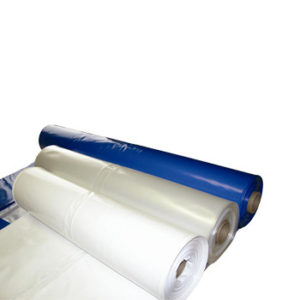
Shrink Film Rolls are the primary material used to cover and protect boats of various sizes. These rolls allow installers to cut the exact amount needed, ensuring full coverage and minimal waste. High-quality film rolls provide consistent shrinking performance and long-lasting durability in harsh storage conditions.
Q: When should Shrink Wrap Tape be used during installation?
Shrink Wrap Tape is essential for sealing seams, reinforcing stress points, and repairing minor holes or weak areas in the wrap. It is designed to bond seamlessly with shrink film, ensuring airtight repairs that maintain the integrity of the protective barrier throughout storage.
Q: What does Shrink Bags, Film, Rolls and Equipment include?
Shrink Bags, Film, Rolls and Equipment typically refer to the complete range of materials and tools required for professional shrink wrapping. This includes film rolls, heat guns, tapes, vents, straps, and protective padding, all of which contribute to a safe, efficient, and reliable wrapping process.
Q: How do Plastic Bags differ from shrink wrap materials?
Plastic Bags are generally used for lightweight packaging and short-term storage, while shrink wrap materials are engineered for heavy-duty, long-term protection. Shrink wrap provides a tighter seal, greater durability, and superior resistance to environmental damage compared to standard plastic bags.
Final Thoughts
Shrink wrapping your boat is a proven method for preserving its condition, reducing maintenance costs, and extending its lifespan. By following proper preparation, installation, and inspection steps, you can ensure your vessel remains protected through any storage season.
For additional professional guides and expert tips, explore trusted marine shrink wrap resources and stay informed on best practices for boat care and storage.
Protect your boat with premium shrink wrap solutions from aplasticbag.com. Our durable, weather-resistant shrink wrap helps safeguard your vessel from harsh sun, rain, dust, and debris keeping it in top condition season after season. Whether you need custom sizes or bulk quantities, we make ordering simple and reliable.
Order now from aplasticbag.com and get high-quality shrink wrap delivered to your doorstep, so you can wrap with confidence and enjoy complete peace of mind.

 How Custom Printed Polyethylene Bags Help Businesses Build Stronger Brand Identity
  The Complete Guide to Custom Printed Shrink Bags for Modern Product Packaging
  Benefits of Using Poly Bags for Your Business
Comments