

Polymer bags play a critical role in modern packaging across retail, logistics, manufacturing, and food industries. Their durability, flexibility, and cost-effectiveness make them one of the most widely used packaging solutions worldwide. From lightweight shopping bags to heavy-duty industrial packaging, polymer bags are designed to meet diverse business needs.
Understanding the different types of polymer bags available helps businesses select the right packaging solution while balancing performance, sustainability, and cost efficiency. This guide explores the most common polymer bag materials, their uses, recycling options, and how bulk purchasing benefits businesses.
Understanding Polymer Bags
Polymer bags are packaging products made from synthetic materials derived from polymers such as polyethylene, polypropylene, or biodegradable compounds. These materials are engineered to provide strength, moisture resistance, flexibility, and lightweight handling.
Because polymer materials can be customized in thickness, size, and durability, they are used in industries ranging from retail packaging to industrial shipping.
Polyethylene (PE) and Polypropylene (PP) Bags
Two of the most common materials used in polymer bag production are polyethylene (PE) and polypropylene (PP). Each offers unique advantages depending on the application.
Polyethylene bags are flexible, lightweight, and moisture-resistant. They are commonly used for grocery packaging, protective coverings, storage bags, and product packaging. Low-density polyethylene (LDPE) provides flexibility, while high-density polyethylene (HDPE) offers greater strength.
Polypropylene bags, on the other hand, are more rigid and heat-resistant. These bags are often used in packaging applications requiring durability, such as food storage, textiles, and hardware packaging. Their clarity and strength make them ideal for displaying products while maintaining protection.
Both PE and PP bags are reliable packaging solutions widely used across industries due to their cost efficiency and adaptability.
Biodegradable Polymer Bags
As environmental awareness continues to grow, biodegradable polymer bags are becoming increasingly popular. These bags are designed to break down naturally through microbial activity, reducing long-term environmental impact.
Biodegradable polymers may be made from renewable resources such as starch blends, cellulose fibers, or plant-based materials. Some are compostable under proper conditions, making them a practical option for businesses seeking sustainable packaging alternatives.
While biodegradable polymer bags may cost slightly more than traditional plastic bags, they help companies align with eco-friendly practices and sustainability goals.
Reusable Polymer Bags
Reusable polymer bags provide a durable alternative to single-use packaging. Made from thicker polymer materials such as reinforced LDPE or HDPE, these bags can withstand repeated use without tearing or losing shape.
Retailers, grocery stores, and warehouses often use reusable polymer bags to reduce waste while maintaining packaging performance. Their durability makes them suitable for transporting heavier items or products requiring additional protection.
Reusable bags also help businesses reduce packaging costs over time by minimizing the need for frequent replacements.
Recycling Polymer Bags
One of the most common questions businesses ask is whether polymer bags can be recycled. The answer is yes — most PE and PP bags are recyclable when properly collected and sorted.
Recycling programs often require clean, dry bags free of food residue or contaminants. Many retail stores and recycling facilities provide designated collection points for plastic bags and film materials.
By recycling polymer bags, businesses contribute to reducing landfill waste and promoting responsible material reuse. Recycling also helps conserve resources by reintroducing plastic materials into manufacturing cycles.
Benefits of Buying Polymer Bags in Bulk
Purchasing polymer bags in bulk offers several advantages for businesses of all sizes. Bulk purchasing reduces per-unit cost, ensures consistent supply, and allows customization options such as printing, sizing, and thickness selection.
Bulk orders also simplify inventory management by ensuring packaging materials are always available when needed. Businesses that rely heavily on packaging benefit significantly from wholesale purchasing strategies.
Working with a trusted Poly Bags Manufacturer ensures consistent quality, reliable delivery timelines, and access to expert guidance when selecting packaging materials.
Choosing the Right Polymer Bag
Selecting the right polymer bag depends on several factors, including product weight, storage conditions, environmental considerations, and transportation requirements.
For lightweight retail packaging, flexible PE bags are often sufficient. Industrial applications may require thicker materials with puncture resistance. Businesses focusing on sustainability may prefer biodegradable or reusable options.
Understanding packaging requirements helps businesses balance performance, cost, and environmental responsibility.
Industrial and Retail Applications
Polymer bags serve a wide range of applications across industries. Retail stores use them for shopping bags and product packaging, while warehouses rely on them for protective storage and shipping.
Food packaging companies use polymer bags because of their moisture resistance and ability to maintain product freshness. Manufacturers depend on them for component storage and transportation.
Among the most commonly used packaging options are Flat Poly Bags, which provide simple, reliable protection for products during storage and distribution.
For heavier packaging requirements, Tuf-R Poly Bags offer enhanced strength and durability, making them suitable for industrial environments where puncture resistance is essential.
Businesses seeking cost-effective packaging solutions often look for Poly Bags at Wholesale Prices to maintain supply efficiency while reducing operational expenses.
The Future of Polymer Bag Packaging
Packaging innovation continues to evolve as manufacturers develop stronger, lighter, and more sustainable polymer materials. Advances in recycling technology and biodegradable polymers are helping reduce environmental impact while maintaining packaging performance.
Businesses that stay informed about packaging materials can make better decisions that support both operational efficiency and sustainability goals.
Polymer bags remain one of the most adaptable packaging solutions available today, capable of serving industries ranging from retail to heavy manufacturing.
Frequently Asked Questions (FAQ)
Q: What are polymer bags made from?
Polymer bags are typically made from synthetic materials such as polyethylene, polypropylene, or biodegradable polymer blends. These materials are engineered to provide flexibility, strength, and moisture resistance for packaging applications across multiple industries.
Q: Are polymer bags environmentally friendly?
Some polymer bags are recyclable, reusable, or biodegradable depending on the material used. Businesses can reduce environmental impact by choosing recyclable materials, reusing packaging, and partnering with responsible recycling facilities.
Q: What type of polymer bag is best for packaging products?
The best polymer bag depends on the product being packaged. Lightweight items may require flexible plastic bags, while heavier products need thicker materials designed for durability and protection during storage or shipping.
Q: Why do businesses buy polymer bags in bulk?
Buying polymer bags in bulk reduces costs, ensures consistent supply, and allows businesses to customize packaging according to their branding and operational needs. Wholesale purchasing is especially useful for companies that ship products regularly.
Q: Where can businesses find reliable polymer bag suppliers?
Businesses should look for experienced packaging providers that offer a wide range of materials, sizes, and customization options. A reliable supplier can help companies select packaging solutions that balance cost, durability, and sustainability.
Upgrade your packaging with durable, customizable polymer bags designed to protect your products and elevate your brand. At aplasticbag.com, you’ll find high-quality packaging solutions tailored to your business needs – from retail and shipping to industrial use. Our team is ready to help you choose the right materials, sizes, and printing options to make your packaging stand out.
Order now from aplasticbag.com and get reliable polymer bag solutions that combine strength, efficiency, and professional presentation for your business.

 Top Benefits of Custom Poly Bubble Mailers for Secure and Cost-Effective Shipping
 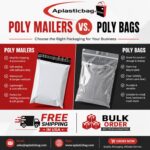 Poly Mailers vs. Poly Bags: Which One Should You Choose for Shipping, Packaging & Branding?
 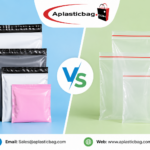 Poly Mailers vs. Poly Bags: Key Differences, Benefits & Best Uses for Retail and Ecommerce
Comments