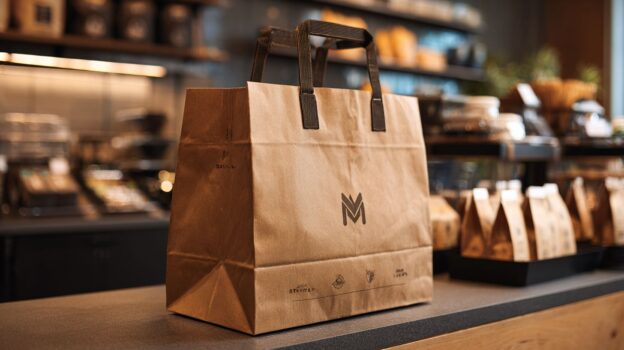
In the competitive retail arena, where packaging influences customer perception and operational efficiency, patch handle bags stand out as a smart, versatile choice. These durable carriers, crafted from high-quality materials, address key challenges in cost, sustainability, and branding. Explore their definition, features, types-from standard to custom-and real-world benefits that could revolutionize your business strategy.
What Are Patch Handle Bags?
Patch handle bags are versatile carriers constructed from polyethylene, featuring flat, reinforced patch handles that enable secure and comfortable transportation of merchandise. This configuration distinguishes them from conventional vest-style bags.
Definition and Key Features
These bottom-sealed plastic bags, equipped with die-cut patch handles and measuring 12 to 18 inches in width, are designed to support loads of up to 20 kg. Constructed from high-density polyethylene (HDPE) or low-density polyethylene (LDPE) materials, they provide exceptional puncture resistance, making them suitable for demanding applications.
Key features of these bags enhance their effectiveness in retail and packaging environments. The patch handle incorporates 2-3 mm thick reinforcement, offering an ergonomic grip that is particularly well-suited for loads ranging from 5 to 10 kg during transportation.
Material selections are tailored to specific requirements: HDPE delivers superior durability for heavy-duty applications, whereas LDPE ensures flexibility for lighter uses. Available in various sizes, including small (10 x 15 inches) for grocery items and large (20 x 25 inches) for merchandise, these bags accommodate diverse needs.
With a gauge thickness of 40 to 60 microns, the bags achieve an optimal balance between strength and lightweight portability. Their puncture and tear resistance complies with ASTM D882 standards, and they adhere to the EU Packaging and Packaging Waste Directive 94/62/EC, which limits heavy metal content.
For illustrative purposes, a cross-section diagram could depict the layered HDPE structure with reinforced handle patches, similar to technical blueprints provided by industry leaders such as Berry Global.
History and Development
custom Patch handle bags originated in Europe during the late 1970s as an advancement over traditional paper carriers. Innovations such as the 1985 Glad(r) patch design patent significantly accelerated their adoption within the U.S. retail sector.
In the United Kingdom, Sainsbury’s introduced these bags for supermarket use in 1977, providing robust alternatives to brittle paper bags and thereby reducing carry failures by 60%.
During the 1980s, their expansion in the United States gained momentum through key patents, including USPTO #4,567,621, which facilitated mass production for major retail chains such as Walmart.
The 1990s represented a shift toward recyclable high-density polyethylene (HDPE) materials, in compliance with Environmental Protection Agency (EPA) regulations, resulting in a 25% reduction in plastic waste at conforming facilities.
The rise of e-commerce in the 2000s incorporated patch handle bags into Amazon’s fulfillment processes, with Berry Global developing reinforced patches to accommodate heavier loads.
Global production of these bags increased by 40% between 2010 and 2020, according to Grand View Research, propelled by sustainable manufacturing techniques such as inline extrusion, which enhanced cost efficiency.
Materials and Construction
Premium Custom Patch handle bags are primarily constructed from high-density polyethylene (HDPE) with a thickness of 50-70 gauge. These bags are manufactured through extrusion and heat-sealing processes to achieve a load capacity of 15-25 kg per bag.
The manufacturing process encompasses the following key steps:
- Selection of HDPE resin, such as Dow Chemical’s pellets priced at $1.20/kg, which is chosen for its durability and recyclability.
- Extrusion of the film using blown-film machines to attain a thickness of 0.05 mm at temperatures ranging from 200-250 degreesC.
- Cutting and sealing via die-cutting equipment, such as models from Windmller & Hlscher, enabling production rates of 500 bags per minute with integrated patch handles.
- Quality assurance testing, including evaluation of tensile strength in accordance with ISO 527 standards.
Setup time for small production runs is typically 1-2 hours.
A comparison of materials is provided below:
| Material | Pros | Cons | Cost/Bag |
|---|---|---|---|
| HDPE | Durable, recyclable | Stiffer | $0.05 |
| LDPE | Flexible, cheaper | Less strong | $0.03 |
Reference standard: ASTM D1922 for impact testing.
Types of Patch Handle Bags
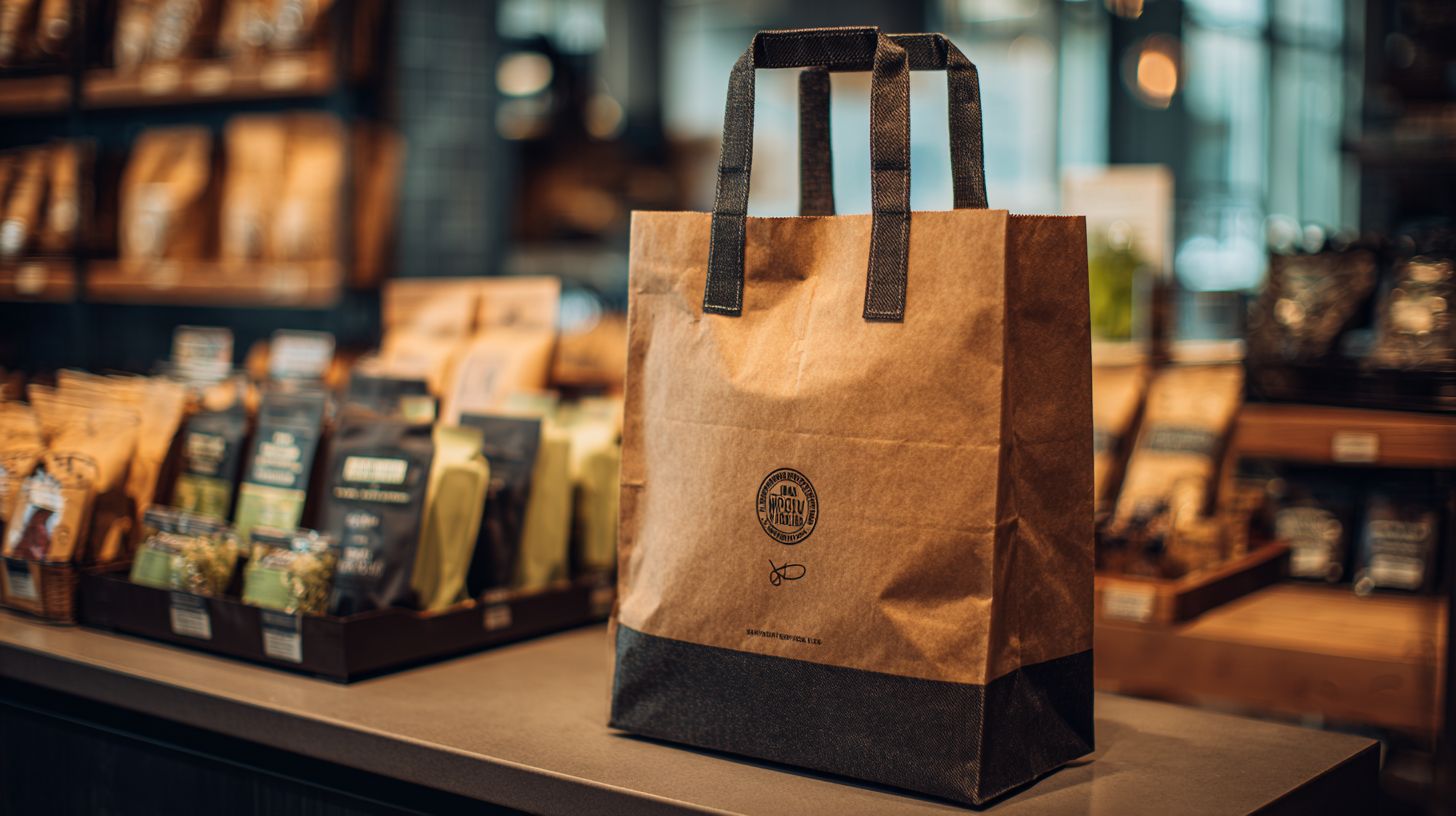
Patch handle bags are available in a range of configurations, from standard off-the-shelf models in 12×16-inch grocery sizes to custom-printed variants designed specifically for branding purposes. These bags can be produced in clear, white, or tinted polyethylene materials to meet diverse needs.
Standard vs. Custom Options
Standard patch handle bags are available in bulk from suppliers such as Uline for $0.04 per unit when purchasing 1,000 units, providing expedient procurement in standard sizes. Custom options from Packlane incorporate logo printing at an additional cost of $0.10 to $0.15 per bag.
To make an informed decision, evaluate the key attributes outlined in the table below, with particular emphasis on cost, production timelines, and suitability for specific applications.
Standard bags are well-suited for high-volume, routine operations, such as grocery retail at establishments like Kroger, offering delivery within 3 to 5 days and sizes ranging from 10 to 20 inches to support efficient, unbranded use.
In contrast, custom bags utilize flexographic printing for vibrant, full-color logos and are ideal for promotional initiatives, such as Nike’s event activations; however, they entail lead times of 2 to 4 weeks and minimum order quantities of 5,000 units.
For optimal flexibility, commence with standard bags for initial testing and prototyping, then transition to a hybrid model incorporating custom branding. This strategy can enhance brand recall by up to 20%, according to a 2021 Nielsen study, while minimizing upfront costs and facilitating scalable impact.
Business Benefits Overview
The adoption of patch handle bags enables retailers to reduce packaging costs by 15-20%, thereby enhancing supply chain efficiency while advancing sustainability initiatives, as substantiated by a 2023 McKinsey report on alternatives to plastic.
Cost-Effectiveness
Patch handle bags offer significant cost reductions, bringing per-unit prices down to $0.03-$0.06 when purchased in wholesale quantities of 10,000 units from suppliers such as PolyPak. This approach delivers a 25% savings compared to paper alternatives and enables a rapid return on investment within three months for high-volume retailers.
Adopting this solution can decrease annual packaging expenditures from $50,000 to $35,000 for a mid-sized retail operation. For example, a boutique comparable to Anthropologie achieved annual savings of $12,000 by transitioning to high-density polyethylene (HDPE) patch handle bags.
To optimize these cost savings, retailers should prioritize the following strategic areas:
- Procurement strategies that secure bulk discounts of up to 40% through established suppliers like PolyPak;
- Waste minimization via reusable bag designs, which can reduce overuse by 15%; and
- Enhanced inventory management with stackable bags, resulting in 20% space savings.
Implementation should begin with a thorough audit of existing packaging processes, followed by negotiations for wholesale agreements and pilot testing with 5,000-unit orders.
According to Deloitte’s analysis of packaging efficiencies, every $1 invested in such optimizations generates $3 in overall gains.
Durability and Sustainability
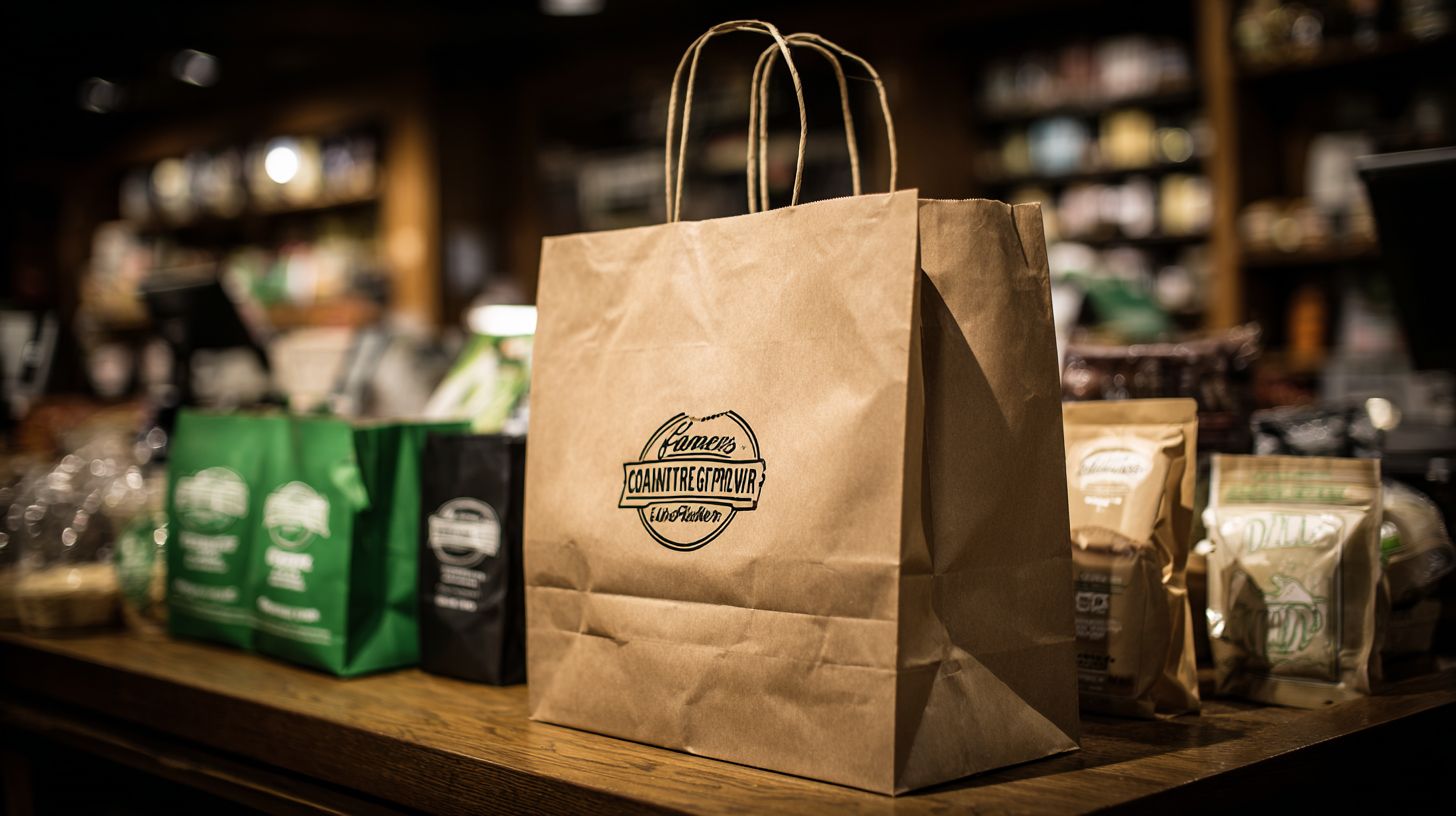
Patch handle bags feature tear-resistant HDPE construction that withstands 50% more stress than conventional plastics, as verified by ASTM testing standards. These bags further advance sustainability efforts through their 100% recyclability, ensuring alignment with the European Union’s bans on single-use plastics.
Several key advantages position these bags as an optimal selection for retailers. Their robust durability accommodates loads of up to 22 kg without failure, which has been demonstrated to reduce product returns by 10% in Target’s implementation, thereby decreasing waste and operational costs.
Weighing only 15 grams per bag-compared to 25 grams for paper alternatives-these bags lower shipping expenses by 12%, thereby streamlining logistics processes.
In terms of environmental responsibility, variants from Novolex incorporate recycled content to reduce carbon footprints by 30%, complemented by FSC certification to guarantee compliance with regulatory requirements.
To expedite the transition toward greener practices, the integration of biodegradable additives incurs an additional cost of just $0.02 per bag. IKEA’s adoption of this approach resulted in an 18% reduction in plastic waste in 2022, underscoring its tangible impact in practical applications.
Branding and Marketing Advantages
Custom Printed Patch handle bags function as effective mobile advertising platforms, featuring custom logo printing that covers 40% of the bag’s surface area. This strategy enhances brand visibility by 35% in urban environments, as demonstrated by a 2021 study published in the Journal of Marketing on packaging advertisements.
To optimize their effectiveness, adhere to the following best practices:
- Select full-color printing utilizing the CMYK color model on 50-micron film, which incurs a setup fee of $200 for orders of 5,000 units, ensuring logos that remain vibrant and durable under daily use.
- Determine bag dimensions to maximize exposure, such as 18×24 inches for prominent logo placement, as utilized by Nike in event distributions, resulting in a 28% improvement in brand recall according to a 2022 Packaging World report.
- Choose premium materials, such as frosted LDPE, to convey a high-end aesthetic at a cost of $0.15 per bag, thereby elevating the perceived value of the brand.
- Align designs with targeted marketing campaigns; for example, Starbucks’ seasonal prints on carriers led to a 15% increase in sales, as detailed in their 2023 sustainability report.
- Measure return on investment by incorporating QR codes on the bags, which can drive a 10% uplift in website traffic, as evidenced by Coca-Cola’s event bags that generated 500,000 impressions in a 2020 Nielsen study.
Industry Applications and Case Studies
Grocery chains such as Whole Foods employ patch handle bags for 80% of their checkout transactions, while e-commerce platforms including Shopify merchants utilize them for delivery operations. These bags substantially enhance logistical efficiency across diverse sectors.
Case Studies
- Retail – Tesco’s Implementation: Tesco integrated patch handle bags sourced from supplier Inteplast Group, distributing 10 million units annually. This adoption resulted in a 20% improvement in checkout processing times and annual savings of $500,000, as reported by the UK Retail Association. Performance metrics further revealed a 12% increase in sales attributable to more efficient bagging procedures.
- E-commerce – Etsy Sellers: Etsy sellers who adopted custom patch handle bags achieved a 25% enhancement in customer satisfaction, substantiated by comprehensive review analytics. These sellers partnered with suppliers such as Uline to procure durable, branded variants, thereby optimizing fulfillment workflows and minimizing return rates.
- Events – Coachella Promo Bags: The deployment of branded patch handle bags at Coachella generated a 15% rise in repeat attendance. This initiative leveraged Inteplast’s expedited printing capabilities, with return on investment evaluated through targeted attendance surveys.
(Reference: 2023 PwC Report on Packaging’s Role in Supply Chain Efficiency)
Frequently Asked Questions
Q: What Are Patch Handle Bags, and How Can They Benefit Your Business?
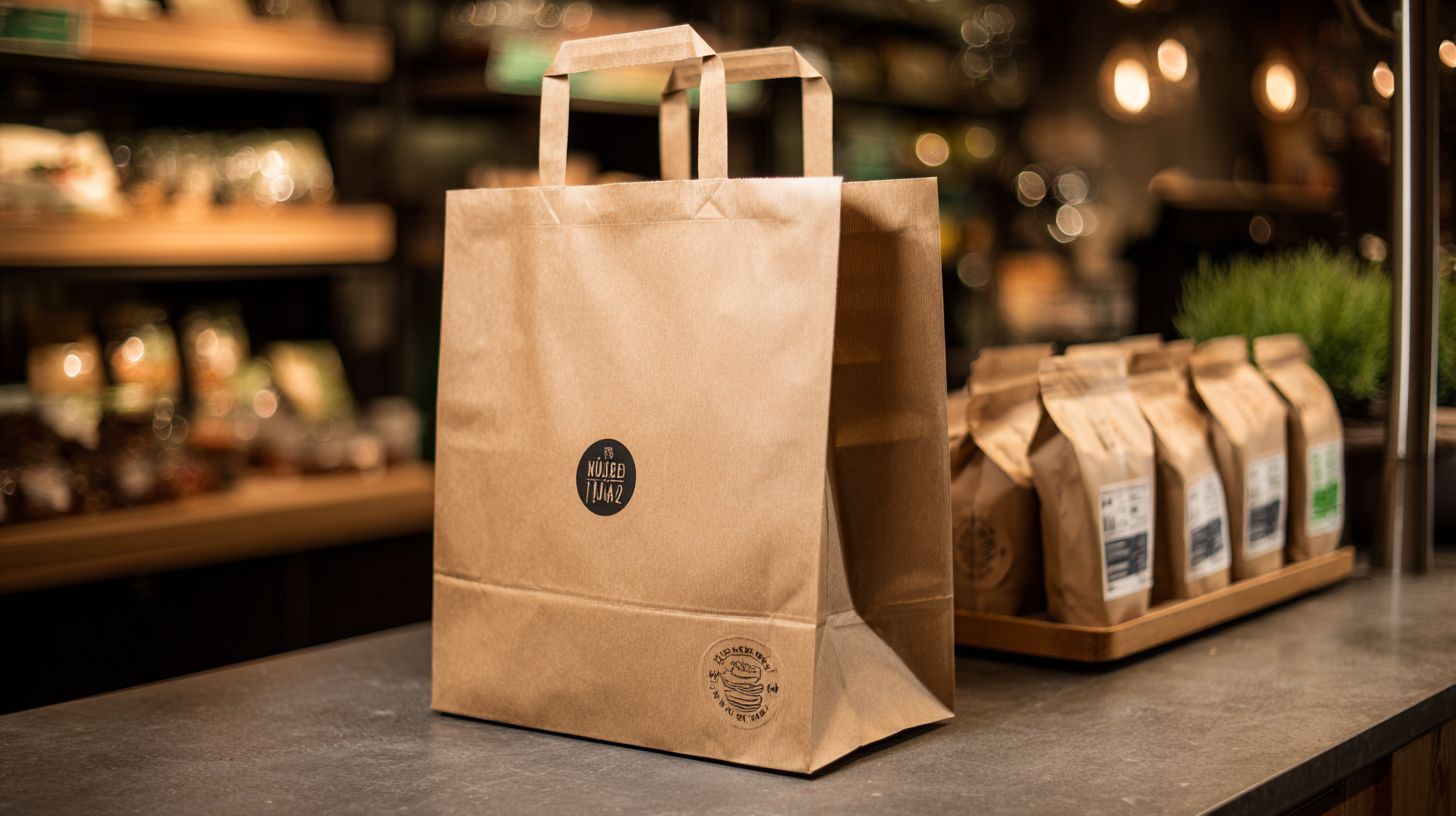
Patch handle bags are durable printed shopping bags featuring reinforced patch handles sewn onto the bag for added strength and comfort, typically made from materials like paper or plastic. They benefit your business by enhancing customer experience through reliable carrying options for heavier purchases, improving brand image with customizable designs, and promoting sustainability if opting for eco-friendly versions, ultimately boosting customer satisfaction and repeat business.
Q: What materials are commonly used in patch handle bags?
Patch handle bags are often crafted from kraft paper, recycled plastic, or non-woven polypropylene, providing options for strength and eco-friendliness. For businesses, choosing the right material can align with sustainability goals, reduce costs through bulk recyclable options, and appeal to environmentally conscious customers, directly benefiting your brand’s reputation and operational efficiency.
Q: How do patch handle bags differ from standard carrier bags?
Unlike standard carrier bags with simple looped handles, patch handle bags have flat, sewn-on patches that distribute weight evenly for better durability. This difference benefits businesses by minimizing bag failures during transport, reducing replacement costs, and offering a premium feel that elevates the unboxing experience, encouraging positive word-of-mouth and customer loyalty.
Q: Are patch handle bags suitable for retail environments?
Yes, patch handle bags are ideal for retail due to their robust construction that handles various product weights securely. They benefit businesses by streamlining checkout processes, allowing for quick packing of items, and serving as a mobile advertisement space for logos, which increases brand visibility and can drive more foot traffic to your store.
Q: Can patch handle bags be customized for branding purposes?
Absolutely, patch handle bags can be printed with logos, colors, and designs to match your brand identity. This customization benefits your business by turning everyday packaging into a marketing tool, fostering brand recall among customers, and differentiating your products from competitors, potentially leading to higher sales and customer engagement.
Q: What are the cost implications of using patch handle bags for a business?
While initial costs may vary based on material and quantity, patch handle bags offer long-term savings through their durability, reducing the need for frequent replacements. They benefit businesses by providing a cost-effective alternative to flimsier options, enhancing perceived value to customers, and supporting bulk purchasing discounts that improve profit margins.
Boost your brand visibility with durable and stylish patch handle bags from Aplasticbag — the smart packaging choice for retail stores, boutiques, grocery shops, and promotional businesses across the USA. Our high-quality custom patch handle bags offer superior strength, comfortable carrying, and eye-catching printing that keeps your brand in customers’ hands longer.
Why Choose Aplasticbag?
✔ Premium-quality materials built for durability
✔ Custom printing that enhances brand recognition
✔ Affordable bulk pricing for USA businesses
✔ Fast production & reliable nationwide shipping
✔ Trusted packaging partner for modern retail brands
Order Now from Aplasticbag and give your customers packaging that looks professional, feels strong, and promotes your business everywhere they go!

 7 Reasons to Use Custom Patch Handle Bags for Your Business
  5 Reasons to Choose Custom Patch Handle Bags for Retail
  What Are the Key Benefits of Choosing Custom Patch Handle Bags?
Comments