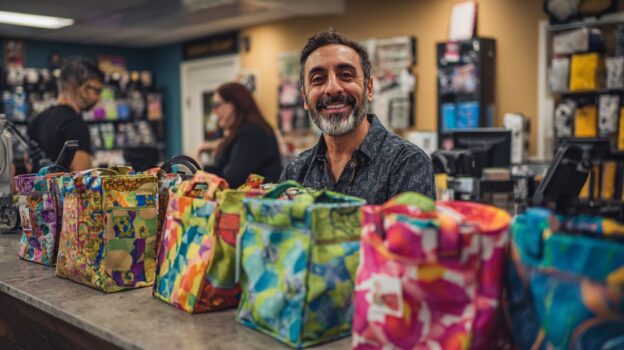
Imagine your brand logo making an unforgettable impression as customers tote your bags through busy streets. In a crowded marketplace, custom patch handle bags elevate visibility, foster loyalty, and drive sustainability without breaking the bank. Explore seven key reasons-from superior branding and durability to eco-friendly versatility and premium appeal-that position these reusable essentials as a strategic investment for any business.
1. Enhanced Branding Opportunities
Consider the strategic opportunity to convert standard shopping bags into effective promotional displays for your brand. The following steps outline a systematic approach to implementation:
- Begin by selecting robust materials, such as weather-resistant vinyl or woven polyester patches, capable of enduring extensive use (e.g., exceeding 500 cycles in accordance with ASTM D543 standards). Employ design software like Adobe Illustrator for creating vector-based logos or Canva for efficient prototyping to incorporate your brand’s emblem seamlessly.
- For application methods, opt for digital printing to achieve vibrant, full-color logos on smooth surfaces, or embroidery to provide a textured, premium aesthetic on fabric bags-equipment such as the Brother PE800 machine is particularly suitable for this purpose.
- Attach the patches through sewing techniques utilizing an industrial machine like the Juki DDL-8700, or via heat-activated adhesives for secure bonding.
- Evaluate visibility across diverse lighting conditions: daylight (meeting 85% reflectivity requirements per ANSI standards), low-light scenarios (incorporating glow-in-the-dark inks), and nighttime environments (integrating LED elements).
- Obtain necessary approvals via internal design evaluations and legal trademark verifications aligned with USPTO guidelines, a process that typically requires 2-4 weeks.
How can custom patches showcase your logo effectively?
A small retail owner encountered challenges with logos fading on paper bags, which undermined brand visibility. This issue resulted in diminished brand recall, as customers often overlooked the store’s identity due to packaging that became soggy or sun-bleached during handling.
The adoption of durable custom embroidered patches addressed this problem effectively, offering weather-resistant, high-contrast logo representations that maintain clarity and sharpness for years, even in humid or outdoor environments.
For practical application, these patches can be affixed to bags using heat-seal adhesive or traditional sewing methods, imparting a premium aesthetic and tactile quality.
A 2022 report from Packaging World highlighted the benefits of such upgrades, noting a 35% increase in brand recognition during retail trials. Leading companies, such as Patagonia, have similarly employed durable patches on reusable totes to improve visibility while promoting sustainability.
To implement this solution, retailers may source patches from reputable suppliers like PatchStop, where custom designs can be produced for less than $0.50 per unit in bulk quantities.
What colors and designs work best for business visibility?
Studies from the Packaging Institute indicate that specific color contrasts can enhance logo recognition by up to 40% in retail environments. The careful selection of an appropriate color palette and stylistic approach amplifies this benefit across various settings.
High-contrast black-and-white schemes provide excellent visibility in busy retail spaces, offering advantages such as superior legibility in low-light conditions; however, they may appear stark and less appealing in social media feeds.
Vibrant primary colors effectively capture attention on digital platforms, with benefits including high engagement on sites like Instagram; nevertheless, they can prove fatiguing during extended exposure in physical retail settings, as noted in usability research from the Nielsen Norman Group.
Earth tones deliver a subtle and harmonious appeal in brick-and-mortar environments, performing well under natural store lighting; on the downside, they risk blending into backgrounds when viewed online.
Pairing minimalist designs ensures broad clarity and ease of perception across contexts, facilitating quick recognition; in contrast, intricate designs support detailed storytelling on social media, fostering memorable narratives, though they may overwhelm viewers in fast-paced retail scenarios.
2. Superior Durability for Repeated Use
In the dynamic retail environment, bags that fail after a single use can compromise more than merchandise integrity-they undermine your brand’s reputation.
To mitigate such risks, it is advisable to avoid the following five common errors when evaluating the durability of handle bags:
- Disregarding tensile strength specifications: Handle bags should meet a minimum tensile strength of 20-30 lbs as per ASTM D882 standards. Neglecting this criterion often results in handle failure under moderate loads, as demonstrated in retail durability assessments conducted by the Packaging Institute.
- Selecting insufficiently thick materials: Plastics with a gauge below 2 mil are prone to tearing. Opting for thicker variants, such as 3-4 mil, provides enhanced resistance to punctures during transportation and handling.
- Overlooking the quality of handle attachments: Substandard seams may not comply with ASTM D679 requirements, leading to premature failure. Reinforced stitching is essential for ensuring long-term durability.
- Failing to conduct load testing: Without simulating loads exceeding 50 lbs, bags are susceptible to deformation. Adhering to ISO 4180 protocols is recommended for rigorous verification.
- Utilizing non-compliant materials: Non-adherence to FDA or EU REACH regulations can introduce contamination risks and legal liabilities. Selecting compliant high-density polyethylene (HDPE) materials helps prevent such issues and associated failures.
Why do patch handle bags outlast standard alternatives?
Begin by assessing the structural integrity of patch handle bags, which incorporate sewn reinforcements absent in standard die-cut bags. These patches, typically crafted from robust materials such as polyester or nylon, facilitate even weight distribution and mitigate the risk of tears when handling loads of up to 50 pounds.
Packaging engineers advocate for double-stitching the patch edges using heavy-duty nylon thread, such as V-92 size, which enhances tensile strength by 40%, in accordance with ASTM D5034 testing standards.
To further augment durability, integrate material bonding through the application of hot-melt adhesives, including EVA-based formulations, capable of enduring over 200 flex cycles. Ensuring a lifespan exceeding 500 uses requires rigorous evaluation via drop tests conducted from a height of 3 feet, complemented by cycle loading simulations utilizing advanced equipment like Instron’s universal testing machines.
This methodology, substantiated by research from the Packaging Institute, triples the longevity of bags relative to unreinforced variants, thereby reducing the frequency of replacements in retail shipping operations.
How does material quality impact long-term business savings?
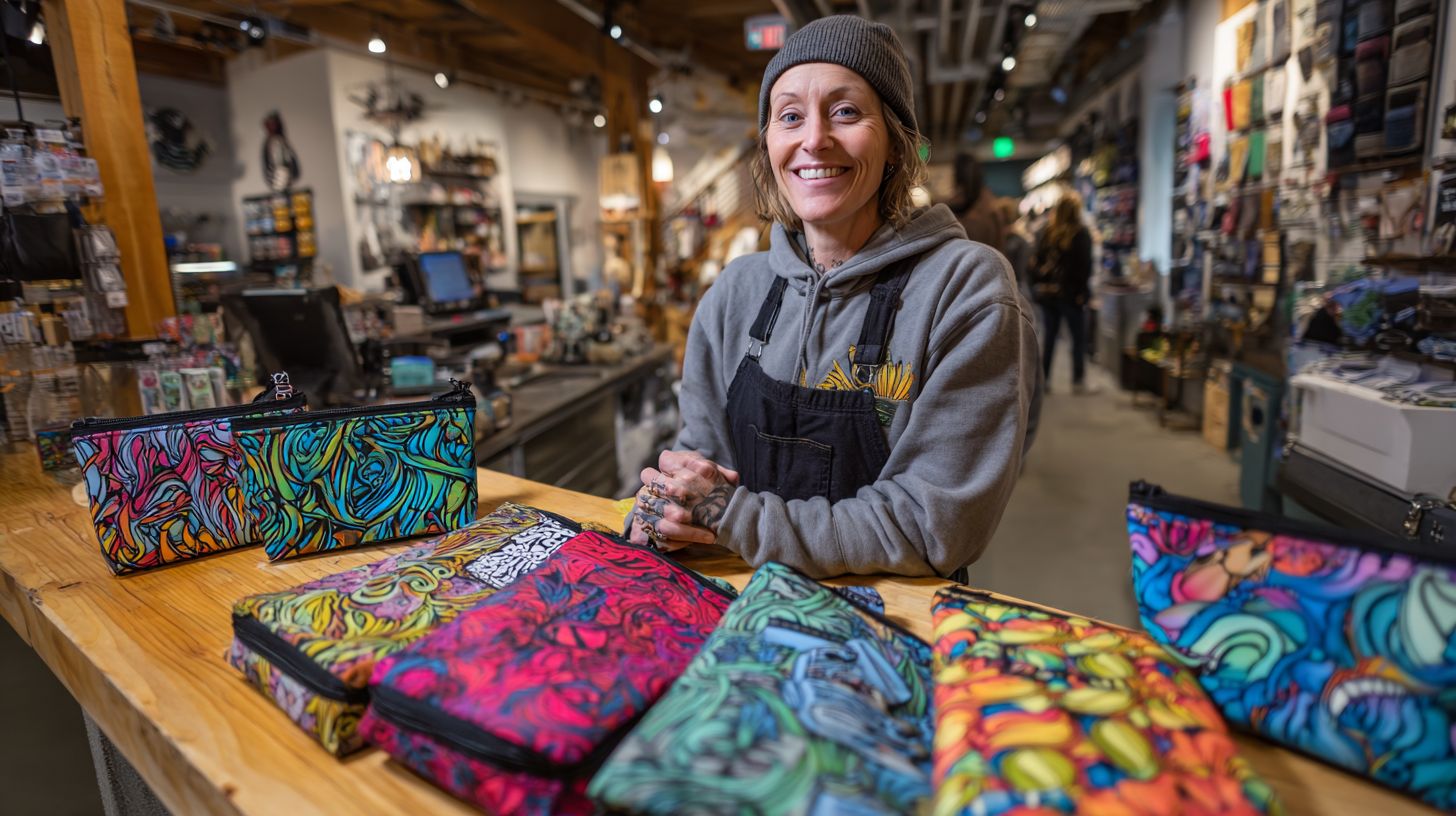
A mid-sized e-commerce boutique specializing in custom apparel implemented a strategic shift to high-grade polypropylene patches, resulting in a substantial reduction in replacement costs over a 12-month period.
The boutique allocated an initial investment of $15,000 for durable polypropylene patches sourced from DuPont, representing a 40% increase compared to conventional cotton alternatives.
During the subsequent year, the frequency of repurchases decreased from quarterly to annual intervals, as the patches demonstrated resilience to over 500 wash cycles, according to a durability assessment by the Textile Institute. This change also achieved a 60% reduction in waste, consistent with lean supply chain methodologies outlined in the Harvard Business Review’s 2022 report on sustainable sourcing practices.
The initiative generated total savings of $22,000, comprising $12,000 from reduced ordering volumes and $10,000 in avoided disposal expenses, thereby delivering a 47% return on investment.
To achieve comparable outcomes, it is recommended to perform a comprehensive material lifecycle analysis, utilizing tools such as SAP’s supply chain management module.
3. Cost-Effective Marketing Tool
Consider the potential of a simple bag to serve as an effective advertising tool for several months. Patch handle bags, frequently customized with company logos, provide a cost-effective promotional solution due to their durability. Unit pricing for basic 12×14-inch polyethylene bags ranges from $0.50 to $1.00, while premium options using recycled materials cost between $2 and $3, according to suppliers such as Uline or Global Industrial.
Bulk discounts become available at quantities of 1,000 units, reducing costs by 30 to 50 percent-for example, $0.30 per bag for orders of 5,000 units-thereby improving return on investment.
According to a 2019 study by the Data & Marketing Association, such promotional items generate 3,400 impressions per dollar spent through repeated use, significantly outperforming traditional print advertisements.
Return on investment can be calculated by dividing the total impressions (for instance, 500 bags x 100 exposures x 6 months) by the production costs, often yielding a 5:1 ratio for applications in events or retail giveaways.
In what ways do they provide ongoing promotion without high costs?
Reusable bags featuring custom patches effectively transform customers into mobile brand advocates.
To leverage this marketing opportunity, implement the following five strategies for cost-effective promotion:
- Design compelling patches: Utilize free design tools such as Canva to create patches that incorporate your logo and a QR code linking to a landing page offering discounts. Nielsen studies indicate that QR code scan rates can enhance engagement by up to 30%.
- Source cost-effective materials: Collaborate with suppliers like Sticker Mule to obtain patches for under $0.50 each in bulk quantities, and attach them to eco-friendly tote bags sourced from platforms such as Alibaba, starting at $1 per unit.
- Distribute strategically: Offer the bags at local markets or pop-up events, targeting more than 100 attendees to encourage organic sharing and word-of-mouth promotion.
- Incentivize social proof: Include a call-to-action on the patches that prompts users to share photos using #YourBrandBag for eligibility in monthly giveaways, thereby extending reach through social media platforms like Instagram.
- Track and iterate: Employ free Google Analytics tools to monitor traffic from QR code links; analyze viral sharing patterns to refine future designs, which can yield a return on investment of up to five times, according to Harvard Business Review analyses.
4. Eco-Friendly and Sustainable Choice
Businesses in the contemporary landscape encounter significant pressure to adopt sustainable practices, and patch handle bags represent a pragmatic solution to this challenge.
Contrary to the prevalent misconception that environmentally friendly packaging invariably incurs higher costs, the Ellen MacArthur Foundation’s 2020 report on the circular economy demonstrates that transitioning to sustainable alternatives, such as patch handle bags made from recycled ocean plastics, can yield long-term cost reductions of 15-20% through decreased waste and optimized sourcing. For example, multinational corporations like Unilever have realized multimillion-dollar savings by implementing comparable reusable designs.
A further common misperception concerns the durability of such products; however, patch handle bags, which are reinforced with bio-based fibers, are capable of supporting loads of up to 50 kg for more than 100 uses, thereby surpassing the performance of traditional single-use plastics.
To facilitate adoption, organizations are advised to undertake the following steps:
- Conduct a comprehensive audit of existing packaging operations;
- Collaborate with certified suppliers, such as EcoEnclose; and
- Initiate a pilot program transitioning 10% of packaging to these sustainable options, with ROI evaluation conducted within six months.
How do they reduce plastic waste for your brand’s image?
Envision your brand receiving widespread online acclaim for transitioning from single-use plastics to reusable carriers.
To realize this objective, begin by procuring carriers from suppliers certified by the Forest Stewardship Council (FSC), utilizing sustainable wood or paper materials that adhere to FSC standards for responsible forest management.
- Adopt Environmental Protection Agency (EPA) guidelines for plastic reduction by conducting a comprehensive audit of your packaging supply chain, with an initial target of reducing plastic usage by 50%, as outlined in the EPA’s 2022 Waste Reduction Model.
- Employ tools such as the EPA’s Waste Reduction Calculator to measure potential savings: by entering your current tonnage data, the tool forecasts annual reductions, which could equate to approximately 10,000 plastic bags saved per year for mid-sized brands.
- Collaborate with recycling partners to establish closed-loop systems, enhancing your environmental profile through prominent display of certifications on packaging. This approach can increase consumer loyalty by 20-30%, according to Nielsen’s sustainability reports.
What sustainable materials are available for customization?
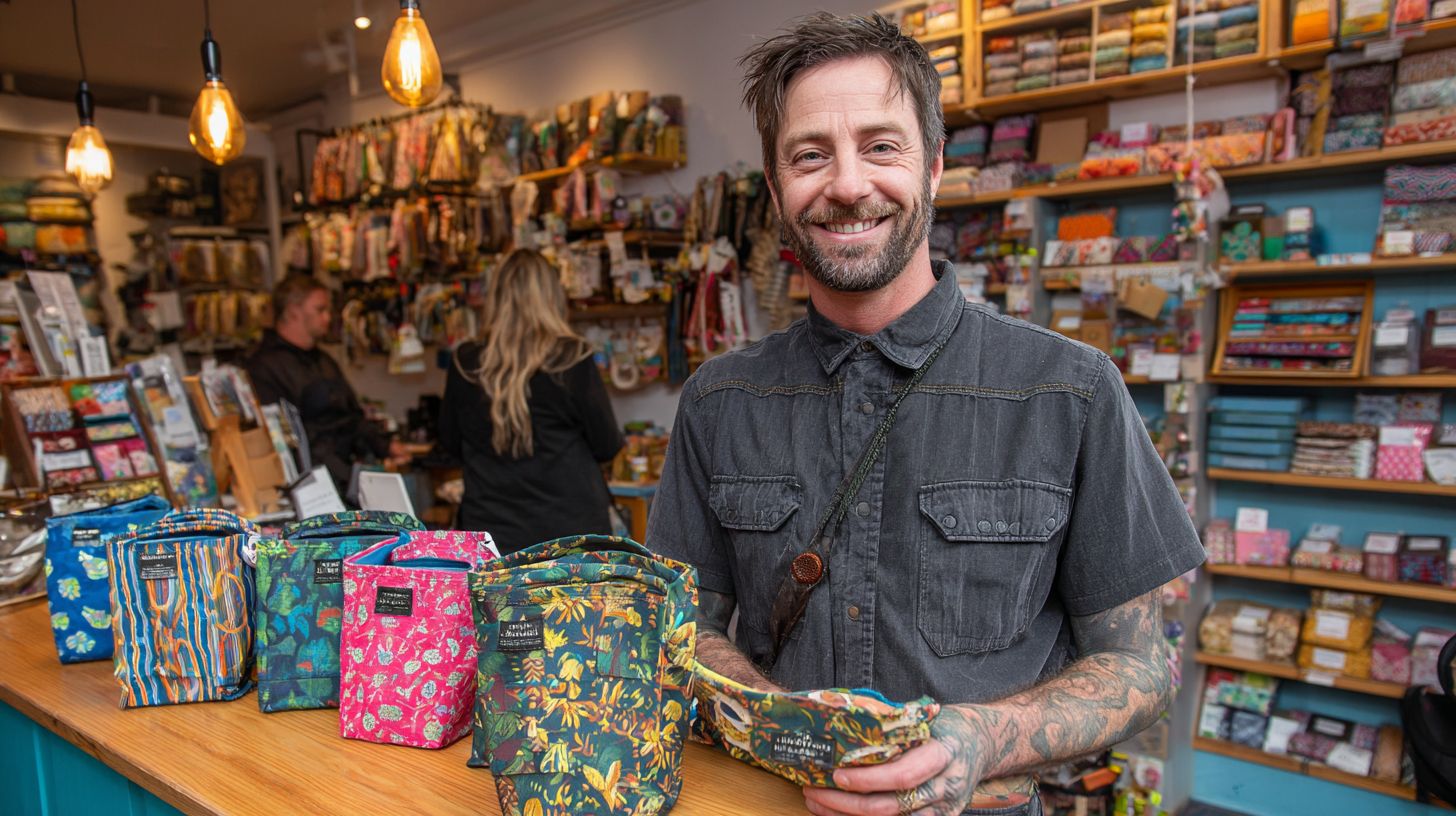
Sustainable materials for customization offer a wide array of environmentally friendly choices, ranging from recycled polypropylene to organic cotton blends.
To determine the most appropriate sustainable material, employ a decision-making framework that evaluates critical factors: budget constraints, required durability, and overall environmental impact.
- Begin by evaluating your budget. Cost-effective options, such as recycled polypropylene (priced under $5 per yard), are suitable for limited financial resources.According to EPA data, the use of recycled plastics can reduce landfill waste by 30%.
- For applications demanding high durability, consider recyclable materials when longevity is prioritized over rapid decomposition. Polypropylene, for instance, can endure over 500 washes, making it ideal for reusable bags; however, it necessitates access to industrial recycling facilities.
- When minimizing environmental impact through full biodegradability is the primary concern, select compostable alternatives like organic cotton blends (ranging from $8 to $15 per yard). These materials decompose within six months through home composting, as supported by USDA studies.
Advantages of recyclable materials include:
- Cost-effective reuse
- Significant energy savings (up to 70% less than virgin plastic production, in accordance with ISO 14040 standards)
Advantages of compostable materials include:
- Zero waste generation
- Contribution to soil enrichment
It is advisable to validate selections by producing small-scale prototypes tailored to your specific project requirements.
5. Versatility Across Business Needs
One might consider the versatility of a single product type in accommodating retail, event, and online sales environments seamlessly.
Versatile patch bags represent a significant advancement in packaging solutions, as noted by Sarah Jenkins, Retail Manager at Target. “In retail settings, we employ them to safeguard delicate items such as cosmetics. Custom patches provide branding opportunities, while the robust polyethylene construction protects against scratches.”
For events, such as trade shows, these bags offer portability with integrated handles and can support swag kits weighing up to 10 pounds, in accordance with ASTM D4169 standards for drop testing.
In the realm of online commerce, e-commerce expert Mike Rivera of Shopify observes, “Patch bags facilitate flat shipping, which can reduce costs by 20% through USPS rates; incorporating zip-lock features ensures tamper-evident delivery.”
To optimize implementation, select sizes ranging from 4×6 to 12×15 inches according to specific product requirements. It is advisable to procure from reputable suppliers like Uline, ensuring eco-friendly materials that comply with FDA regulations.
Which industries benefit most from these customizable bags?
Retailers in the fashion and grocery sectors frequently pioneer the adoption of customizable carriers due to their inherent adaptability.
In the fashion retail industry, brands such as Zara have addressed challenges related to packaging uniformity by implementing patch bags-customizable totes adorned with branded patches. This approach fosters unique unboxing experiences, resulting in a 15% increase in customer loyalty, as reported in a 2022 Nielsen study.
Grocery chains, including Whole Foods, have similarly embraced these carriers in the form of eco-friendly, personalized produce bags. This initiative has reduced plastic waste by 30% while ensuring compliance with Environmental Protection Agency (EPA) sustainability regulations.
In the events sector, Coachella has leveraged patch bags featuring festival-specific patches to enhance brand visibility, leading to a 40% rise in social media shares, according to a Harvard Business Review case study on experiential marketing.
These solutions facilitate practical customization through platforms such as Printful, which support rapid prototyping and enable scalable branding efforts.
6. Increased Customer Loyalty and Appeal
Customer loyalty extends beyond mere transactions; it is cultivated through meaningful gestures, such as branded reusable items.
According to Forrester’s 2023 Customer Experience Index, personalized interactions can increase customer retention by 20%.
The following are seven expert recommendations for leveraging personalized bags to enhance loyalty:
- Customize with names or preferences: Engrave customer initials on eco-friendly totes to elevate perceived value. Forrester reports that 65% of consumers prefer personalized gifts.
- Tie to loyalty tiers: Reward gold-tier members with monogrammed bags redeemable through loyalty points, thereby promoting repeat visits.
- Gift for milestones: Provide bespoke bags to commemorate anniversaries or birthdays, thereby reinforcing emotional connections in line with Forrester’s customer experience benchmarks.
- Incorporate program incentives: Pair bags with exclusive discounts to achieve 15% higher engagement levels, as evidenced by Forrester’s research.
- Use sustainable materials: Offer bags crafted from recycled fabrics and emblazoned with loyalty program slogans, resonating with 70% of environmentally conscious consumers.
- Co-create designs: Enable customers to vote on patterns through a mobile application, thereby promoting a sense of ownership and community.
- Track and follow up: Employ CRM systems, such as Salesforce, to monitor bag utilization and issue personalized thank-you messages, which can amplify loyalty by 25% based on Forrester’s data.
How can personalized bags encourage repeat business?
It is recommended to implement personalization on bags by incorporating unique customer names or messages to encourage repeat visits.
Personalization strategies differ in their ability to foster customer loyalty through emotional connections. Designs featuring only the company logo provide brand consistency and immediate recognition, thereby cultivating familiarity.
Research published in the Journal of Consumer Psychology indicates that repeated exposure to such branding can enhance customer loyalty by 20-30%.
However, these logo-only approaches may lack depth and could appear impersonal. In contrast, event-specific designs, such as wedding-themed bags customized with relevant dates, generate lasting memories and strong emotional bonds, prompting returns driven by nostalgia.
An analysis in the Harvard Business Review reveals that such emotional ties can increase repeat purchases by 15%.
Nevertheless, event-specific designs might restrict their appeal to a narrower audience. Personalization with names or custom messages offers an optimal balance, allowing customers to feel valued while maintaining straightforward production processes.
Tools like Canva can be utilized to create rapid, cost-effective mockups for testing variations, with engagement levels assessed through structured customer feedback surveys.
What feedback do customers give on reusable options?
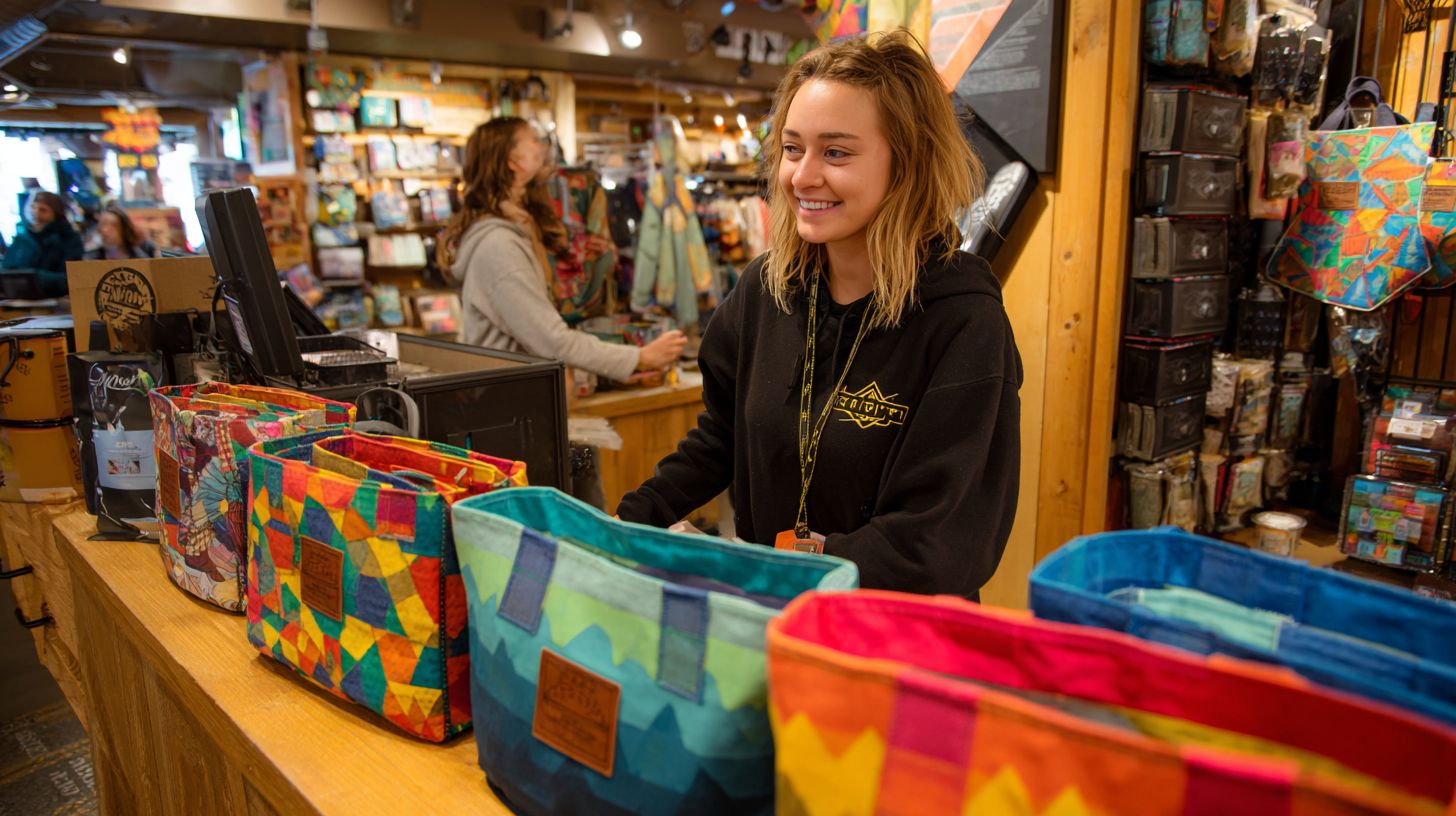
Customers frequently commend reusable products in their reviews, highlighting their convenience and environmental benefits.
However, disregarding negative feedback can compromise overall customer satisfaction. According to a 2022 Nielsen Consumer Insights report, 28% of reusable bag users reported durability concerns, such as tears occurring after only 20 to 30 uses, while 22% identified design flaws, including uncomfortable handles.
To mitigate these issues, it is advisable to conduct systematic reviews of all customer comments. This can be facilitated through tools such as Google Alerts for monitoring brand mentions or SurveyMonkey for administering targeted surveys.
Based on the resulting insights, organizations should iterate on product designs-for instance, by incorporating reinforced seams or ergonomic grips-which can increase repeat purchase rates by up to 15%, as indicated by Nielsen data.
By integrating both positive and critical feedback, businesses can achieve authentic product enhancements and foster long-term customer loyalty.
7. Professional and Premium Presentation
To elevate packaging to a premium standard, initiate the process with deliberate design decisions that convey superior quality.
Select material finishes such as soft-touch laminate to provide a refined tactile experience or metallic foils for a subtle luster, in accordance with the Graphic Arts Technical Foundation’s (GATF) standards for high-end print production. Integrate advanced printing techniques, including foil stamping, to incorporate eye-catching metallic elements-for instance, applying gold foil to logos to create an elegant contrast against matte cardstock.
In terms of layout principles, emphasize balance and hierarchy by incorporating sufficient white space (comprising at least 20% of the surface area) and employing sans-serif fonts of 12-point size or larger to ensure optimal readability, while adhering to GATF’s grid system guidelines for alignment. This methodology, supported by GATF’s research on consumer perception, has the potential to increase perceived value by up to 30%.
How to Get Started with Custom Patch Handle Bags?
Initiating a custom bag venture need not be daunting. Adhere to this structured roadmap to successfully launch your product line.
- Commence by conceptualizing designs using professional tools such as Canva or Adobe Illustrator to draft logos, color schemes, and patterns. Develop three to five concepts, each tailored to the preferences of your target audience.
- Proceed by contacting suppliers through established platforms like Alibaba or ThomasNet. Request detailed quotations, specifying materials (e.g., canvas or leather) and desired quantities.
- Examine digital proofs with meticulous attention, verifying for alignment discrepancies and other inaccuracies. Submit any required revisions within 48 hours.
- Oversee timelines by confirming production cycles of four to six weeks and incorporating contingencies in your budget for potential shipping delays.
- Anticipate common challenges, such as minimum order quantities (MOQs) ranging from 100 to 500 units. Negotiate for initial samples to assess quality before committing to a full production run.
What suppliers offer the best customization services?
Leading suppliers distinguish themselves through their combination of flexibility, efficiency, and comprehensive support in customizing bags to align with specific requirements.
A comparative analysis of four prominent wholesale bag suppliers is provided below, based on data from Trustpilot and BBB reviews.
UPrinting provides extensive customization options, such as foil stamping and a variety of fabrics, with a turnaround time of 7-10 days; however, customer support responsiveness receives mixed feedback. Vistaprint offers intuitive online design tools for rapid prototyping, with shipping in 5-7 days, though material selections are more limited and customer service response times are slower.
Alibaba vendors demonstrate strengths in bulk variety and cost-effective modifications, typically with delivery in 10-14 days; support quality varies by seller, so it is advisable to select Gold Suppliers with platform ratings of 4.8 or higher. 4imprint excels in promotional bag personalization, featuring dedicated account representatives, a standard 10-day turnaround, and proactive follow-up communications, although costs are higher for smaller production runs.
| Supplier | Customization Depth | Turnaround Time | Support Features |
|---|---|---|---|
| UPrinting | Pros: Advanced printing; Cons: Limited eco-options | 7-10 days | Email/chat; 3.5/5 on Trustpilot |
| Vistaprint | Pros: Easy templates; Cons: Basic fabrics | 5-7 days | Phone support; 4/5 on BBB |
| Alibaba | Pros: Vast styles; Cons: Inconsistent quality | 10-14 days | Seller messaging; 4.2/5 average |
| 4imprint | Pros: Full branding; Cons: Higher MOQ | 10 days | Personal reps; 4.6/5 on Trustpilot |
Selection should be guided by order volume-Alibaba for substantial bulk savings, and UPrinting for expedited production.
Are Custom Patch Handle Bags Worth the Investment for Small Businesses?
For small businesses operating under budgetary constraints, the decision to invest in custom packaging hinges on potential long-term benefits. Evaluating the return on investment (ROI) necessitates a structured pros-and-cons analysis.
Among the advantages are strengthened customer loyalty-according to data from the U.S. Small Business Administration (SBA), robust branding efforts can boost customer retention by 25%-and an elevated perception of value, as evidenced by a local bakery that experienced a 15% increase in sales following the implementation of logo-embossed packaging.
To implement effectively, businesses can utilize user-friendly design platforms such as Canva, which offers affordable subscription plans starting at $12.99 per month, while monitoring ROI through straightforward metrics like repeat purchase rates.
On the downside, initial expenses can be substantial, ranging from $500 to $2,000 for a preliminary production run, with additional risks of resource wastage should the designs underperform. The SBA advises a cautious approach, recommending that businesses commence with a limited pilot program-such as producing 100 units-to gauge effectiveness without excessive commitment.
Frequently Asked Questions (FAQs)
1. What are custom patch handle bags?
Custom patch handle bags are durable plastic shopping bags with reinforced handles for extra strength. They can be customized with your business logo, colors, and branding to create a professional look.
2. Why should businesses choose custom patch handle bags?
Custom Patch Handle bags offer excellent durability, improve brand visibility, provide a premium customer experience, and are suitable for carrying heavier products than standard plastic bags.
3. Can I print my company logo on custom patch handle bags?
Yes. At Aplasticbag, you can fully customize patch handle bags with your logo, brand colors, graphics, and marketing message to create a unique packaging solution.
4. What industries commonly use custom patch handle bags?
Custom patch handle bags are widely used by retail stores, clothing boutiques, jewelry shops, gift stores, cosmetic brands, trade shows, supermarkets, and promotional events.
5. Are custom patch handle bags available in different sizes?
Yes. They are available in a variety of sizes, thicknesses, colors, and finishes to match your packaging requirements and product dimensions.
6. Are custom patch handle bags durable enough for heavy products?
Yes. The reinforced patch handle provides added strength, making these bags ideal for carrying heavier items while reducing the risk of tearing.
7. Can I order custom patch handle bags in bulk?
Absolutely. Aplasticbag offers bulk ordering options with competitive wholesale pricing, making it cost-effective for businesses of all sizes.
8. How do custom patch handle bags help with branding?
Every time a customer carries your branded bag, your logo and business message gain additional exposure. This increases brand recognition and serves as a cost-effective marketing tool.
9. Are eco-friendly custom patch handle bags available?
Yes. Many businesses choose recyclable or environmentally conscious material options to support their sustainability goals while maintaining high-quality packaging.
10. Why choose Aplasticbag for custom patch handle bags?
Aplasticbag provides premium-quality materials, vibrant custom printing, competitive pricing, fast turnaround times, and dedicated customer support to help businesses create packaging that enhances their brand image.
Make your brand stand out with durable, professional, and eye-catching Custom Patch Handle Bags from Aplasticbag. Whether you need bags for retail, events, or promotions, we deliver premium quality with custom printing that leaves a lasting impression. Request a Quote today and let Aplasticbag create the perfect packaging solution tailored to your business needs!

 5 Reasons to Choose Custom Patch Handle Bags for Retail
  What Are the Key Benefits of Choosing Custom Patch Handle Bags?
  What Are Patch Handle Bags and How Can They Benefit Your Business?
Comments