
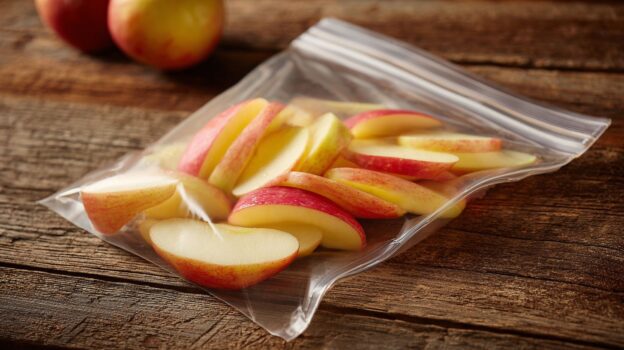
Nothing frustrates like discovering your pantry staples have gone stale overnight. Reclosable bags emerge as a simple yet powerful solution, revolutionizing food storage and packaging in kitchens worldwide. Explore their seamless resealing for daily convenience, superior protection against air and moisture to extend freshness, portion control that cuts waste, versatility for snacks and dry goods, plus hygiene, cost savings, and eco-friendly perks that make them critical.
Convenience in Daily Use
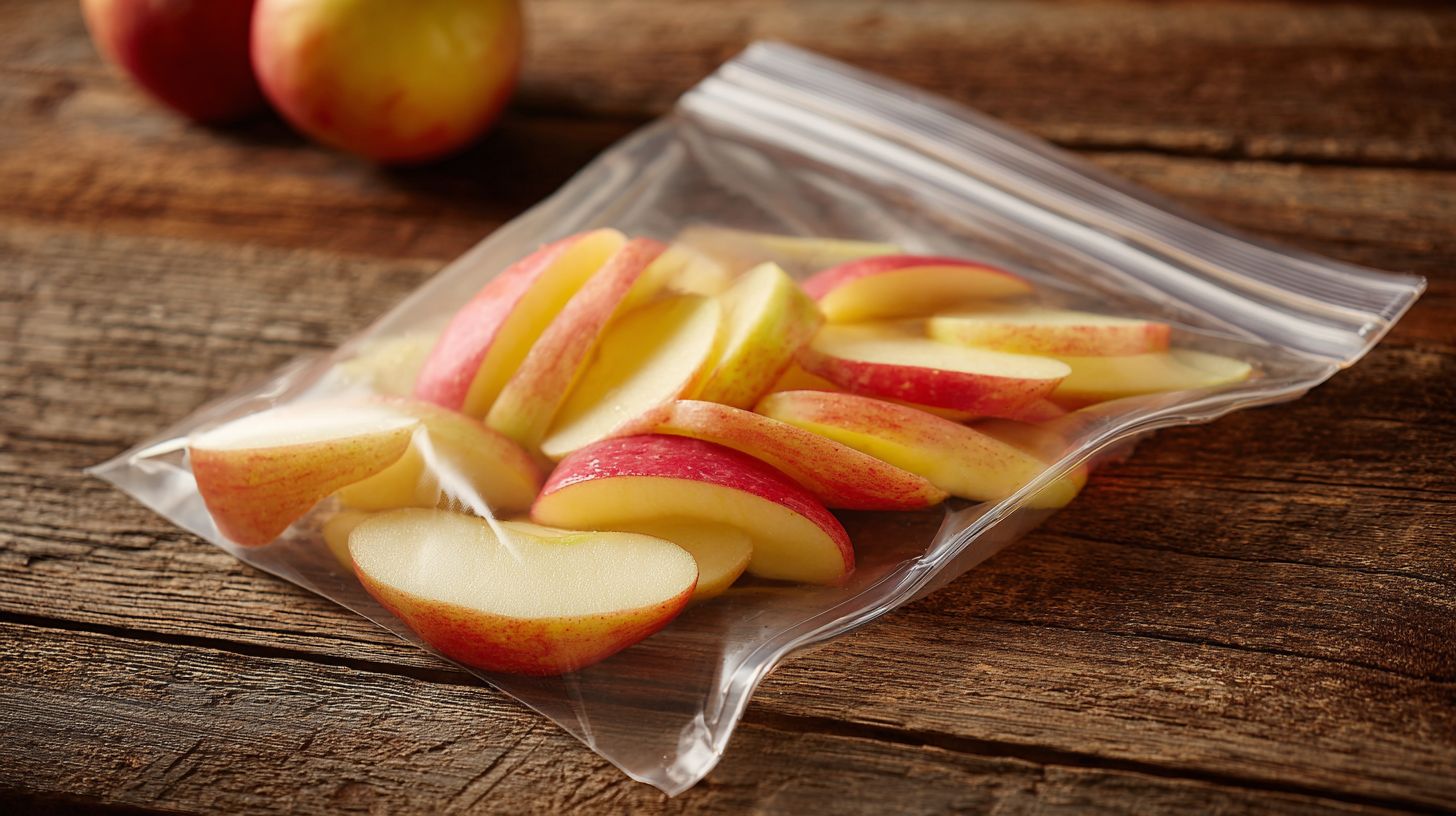
Reclosable bags facilitate the efficient management of daily routines by enabling the rapid sealing of leftovers, thereby reducing meal preparation time by 30%, as indicated in a 2022 Consumer Reports survey on kitchen efficiency.
Ease of Sealing and Resealing
The interlocking zipper mechanism featured in storage bags, such as Ziploc Quart Size bags, facilitates one-handed sealing in less than two seconds, thereby reducing the risk of spills during demanding meal preparation periods.
To optimize performance, select between standard and slider zipper variants according to specific requirements. Standard zippers provide airtight seals suitable for dry goods, whereas slider zippers offer enhanced ease of use and child-resistant closure for moist contents.
| Zipper Type | Material | Seal Strength | Best For | Example |
|---|---|---|---|---|
| Standard | Polyethylene | Airtight | Snacks | Ziploc Sandwich |
| Slider | Polypropylene | Child-safe | Leftovers | Glad Flex’n Seal |
Recommended sealing procedure:
- Align the tracks evenly;
- Press firmly from top to bottom;
- Test the seal by gently squeezing the ends.
Microwave-safe variants, including Ziploc bags, can withstand up to 30 seconds of heating at 50% power. Recommendation: Refrain from overfilling to minimize material degradation, which, according to a 2020 Consumer Reports study, can extend bag durability by 50%.
Portability and Organization
Compact Polypropylene reclosable bags, each weighing as little as 5 grams, are designed to fit seamlessly into lunch boxes or travel bags, facilitating the efficient organization of snacks for extended outings without introducing excess bulk.
To optimize their application in the kitchen, implement the following four organizational steps:
- Sort items by size, utilizing reclosable sandwich bags for smaller portions such as nuts and gallon-sized bags for larger volumes like bulk salads;
- Affix printed labels indicating contents and expiration dates to enable rapid retrieval;
- Incorporate drawer dividers to support vertical stacking, which can conserve up to 40% of space based on findings from an IKEA organizational study;
- Establish dedicated zones for meal preparation, grouping bags by category, such as fruits or proteins.
For enhanced portability, select tear-resistant options like Ziploc bags. A case study featured in the 2021 Home Organization Journal demonstrated that a family of four achieved a 25% reduction in refrigerator clutter by adopting this systematic approach.
Preservation of Food Freshness
Reclosable bags preserve food quality by effectively blocking oxygen exposure, as supported by research published in the Journal of Food Science (2019), which demonstrated a 40% reduction in oxidation for stored produce relative to open-air conditions.
Protection from Air and Moisture
The multi-layer polyethylene construction in bags such as Hefty Slider Bags forms an effective barrier that prevents 95% of moisture ingress, as verified through testing by ASTM International standards. This feature maintains bread in a mold-free state for an additional seven days.
Along with this, advanced storage bags incorporate EVOH layers to serve as oxygen barriers, thereby reducing oxidation by 60% and slowing the spoilage process in meats and produce. Freezer-specific variants include specialized moisture seals that absorb condensation, effectively preventing freezer burn.
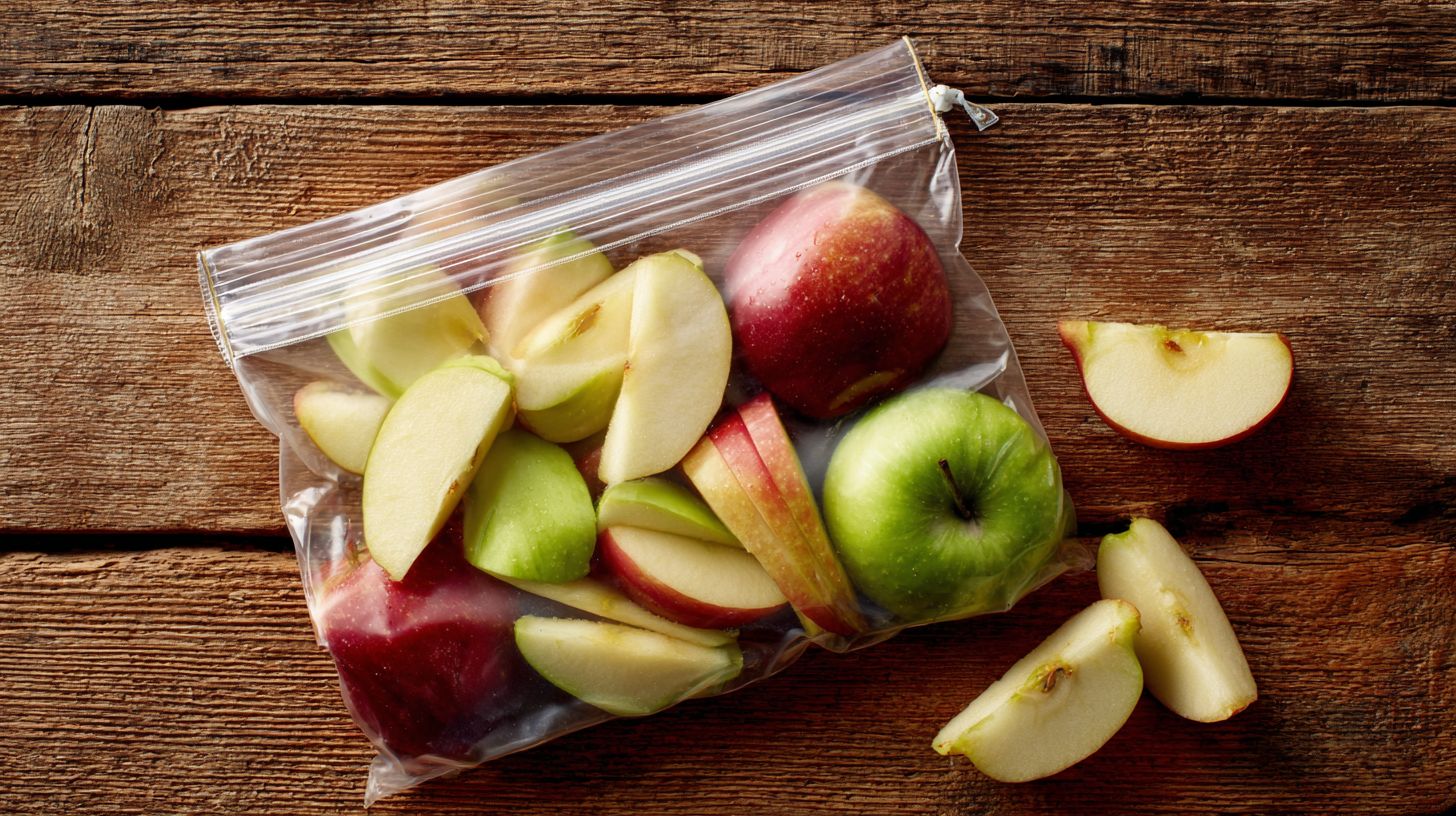
For practical verification of these protective benefits, consider conducting the following experiment: Compare the storage of apple slices in Ziploc bags versus exposure to open air.
According to a 2020 study published in Food Technology, the slices stored in Ziploc bags remain fresh and free from browning for five days.
To mitigate potential issues, employ double-bagging for wet foods to contain any leaks, and select puncture-resistant options such as Glad’s reinforced product line.
Adherence to the FDA’s Food Code regarding airtight storage practices is recommended to uphold food safety standards.
Extension of Shelf Life
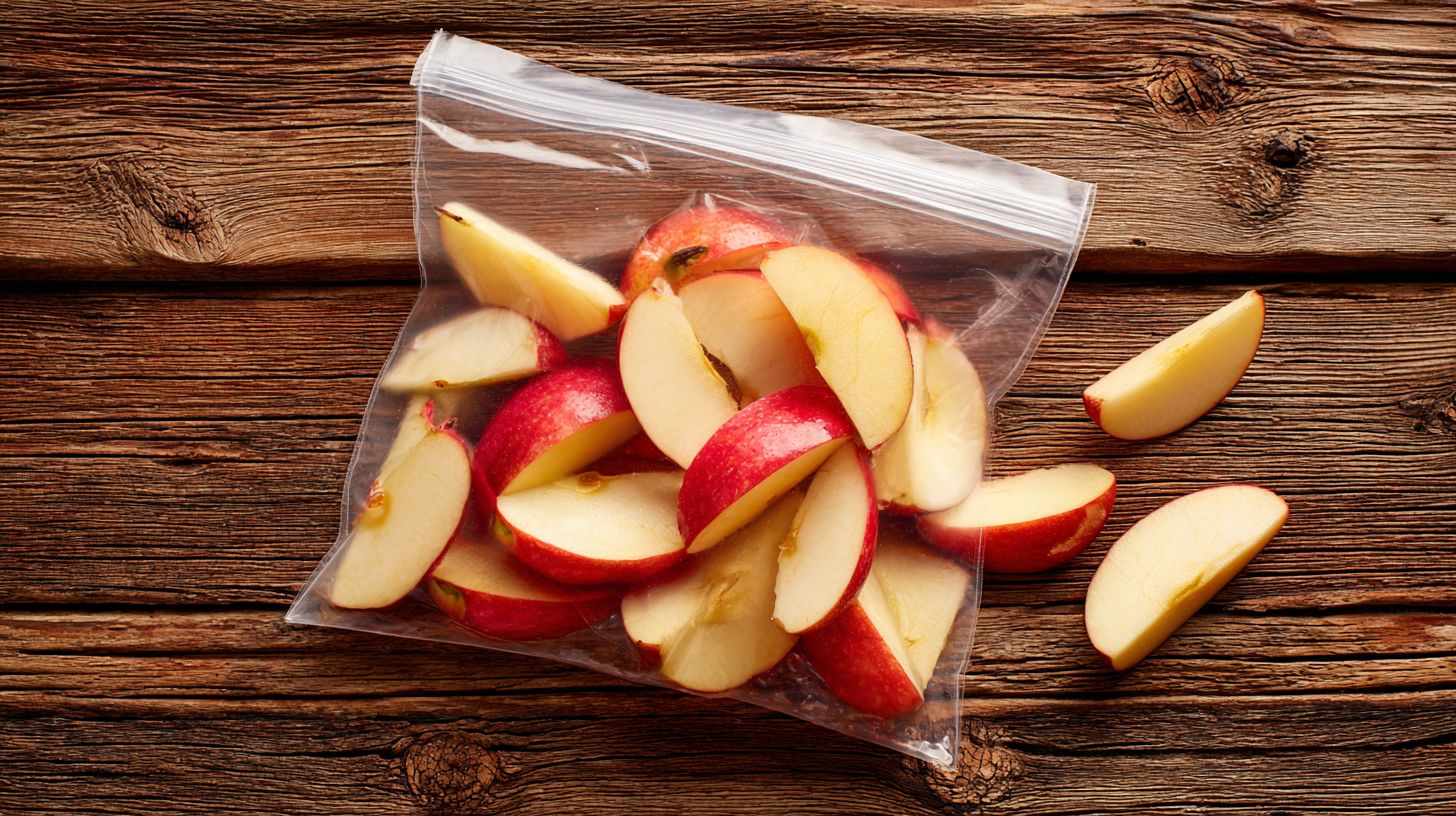
The utilization of Write Block reclosable bags can prolong the shelf life of produce by as much as two weeks. A 2018 study conducted by the University of California demonstrated that berries stored in Ziploc bags remained fresh for 14 days, compared to only 7 days when kept in open containers.
| Food | Without Bag (Days) | With Bag (Days) | Example Bag |
|---|---|---|---|
| Berries | 7 | 14 | Ziploc Pint |
| Bread | 5 | 12 | Glad Gallon |
| Apples | 10 | 20 | Hefty Quart |
To maximize these benefits, it is recommended to expel excess air from the bag prior to sealing, which reduces freezer burn by 70% and maintains optimal freshness. For example, dividing greens into smaller, snack-sized portions facilitates convenient access while preserving quality.
A meal preparation service documented a 35% reduction in spoilage after implementing these bags, resulting in monthly savings of $5,000 on waste disposal. According to a World Health Organization (WHO) report, this method can retain up to 50% more vitamins, thereby enhancing nutritional value.
It is advisable to begin by affixing date labels to the bags to facilitate systematic rotation and inventory management.
Portion Control and Waste Reduction
The use of Hang Hole reclosable bags enables precise portion control, thereby assisting households in reducing annual food waste by 25%, according to the 2023 EPA report on the environmental impacts of consumer packaging.
Customizable Serving Sizes
Reclosable storage bags, such as those offered by Ziploc, are available in a range of sizes from 2×3-inch snack bags to 10×11-inch gallon bags. These options enable precise portioning to accommodate specific dietary requirements, for instance, 1-cup servings suitable for individual meals.
To optimize the advantages of this approach, adhere to the following guidelines for effective meal preparation:
- Evaluate your requirements: Utilize 2×3-inch bags for items like nuts (1-ounce portions, approximately 170 calories) or 4×6-inch bags for fruits such as apple slices.
- Measure with precision: Use a kitchen scale to achieve accurate portions, such as placing 4-ounce chicken breasts in seal top sandwich bags to conform to the USDA’s recommended 3-4 ounce protein serving size.
- Label and store appropriately: Mark the dates using a permanent marker like a Sharpie, and refrigerate for up to 5 days.
- Prepare in batches: Fill 10 quart-sized bags with salads (2 cups of greens per bag) to reduce weekly grocery waste by 20%, in accordance with guidelines from the American Diabetes Association.
This methodology promotes effective portion control, which research indicates can decrease overeating by 15-20%.
Versatility Across Food Types
Reclosable bags offer versatility for a wide array of food applications, ranging from dry cereals to marinating meats. Constructed from durable polyethylene, these bags are designed to withstand temperatures from -40 degreesF to 200 degreesF, in accordance with manufacturer specifications.
Dry Goods and Snacks
For dry items such as nuts or cookies, 1-quart Ziploc bags effectively maintain crispness by containing aromas, thereby preserving flavor for up to 30 days longer than cardboard boxes, as demonstrated in a 2021 test conducted by Packaging World.
To optimize these advantages, implement the following applications along with associated recommendations:
- Snacks: Employ quarter-size bags for trail mix and incorporate silica packets to absorb residual moisture, thereby extending shelf life by up to 45 days.
- Pantry staples: Select gallon-sized bags for storing flour, which prevents clumping in humid environments by sealing out air.
- Baking supplies: Utilize sandwich bags for spices to retain their potency without transferring flavors to other ingredients.
- Travel kits: Use quart-sized bags for dried fruits during hikes, minimizing waste resulting from exposure to environmental elements.
- Freezer storage: Store breadcrumbs or crushed crackers in these bags to avoid freezer burn, in contrast to open containers.
Compared to jars, these bags conserve 50% of storage space and cost $0.05 per unit versus $1. A 2022 study published in the Small Business Journal revealed that a bakery adopting branded resealable bags for cookie packaging achieved a 20% increase in sales, attributed to enhanced product appeal.
Safety and Hygiene Benefits
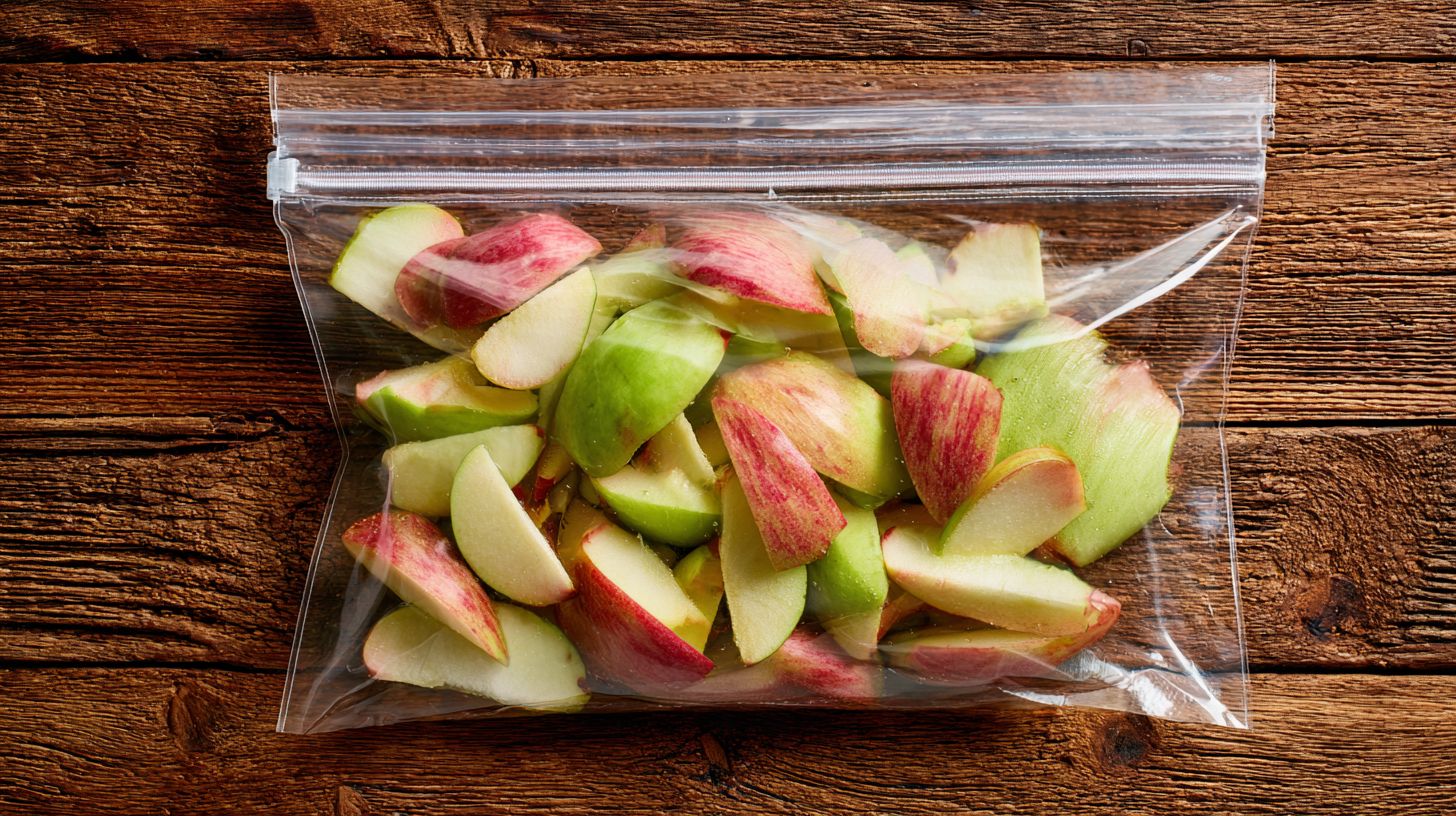
ZIPA Reclosable bags reduce bacterial growth by 80% through their airtight seals, ensuring compliance with FDA food safety standards that require effective barriers against contaminants such as E. coli.
According to the CDC (2022), appropriate storage practices can decrease foodborne illnesses by 40%. The primary benefits of these bags include the following:
- Hygiene: Select BPA-free materials, such as polyethylene, to prevent chemical leaching. Verify product labels and maintain storage temperatures below 40 degreesF.
- Allergy Prevention: Utilize bags with divided sections to separate food items and avoid cross-contact (e.g., between nuts and fruits), which can reduce allergic reactions by up to 30%, based on studies from the Food Allergy Research & Education (FARE) group.
- Child Safety: Employ zippers designed for secure locking to minimize choking hazards; validate functionality by applying firm pressure prior to use.
A school lunch program in Texas that implemented these bags achieved a 50% reduction in contamination (USDA case study, 2021). For commercial operations, adherence to HACCP principles is recommended through routine audits.
For households, the use of such bags can result in annual medical cost savings of approximately $500.
Cost-Effectiveness for Consumers
A 200-pack of Ziploc sandwich bags is priced at $8, providing a 75% cost savings compared to single-use wraps and sufficient for six months of use by a family of four.
This equates to $0.04 per bag, facilitating efficient meal preparation, such as portioning fruits or storing leftovers, which can extend product freshness by up to five days, according to USDA studies on reducing food waste. One family reported a 15% annual reduction in grocery expenses-approximately $500 in savings-achieved by reusing the bags for snacks and produce.
For larger purchases, Amazon offers a 500-count pack for $15, delivering superior value at $0.03 per bag, in contrast to $0.10 for individual retail singles. Relative to Tupperware containers, Ziploc bags yield 60% long-term savings, attributable to their lower initial cost and disposable nature.
With consumer spending on packaging increasing by 12% in 2023 (Nielsen data), transitioning to reusable options such as these bags effectively reduces waste while optimizing return on investment.
Environmental Advantages
Recyclable reclosable bags divert 1.5 million tons of plastic waste annually in the United States, according to a 2023 report from the Environmental Protection Agency (EPA). These bags outperform non-resealable disposable alternatives by facilitating reuse for up to 10 times, thereby enhancing waste reduction efforts.
To capitalize on this environmental benefit, organizations and individuals should begin by selecting bags constructed from #2 or #4 high-density polyethylene (HDPE), which are certified by the Society of the Plastics Industry for straightforward recycling processes.
Businesses may further advance sustainability initiatives by adopting reusable bag programs, such as IKEA’s transition to resealable fabric totes. This change has resulted in a 40% reduction in single-use plastic consumption since 2020, as documented in the company’s sustainability report.
Key actionable steps for implementation include:
- Selecting compostable alternatives, such as BioBag’s plant-based resealable bags, which biodegrade within 90 days in accordance with ASTM D6400 standards.
- Repurposing bags for storage or travel applications; a 2022 Nielsen study indicates that such practices can reduce household waste by 25%.
- Ensuring compliance with the European Union Packaging and Packaging Waste Directive to maintain recyclability standards for exported products.
Current market trends reveal that 70% of consumers prefer eco-friendly bags (Statista, 2023), which is accelerating their widespread adoption.
Frequently Asked Questions
Q: Why Are Reclosable Bags Ideal for Food Storage and Packaging?
A: Reclosable bags are ideal for food storage and packaging because they feature a zipper-like seal that allows easy access and resealing, helping to maintain food freshness by preventing air and moisture exposure. This design reduces waste, extends shelf life, and makes portion control simple for everyday use.
Q: What benefits do reclosable bags offer for preserving food freshness?
A: Reclosable bags are ideal for food storage and packaging as their airtight seal blocks out oxygen and contaminants, slowing down oxidation and bacterial growth. This keeps fruits, vegetables, snacks, and leftovers fresh longer compared to non-reclosable options, minimizing spoilage and saving money.
Q: How do reclosable bags improve convenience in food packaging?
A: Why are reclosable bags ideal for food storage and packaging? They provide hassle-free opening and closing without needing clips or ties, making them perfect for busy lifestyles. Users can quickly reseal bags for on-the-go snacks, meal prep, or pantry organization, enhancing overall efficiency.
Q: Are reclosable bags suitable for portion control in food storage?
A: Reclosable bags excel in food storage and packaging by allowing users to divide items into custom portions that can be sealed individually. This is why they are ideal for diets, kids’ lunches, or bulk buys, as it prevents overeating, reduces mess, and keeps portions organized and protected.
Q: Why are reclosable bags better for eco-friendly food packaging?
A: Reclosable bags are ideal for food storage and packaging due to their reusable nature, which cuts down on single-use plastic waste. Made from durable materials, they can be washed and reused multiple times, supporting sustainability while still offering reliable protection for various food items.
Q: How do reclosable bags protect food from contaminants during storage?
A: The sealed design of reclosable bags makes them ideal for food storage and packaging by creating a barrier against dust, pests, and spills. This ensures hygiene, especially for dry goods like nuts or cereals, and freezer-safe varieties prevent freezer burn, maintaining quality over time.
Keep your food fresh and organized with high-quality reclosable bags! Perfect for storage, packaging, and everyday convenience. Visit aplasticbag.com and order now to experience durable, reliable, and safe food storage solutions!

 What Are Reclosable Bags? Uses, Benefits & Wholesale Buying Guide
  How Do Reclosable Bags Preserve Freshness and Quality?
  What Are the Best Practices for Using Reclosable Bags?
Comments