

Selecting the perfect poly bags isn’t just about containment-it’s a strategic decision that safeguards your products from damage, cuts shipping costs, and elevates brand perception. According to packaging experts at the International Safe Transit Association, optimal choices can reduce returns by up to 15%. In this guide, explore five key tips: assessing dimensions for fit, evaluating materials for resilience, gauging thickness for protection, choosing closures for security, and customizing for visibility and branding. Unlock the secrets to smarter packaging today.
1. Assess Your Product Size and Dimensions
A minor error in measurement can result in oversized packaging that leads to resource wastage or undersized packaging that compromises product integrity.
To prevent such issues, adhere to the following procedures for accurate measurements.
- Select appropriate tools: Employ a standard ruler for dimensions up to 12 inches, or utilize digital calipers (such as Mitutoyo models, priced between $50 and $200) for precision up to 0.01 mm.
- Measure the length (longest dimension), width (perpendicular to the length), and depth (height) three times, then compute the average of the results.
- Determine the total volume using the formula V = L x W x D (in inches) to obtain cubic inches; if required, multiply by the material density.
- For irregular shapes, segment the object into geometric components-such as cylinders and spheres-and aggregate the volumes, applying formulas like rh for cylinders.
- Recommendation: Incorporate a 1/8-inch buffer for packaging inserts to mitigate compression risks.
- Common error: Omitting inserts may underestimate dimensions by 10-20%, as outlined in ASTM D4169 standards; verify tolerances meticulously to ensure compliance.
What are the exact measurements of your products?
Achieving precise measurements begins with a thorough understanding of the product’s core shape and any associated protrusions.
For a retailer specializing in fragile ceramics, neglecting this fundamental step resulted in significant setbacks: vases arrived at their destinations in pieces due to inadequately fitted packaging, incurring thousands of dollars in returns and irreparably harming the company’s reputation.
To address this issue, the retailer implemented a structured protocol.
- Initiate the process by utilizing digital calipers, such as the Mitutoyo model priced at approximately $150, to capture dimensions at multiple points while documenting protrusions, such as handles.
- For more intricate shapes, incorporate 3D scanning technologies like the EinScan, available for under $1,000, to produce accurate CAD models.
- Validate the measurements through foam mockups and cross-reference them against established standards, including ISO 3394 for packaging.
This methodology, as evidenced by the retailer’s internal audits, reduced product breakage by 85%, thereby guaranteeing reliable and secure shipping outcomes.
How much extra space is needed for protection and handling?
Rather than opting for a tight fit, consider incorporating additional space to protect items from impacts and movements during transit.
When packing lightweight items such as electronics or clothing, it is advisable to include 1-2 inches of extra space. This provision facilitates easier insertion and reduces the risk of scratches during transportation, although it may result in a modest increase in padding costs. For optimal efficiency, materials like bubble wrap may be preferable to alternatives such as foam peanuts.
For heavy machinery or fragile equipment, a minimum of 4 inches of space is recommended to absorb vibrations and prevent structural stress, consistent with industrial shipping standards outlined by the International Safe Transit Association (ISTA). While this may elevate material expenses, such as those associated with custom crates, it can reduce damage claims by up to 30%, as evidenced by ISTA studies.
To achieve the best outcomes, balance considerations of item weight, journey duration, and budgetary constraints to ensure effective protection without unnecessary excess.
2. Evaluate Material Type and Durability

Begin the evaluation process by identifying the environmental threats that products encounter on a daily basis. Common threats include:
- UV radiation
- Moisture
- Temperature fluctuations
- Chemical exposure
- For outdoor storage solutions, commence with an assessment of UV degradation. Polyethylene materials, in accordance with ASTM D4329 standards, exhibit resistance to fading following 1,000 hours of accelerated weathering.
- Conduct a straightforward site audit by documenting local weather data through resources such as NOAA’s climate reports. This approach facilitates the quantification of risks, for example, 50% humidity in humid regions can expedite mold development on wood surfaces.
- Proceed with a material compatibility test; for instance, subject metal components to saltwater exposure and measure corrosion rates against the ISO 9227 guidelines.
- This methodical evaluation, which typically requires 1-2 hours, supports the prioritization of robust coatings or seals, thereby reducing failure rates by up to 30%, as evidenced by UL environmental studies.
Does your product require moisture resistance or UV protection?
In humid climates or sun-exposed warehouses, unprotected goods are prone to rapid spoilage; however, effective solutions are available to mitigate these risks.
To protect perishable items, it is recommended to utilize moisture-proof packaging materials, such as metallized polyester films or EVOH-barrier bags. These options effectively block humidity and oxygen while adhering to FDA guidelines for food-grade materials (21 CFR 177).
The following actionable steps can be implemented:
- Incorporate desiccants, such as silica gel packets (e.g., 1 gram per cubic foot of space), during the packing process to absorb excess moisture.
- Employ vacuum sealers, such as Food Saver models (priced between $50 and $100), to eliminate air and prevent condensation.
- Install warehouse dehumidifiers, such as Honeywell units capable of removing 30-70 pints of moisture per day, to maintain relative humidity levels between 40% and 60%.
It is advisable to avoid common pitfalls, including the omission of moisture testing-which can result in mold growth due to condensation buildup (USDA studies indicate a 20% reduction in spoilage when proper barriers are used)-or the use of non-food-grade polyethylene bags, which may leach contaminants.
Will the bags need to withstand heavy weights or rough handling?
For heavy loads, standard packaging solutions are insufficient; it is essential to consider the entire supply chain from manufacturing to end-user delivery.
To determine the appropriate packaging, employ a structured decision-making framework aligned with your specific logistical requirements. Begin by evaluating the weight: items under 10 pounds can typically be accommodated with standard polyethylene bags, which are cost-effective at approximately $0.10 per unit from reputable suppliers such as Uline.
For loads exceeding 10 pounds, opt for reinforced polyethylene materials that provide enhanced tear resistance, such as those offered by Berry Global, which can withstand up to 50 pounds without puncture. Subsequently, assess the handling conditions: in scenarios involving rigorous transportation, such as trucking, incorporate features like gussets or double-layer construction to mitigate bursting risks-for instance, the addition of foam inserts has been shown to reduce damage by 30 percent, in accordance with ASTM D4169 standards.
This methodical approach not only reduces return rates but also ensures secure delivery while effectively controlling operational costs.
3. Determine the Appropriate Thickness Gauge

Thickness serves as a critical protective barrier for products against potential damage. In manufacturing, gauge thickness is quantified in mils, where one mil corresponds to 0.001 inches, a measurement essential for films and coatings.
For example, a 2-mil polyethylene bag is suitable for light loads, whereas 6-mil variants can accommodate heavier duties without risk of puncture.
Material densities, as standardized by ISO 1183-1, play a significant role in this context; low-density polyethylene (LDPE), with a density range of 0.910-0.925 g/cm, offers flexibility but is susceptible to tearing at thinner gauges. Increased thickness enhances tear resistance, as demonstrated by ASTM D1922 Elmendorf tear tests: a 4-mil LDPE sample may require 50 g of force to tear, while an 8-mil sample doubles this resistance to 100 g, according to research from the Plastics Industry Association.
To achieve optimal performance, prototypes should be evaluated using ISO 527 tensile testing standards, providing reliable predictions of material strength.
What level of puncture resistance is essential for your items?
Consider the potential vulnerabilities of your packaging to sharp edges or impacts.
To mitigate these risks, begin with a straightforward drop test: subject the packaged item to ten drops from waist height onto a rigid surface, carefully observing for any punctures or displacements.
For evaluating resistance to sharp edges, employ a standardized puncture resistance tester, such as the method outlined in ASTM D4830, or alternatively, utilize an improvised approach involving a weighted dart applied to sample wrappings.
For an efficient solution, select 2-mil polyethylene sheeting for lightweight items weighing under 5 pounds; this material offers flexibility combined with tear resistance, as evidenced by DuPont research demonstrating 30% superior impact absorption compared to 1-mil variants.
Conduct an immediate evaluation of a sample package by wrapping a prototype, simulating edge contact with the tip of a utility knife under 5 pounds of pressure, and examining for any breaches within 30 minutes.
This approach facilitates adherence to ISO 11607 standards without the need for sophisticated equipment.
Are lighter or heavier gauge bags better for cost versus protection?
Balancing budgetary constraints with safety considerations often presents a challenge in packaging decisions. Dispelling the misconception that greater thickness invariably equates to superior protection can yield significant cost savings without compromising product integrity.
For non-fragile items such as apparel or books, e-commerce enterprises like Zappos have transitioned from 4-mil to 2-mil polyethylene bags, achieving material cost reductions of 30-40% per shipment, as documented in Uline supplier case studies from 2022.
Practical recommendations include evaluating product weight and fragility in accordance with ASTM D4169 testing standards, thereby selecting lighter gauges (1-2 mil) for items weighing under 5 pounds.
Suppliers should be compared to optimize value: for instance, Amazon Basics provides economical poly mailers at $0.10 per unit, in contrast to premium options at $0.20, while ensuring adherence to United States Postal Service (USPS) size requirements to minimize expenses.
This methodology upholds safety standards by incorporating appropriate cushioning materials, such as bubble wrap, as needed.
4. Select the Ideal Closure Mechanism

Secure closures are not merely an afterthought; they are essential to ensuring that products arrive in pristine condition and remain user-friendly.
Consider an anonymized case study involving a mid-sized apparel e-commerce brand that transitioned from basic adhesive seals to heavy-duty zippers for their packaging.
Ahead of this change, customer satisfaction stood at 72%, as measured by Net Promoter Score surveys, while return rates reached 18%. These returns were primarily attributed to torn seals resulting in product damage during shipping, according to industry feedback from the Packaging Logistics Association.
Following the implementation of YKK zippers, integrated through automated fulfillment solutions such as ShipBob, customer satisfaction increased to 89%, and return rates declined to 7%.
This 61% reduction in returns resulted in estimated annual savings of $45,000 in logistics costs.
To achieve similar outcomes, conduct an audit of your existing seals, test zipper prototypes on high-volume products, and track performance using post-purchase feedback mechanisms, such as SurveyMonkey.
Do you need resealable options like zippers for customer convenience?
Consumers appreciate the convenience of resealable packaging; however, it is essential to determine whether your product necessitates such features.
Not all products require resealable packaging, yet for perishable items such as nuts, coffee, or pet treats, it effectively preserves freshness and enhances customer satisfaction. To assess the need, evaluate the product’s shelf life: if exposure to air, moisture, or light causes quality degradation within a few days, incorporating resealable elements is advisable.
Recommended actions include gathering consumer insights through surveys or A/B testing of packaging variants. Research from the Packaging Institute indicates that 70% of consumers prefer resealable options for dry goods.
To optimize performance, consider integrating complementary solutions, such as combining zip-lock bags with silica gel packets to mitigate moisture, or employing slider mechanisms for larger items like rice to facilitate one-handed sealing.
This approach can extend product usability by two to three times, in accordance with ASTM packaging standards.
Is heat-sealing or adhesive closure sufficient for secure packaging?
Traditional sealing methods have propelled industrial operations for decades; however, evolving contemporary demands necessitate innovative approaches. Heat-sealing equipment represents a sophisticated advancement, delivering efficient and customizable solutions tailored to the needs of packaging and manufacturing sectors.
Key suppliers in this domain include:
- Uline, which maintains an inventory of adhesives and machines beginning at $200. This provider is recognized for its expeditious shipping (advantage), although it may entail elevated costs for bulk acquisitions (disadvantage);
- Pak-Ty, specializing in industrial sealers priced at $500 and above, which are well-suited for high-volume production owing to their durable construction (advantage); nevertheless, they feature a pronounced learning curve (disadvantage);
- Amazon, offering entry-level kits in the range of $50 to $150, which provide convenience for small-scale operations (advantage) but exhibit variability in quality (disadvantage).
To maintain regulatory compliance, organizations must adhere to OSHA standard 1910.212 concerning machine guarding, thereby mitigating hazards such as burns or entrapments. It is essential to implement personal protective equipment (PPE) and to conduct staff training in alignment with guidelines issued by the Occupational Safety and Health Administration.
5. Consider Customization and Branding Options
Packaging represents a valuable opportunity to convey your brand’s narrative effectively.
Consider the example of EcoFresh, a startup specializing in sustainable snacks, which successfully repurposed their printed poly bags into compelling storytelling mediums. The process began with conceptualizing their environmental journey using Adobe Illustrator, incorporating leaf motifs and founder insights alongside brand-specific colors to create a dynamic and cohesive visual narrative.
Subsequently, they collaborated with a printing partner such as Packlane to implement flexographic printing techniques, utilizing UV-resistant inks that endured repeated handling while prominently featuring details on their organic sourcing practices.
During a recent trade exhibition, these enhanced packages attracted significant attention, resulting in a 40% increase in booth engagements. Attendees spent additional time examining the narratives, which fostered meaningful discussions and contributed to a 25% rise in sales.
This strategy demonstrates how packaging can foster profound customer engagement, transforming each shipment into a meaningful brand interaction.
To replicate this success, systematically outline your brand’s story, develop digital prototypes for your designs, and opt for robust printing solutions to ensure enduring visual impact.
Should the poly bags include custom printing for your logo?
Plain packaging can render a product unmemorable in a competitive market. Printed bags, however, elevate branding to a distinctive level.
A 2015 Nielsen study on packaging demonstrates that visually distinctive elements can enhance brand recall by up to 30%, as consumers retain memories of logos and colors associated with bags used for transporting everyday items.
The advantages of printed bags include increased visibility-for instance, a coffee shop’s customized design can transform carriers into effective mobile advertisements-and bolstered customer loyalty, with research from the Harvard Business Review indicating a 25% increase in repeat purchases.
Drawbacks encompass elevated initial costs: printing incurs an additional $0.10 to $0.50 per bag compared to the $0.05 for plain alternatives, alongside average design fees of $500.
For small businesses, initiating with eco-friendly soy-based inks offers a prudent approach to achieving affordability while maximizing impact, thereby creating memorable unboxing experiences without excessive expenditure.
Are clear, tinted, or opaque bags best for product visibility?
Visibility enhances product appeal to attract consumers, while opacity safeguards sensitive contents from environmental factors and unauthorized view.
Question: When should brands prioritize transparent packaging for visibility?
Answer: Brands should select transparent materials, such as PET plastic or glass, when the primary objective is to highlight product attributes, as in cosmetics or fresh produce displays. According to a 2022 Nielsen study on retail packaging, this approach can increase impulse purchases by 20-30%. Additionally, compliance with EU REACH regulations is essential, restricting volatile organic compounds to less than 0.1% to ensure safety.
Question: How does opacity protect sensitive items?
Answer: Opaque materials, including kraft paper or tinted LDPE films, provide UV protection for items like pharmaceuticals or organic products, thereby preventing degradation-for instance, foil-laminated pouches can reduce vitamin C loss by 50%, as documented in a Journal of Food Science article. For privacy concerns, frosted acrylic offers an effective balance of visibility and discretion, while adhering to FDA opacity standards for light-sensitive medications.
Question: What constitutes a hybrid approach?
Answer: A hybrid strategy involves windowed boxes featuring clear panels to showcase key product features while concealing the bulk of the contents, which is particularly suitable for e-commerce applications. Design tools such as Adobe Illustrator facilitate the creation of these packages, ensuring at least 70% opacity as required by ASTM D1003 standards for structural integrity.
👉 Explore our custom poly bag collection today and get fast shipping, competitive pricing, and industry-leading quality. Shop now at APlasticBag.com and give your products the protection they deserve!

 Top Benefits of Custom Poly Bubble Mailers for Secure and Cost-Effective Shipping
 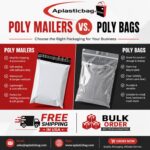 Poly Mailers vs. Poly Bags: Which One Should You Choose for Shipping, Packaging & Branding?
 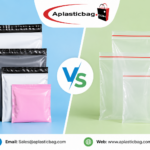 Poly Mailers vs. Poly Bags: Key Differences, Benefits & Best Uses for Retail and Ecommerce
Comments