
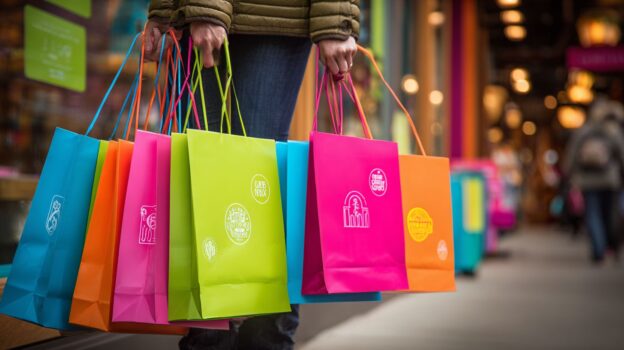
In the bustling world of retail, where first impressions drive loyalty, packaging isn’t just functional-it’s a brand ambassador. Paper die cut handle bags emerge as a smart choice, blending sustainability with standout design to elevate your market presence. Explore six compelling benefits, including eco-friendly branding, customizable recognition, and durable versatility, plus tips on customization and suitability for diverse retail needs.
1. Eco-Friendly Appeal Boosts Brand Image
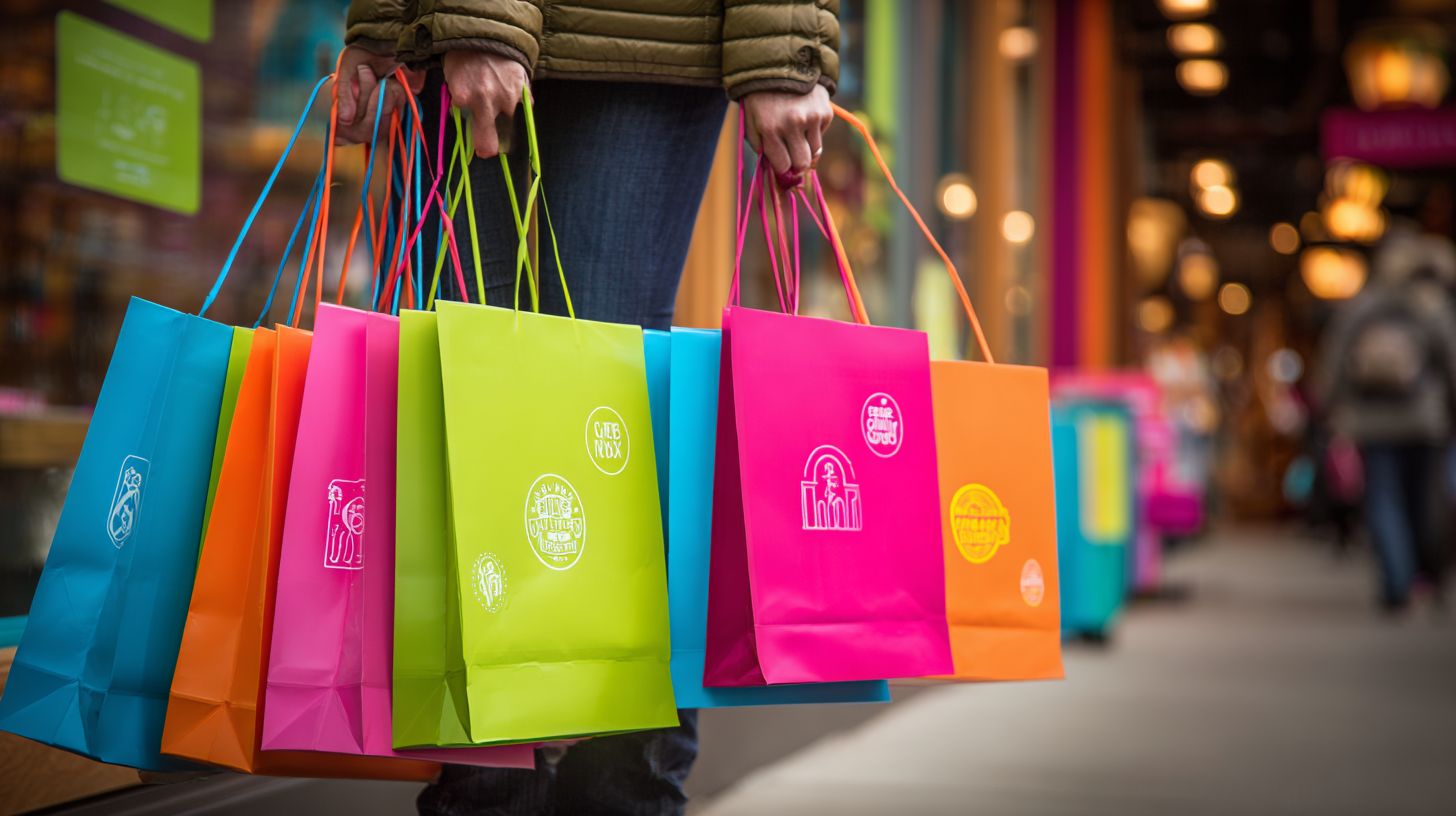
Envision entering a retail environment where each transaction contributes to environmental stewardship-this illustrates the efficacy of sustainable packaging solutions.
To incorporate eco-friendly paper die cut handle bags into your branding strategy, adhere to the following structured approach.
- Begin by selecting sustainable materials, such as FSC-certified recycled kraft paper, which reduces deforestation by 30% as documented by the Forest Stewardship Council (FSC.org). Choose soy-based inks to minimize the emission of toxic substances.
- Evaluate potential suppliers by verifying certifications through platforms like EcoVadis and requesting independent audits; for instance, engage with U.S.-based firms such as PackSavvy Solutions to ensure supply chain transparency.
- Promote the benefits via in-store displays, email communications, and social media channels-emphasize the reduction in plastic waste, which aligns with the circular economy principles outlined by the Ellen MacArthur Foundation.
This implementation fosters greater brand loyalty while achieving cost reductions of 15-20% through the adoption of reusable packaging alternatives.
2. Customizable Designs Enhance Brand Recognition
In a competitive marketplace, differentiating one’s brand necessitates more than a mere logo; it requires packaging that effectively communicates the brand narrative at every customer interaction point.
For a small boutique in New York, limited brand recall resulted in customers visiting only once and subsequently overlooking the store amid numerous competitors. Confronted with a 20% repeat purchase rate-substantially below the industry average of 35% as reported by Nielsen retail studies-the boutique shifted its strategy to incorporate customized custom paper die-cut handle bags.
These bags showcased hand-illustrated motifs inspired by the boutique’s artisanal jewelry, produced using eco-friendly inks to deliver a tactile and narrative-rich unboxing experience.
Practical implementation involved collaborating with suppliers such as PackSavvy Solutions, where custom designs were available starting at $0.50 per bag for bulk orders of 500 units.
Following this adoption, foot traffic increased by 40%, a result comparable to the success of Anthropologie’s branded totes, which enhanced brand recall by 25% according to a 2022 Packaging Digest report.
This strategic adjustment transformed each customer departure into an instance of mobile advertising, thereby cultivating customer loyalty without incurring substantial marketing expenses.
3. Cost-Effective Solution for High-Volume Retail
Consider the inefficiencies of excessive expenditure on packaging materials when more judicious alternatives can achieve substantial cost reductions while maintaining product quality.
For high-volume retail operations, it is advisable to evaluate paper die-cut handle bags against plastic and cloth options in terms of cost, scalability, and long-term value.
Paper bags provide robust durability complemented by environmental appeal, with production costs ranging from 5 to 10 cents per unit according to data from the U.S. Packaging Institute. They scale efficiently to millions of units through automated printing processes.
Plastic bags represent the most economical choice at 1 to 5 cents per unit; however, they are subject to regulatory restrictions, such as the EU Directive 2015/720, and exhibit limited recyclability.
Cloth bags, priced at $0.50 to $2 per unit initially, emphasize reusability but constrain scalability owing to elevated upfront investments. They are particularly suitable for branding initiatives, as evidenced by a 2022 Nielsen study on sustainable packaging.
Selecting paper bags strikes an optimal balance between cost savings and regulatory compliance.
4. Durable Construction Ensures Customer Satisfaction
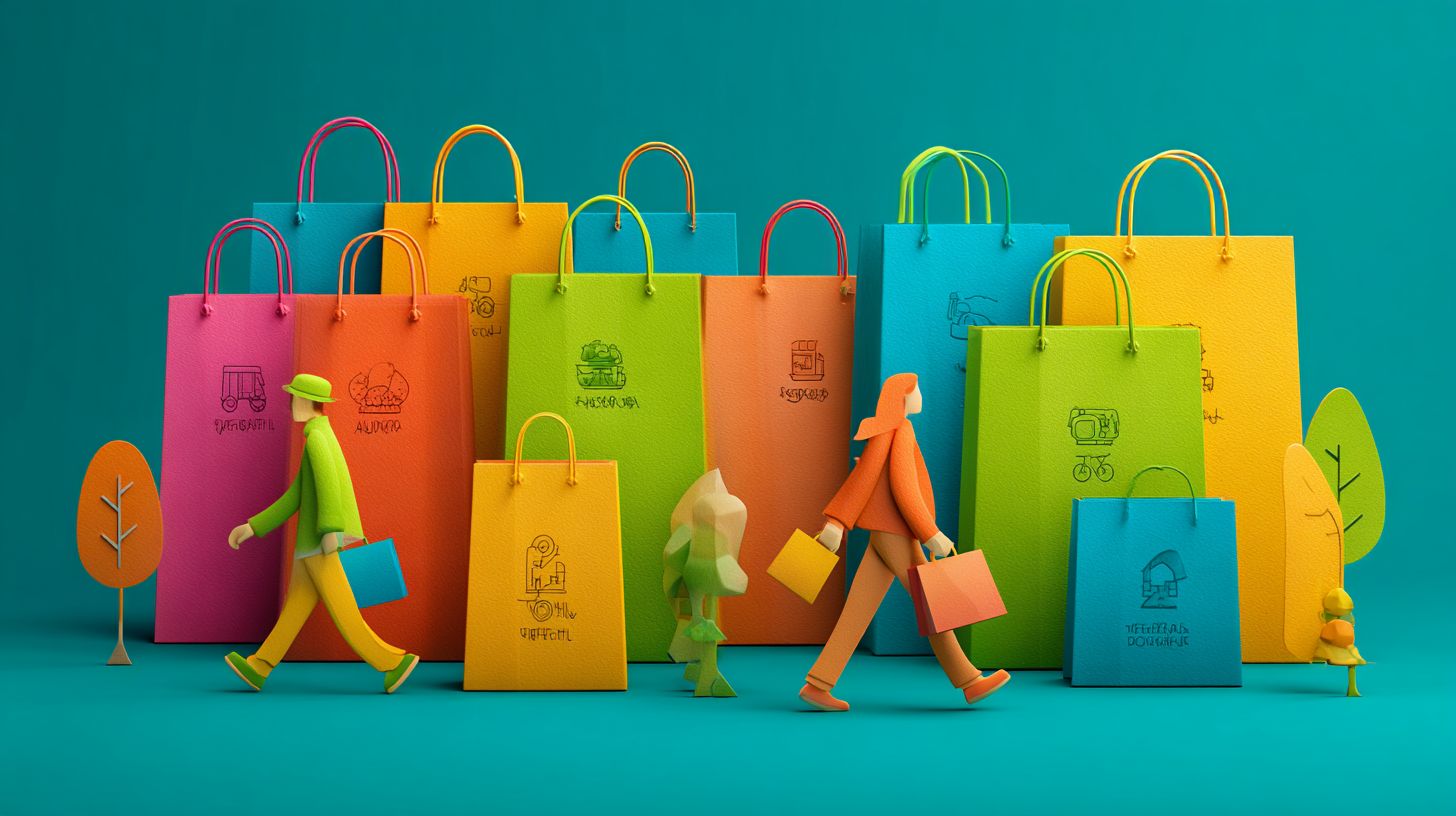
Imagine a customer carrying multiple bags on a rainy day, only for them to tear-a scenario that can be averted through the judicious selection of appropriate packaging.
However, many retailers encounter common errors when choosing durable paper bags. The following outlines the five most prevalent mistakes, along with strategies to avoid them and thereby enhance customer satisfaction:
- Disregarding load capacity: Selecting bags incapable of supporting 20-30 lbs can result in spills and product loss. Mitigation: Review product specifications and perform load tests using weights representative of typical customer purchases.
- Overlooking material thickness: Paper with a low basis weight, such as 50 gsm, is prone to tearing. Recommendation: Opt for 80-100 gsm kraft paper, as endorsed by the Paper Bag Institute.
- Neglecting weather resistance: Conventional bags readily absorb moisture in inclement weather. Solution: Choose polyethylene-coated or waxed variants designed to repel water.
- Underestimating handle durability: Fragile flat handles may fail under moderate loads. Best practice: Select twisted paper handles certified to withstand 15 lbs or more, in accordance with ASTM standards.
- Omitting quality certifications: Bags without verification are likely to underperform over time. Approach: Confirm adherence to FSC or ISO 9001 standards to guarantee reliability and environmental sustainability.
5. Professional Appearance Elevates Shopping Experience
The receipt of a bag by a shopper can elevate an ordinary transaction into a memorable experience. As a packaging design specialist, I have observed that carefully considered aesthetics significantly enhance brand perception.
Question: How does packaging influence perceived value?
Answer: Packaging conveys quality instantaneously. Research from the Journal of Consumer Research (2019) demonstrates that premium packaging increases consumers’ willingness to pay by 20-30%.
Incorporating matte finishes and embossed logos imparts a tactile sense of luxury, as exemplified by Apple’s minimalist packaging solutions.
Question: What design elements contribute to a premium feel?
Answer: Employ paper with a high GSM rating (250 or above), utilize custom die-cuts for structural integrity, and select subdued color palettes such as navy and gold. Tools like Adobe Illustrator are effective for prototyping these elements; subsequent refinement through focus group testing is advisable.
This approach transforms the checkout process into a strategic opportunity for building customer loyalty.
6. Versatile Usage Supports Multiple Retail Applications
From boutique storefronts to supermarket checkouts, one form of packaging demonstrates remarkable versatility in meeting varied requirements. Paper Imprinted die-cut handle bags, as illustrated by Macy’s 2022 sustainability initiative, exemplify this adaptability.
This leading multi-category retailer introduced 100% recycled paper bags featuring durable die-cut handles across its apparel, gifts, and groceries departments.
In the apparel sector, these bags enabled staff to reduce bagging time by 25% through their flat-fold design, which allows for efficient volume adjustments. For gifts, the option for customizable prints enhanced the unboxing experience, adding aesthetic value. In groceries, the spill-resistant bases minimized waste and improved practicality.
The rollout involved comprehensive supplier training and integration with point-of-sale systems, with each bag costing $0.15-an amount 20% lower than comparable plastic alternatives.
Post-implementation surveys indicated 78% customer satisfaction with the bags’ eco-friendliness and portability, contributing to a 12% increase in repeat visits, according to Nielsen data.
How Do Paper Die Cut Handle Bags Promote Sustainability?
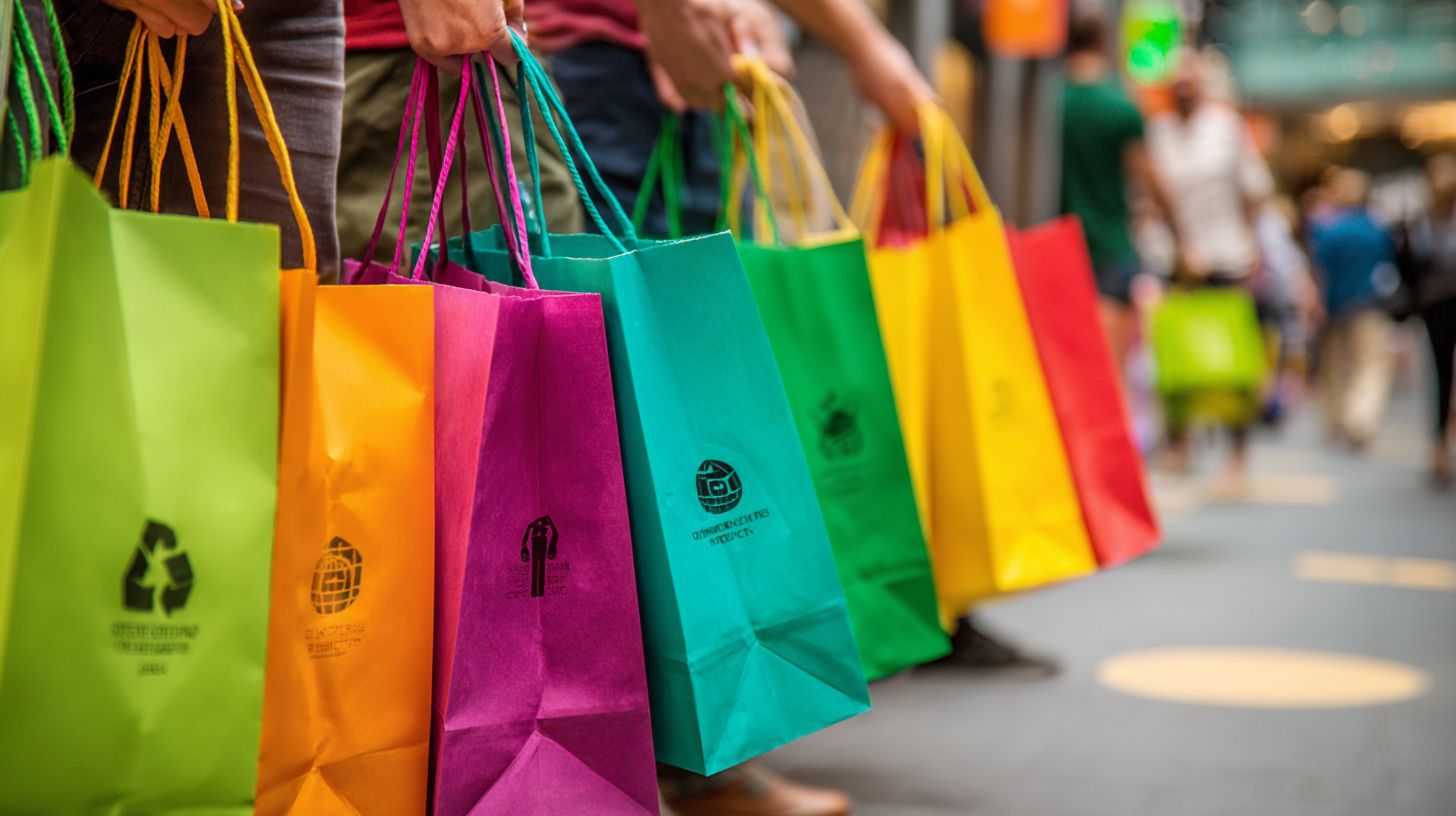
Sustainability represents more than a mere trend; it constitutes a strategic imperative that paper die cut handle bags enable for retailers in a practical manner.
The product lifecycle commences with sourcing materials from forests certified by the Forest Stewardship Council (FSC). This certification upholds rigorous standards for responsible harvesting, thereby safeguarding biodiversity and soil integrity.
Globally, over 200 million hectares of forestland are managed under FSC guidelines.
The production phase entails die-cutting kraft paper, a method that consumes approximately 70% less energy than traditional plastic bag manufacturing, according to a 2022 study by the Ellen MacArthur Foundation. This approach substantially reduces carbon emissions, particularly at facilities in Europe that comply with the EU Circular Economy Action Plan.
At the end of their lifecycle, these bags biodegrade within 3 to 6 months or can be recycled into new paper products, thereby completing the circular process and diminishing landfill waste by as much as 90% in comparison to non-biodegradable options. This functionality equips retailers to achieve their sustainability objectives effectively.
Why are they biodegradable compared to plastic alternatives?
It is noteworthy that plastic persists in landfills for centuries, whereas paper alternatives decompose naturally within mere months.
This transition affords retailers a sustainable competitive advantage, mitigating environmental impact while resonating with environmentally conscious consumers. According to a 2023 EPA report, the adoption of biodegradable paper bags can reduce plastic waste by up to 90% in retail operations.
For expedited benefits, implement the following four immediate actions:
- Audit current packaging: Conduct an inventory of plastic bag usage over a one-week period to quantify volume and costs, targeting an initial replacement of 50% to achieve a rapid return on investment.
- Verify certifications: Procure bags certified under ASTM D6400 for compostability or FSC for sustainable forestry; consult the Biodegradable Products Institute database to assess suppliers.
- Transition suppliers: Engage vetted providers such as EcoEnclose or PackSavvy Solutions for bulk orders, negotiating trial shipments of 1,000 units to evaluate durability without initial financial commitment.
- Pilot and promote: Introduce the change in a single store section, gathering customer feedback through concise surveys; advertise the initiative in-store with signage emphasizing the months-long decomposition of paper bags in contrast to plastic’s centuries-long persistence. This process typically spans 2-4 weeks and fosters enhanced brand loyalty.
How can retailers highlight eco-credentials on packaging?
Communicate your commitment to sustainability directly on the packaging, transforming it into an effective medium for storytelling.
Incorporate prominent eco-labels, such as the Forest Stewardship Council (FSC) certification or icons denoting recycled content. According to a 2022 Nielsen study, these labels influence 78% of consumers in their decision to select sustainable products.
Contrary to the misconception that eco-labels have minimal impact on purchasing behavior, research from the Harvard Business Review indicates they can increase sales by up to 20%.
To implement these strategies effectively, consider using plant-based inks and including a QR code that directs consumers to your carbon footprint report.
Emphasize the use of recycled materials through clear statements, such as “Made from 80% post-consumer waste,” while maintaining cost efficiency by partnering with suppliers like Packhelp.
This approach builds consumer trust without necessitating increases in premium pricing.
What Customization Options Maximize Branding Impact?
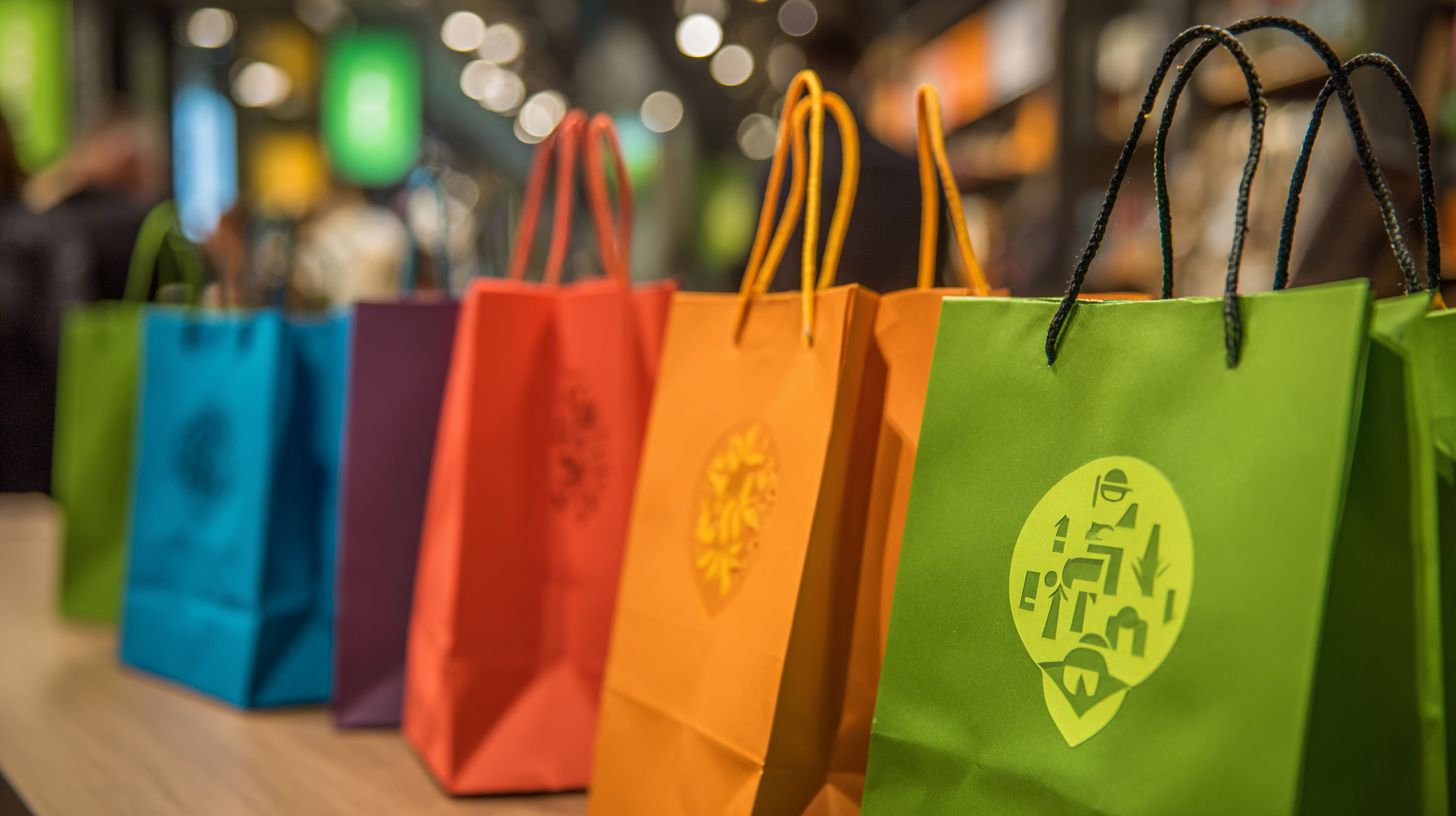
Customization is not simply a matter of incorporating extraneous features; it represents a strategic imperative for cultivating enduring relationships with customers.
By personalizing paper bags with a brand’s logo, color scheme, and distinctive messaging, organizations can deliver compelling unboxing experiences that promote customer retention and repeat engagement.
To initiate the design phase, employ professional tools such as Adobe Illustrator for creating precise vector graphics (adobe.com) or Canva for intuitive template-based workflows (canva.com).
For production, engage established vendors including UPrinting, which provides sustainable options beginning at $0.10 per bag (uprinting.com), or Packhelp for tailored dimensions (packhelp.com).
Adherence to the United States Patent and Trademark Office (USPTO) guidelines is essential to protect intellectual property and branding assets (uspto.gov). Additionally, reference the Sustainable Packaging Coalition directory to source verified and reliable suppliers (sustainablepackaging.org).
This structured approach enhances customer loyalty while upholding standards of quality and regulatory compliance.
Which printing techniques work best for logos and colors?
Selecting the appropriate printing method is essential for enhancing the visual impact of your logo while maintaining environmental sustainability and cost efficiency.
- Assess the budget first:For budgets under $500 and print runs of fewer than 500 units, digital printing-such as that utilizing HP Indigo presses-is recommended.This method employs vegetable-based inks and accommodates recycled paper without the need for plates.For budgets ranging from $1,000 to $5,000 and runs exceeding 1,000 units, offset lithography provides a cost-effective solution per unit and is compatible with soy-based inks, which align with EPA guidelines for reduced volatile organic compound (VOC) emissions.
- Choose suitable ink types: Opt for water-based inks to promote environmental friendliness, particularly on absorbent stocks.
- Consider appropriate finishes: Apply matte lamination to minimize glare on textured papers, or utilize spot UV coating to achieve glossy highlights on coated stocks.
- Verify material compatibility:Conduct thorough testing to ensure optimal results-for instance, avoid using metallic inks on uncoated recycled paper to prevent ink bleeding.This systematic approach guarantees vibrant, sustainable outcomes.
How do die-cut handles add a unique touch to designs?
It is noteworthy that a simple handle can transform a bag from merely functional to fashionable. Consider LuxeThreads, a mid-sized fashion retailer that encountered difficulties in generating viral unboxing videos.
The company addressed this challenge through innovation, introducing custom die-cut handles shaped like intertwined vines and constructed from eco-friendly cardstock to deliver a premium tactile experience.
The design process began with structured brainstorming sessions inspired by Art Deco motifs, followed by precise sketching in Adobe Illustrator to ensure scalability across production volumes. Prototypes were fabricated using laser-cutting methods and rigorously tested for durability.
Final production was achieved via offset printing in partnership with a local supplier, at a cost of $0.50 per unit.
This visually compelling packaging yielded substantial results, including a 300% increase in social media shares within three months. The hashtag #LuxeUnbox emerged as a trending topic, while customer-generated content enhanced engagement by 45%, according to internal analytics.
Are They Suitable for Various Retail Environments?
Adapting packaging solutions to suit diverse retail environments is essential in the contemporary marketplace.
Paper die-cut handle bags provide exceptional versatility for boutiques, supermarkets, and events, owing to their customizable designs, durable construction, and environmentally sustainable materials.
In boutique settings, these bags feature refined finishes such as matte lamination and foil stamping, which elevate luxury branding and enable tailored personalization for premium apparel.
Supermarkets derive significant advantages from high-capacity variants capable of supporting loads of up to 15 kg, equipped with reinforced handles to facilitate efficient bulk handling. These options are fully compliant with regulatory standards, including the EU Directive 94/62/EC on packaging and packaging waste.
For events, lightweight and foldable designs adorned with vibrant prints enable rapid distribution. Research from the Packaging Institute indicates that branded carriers enhance consumer recall by 20%.
Selection should be guided by volume requirements; for optimal durability across all applications, 100 gsm kraft paper is recommended.
What sizes and shapes fit different product types?
Selecting the appropriate size requires precision, aligning the garment’s form with its intended function to achieve optimal protection and aesthetic appeal.
Q: How do I determine the right size for protective clothing like workwear gloves or jackets?
A: To ascertain the correct size for protective clothing such as workwear gloves or jackets, measure essential body dimensions using a flexible tape measure.
For gloves, encircle the palm and incorporate an additional 0.5 inches for comfort. For jackets, measure the chest at its fullest point and add 2 to 4 inches to accommodate layering. Adhere to OSHA guidelines (29 CFR 1910.132) for fit standards that promote mobility without compromising safety. For example, a size M glove for mechanics suits a 9-inch hand circumference, thereby minimizing slippage during tool handling.
Q: How to handle bulky items in sizing?
A: Select garments featuring adjustable elements, such as Velcro straps or drawstrings, to accommodate bulkier items.
For winter gear with substantial insulation, choose one size larger than the standard measurement (e.g., large for a medium base) in accordance with REI’s sizing chart, which facilitates insulation without excessive volume. Validate the fit through range-of-motion tests, such as bending the elbows, to confirm unrestricted movement. This methodology ensures equilibrium between protective efficacy (e.g., resistance to cold as specified in ASTM F903 standards) and a refined appearance.
How do they compare in durability to other paper bags?
When evaluating the durability of custom paper bags under pressure, it is essential to recognize that not all options perform equally.
Overreliance on assumptions regarding durability frequently results in four prevalent pitfalls.
- Overlooking gusseting: Bags with shallow side gussets are prone to collapse under load. Recommended solution: Select bags featuring at least 4-inch gussets, such as those offered by International Paper, which have been validated through retail testing to bear loads exceeding 50 pounds.
- Ignoring handle reinforcement: Handles with inadequate twisting are susceptible to tearing. Enhancement options include utilizing twisted paper construction or incorporating fabric overlays, which can double the overall strength.
- Underestimating paper weight: Materials lighter than 50 grams per square meter (gsm) are likely to tear prematurely. It is advisable to opt for kraft paper weighing 70 gsm or more, in accordance with ASTM standards.
- Neglecting moisture resistance: Conventional paper bags may degrade in humid environments. Employ polyethylene (PE)-coated variants to increase durability by up to 30%, as demonstrated in studies conducted by the Paper Packaging Council.
Frequently Asked Questions (FAQ)
1. What are paper die cut handle bags?
Paper die cut handle bags are retail packaging bags made from strong paper material with handles cut directly into the top of the bag. They offer a sleek appearance and are commonly used for retail shopping and promotional packaging.
2. Are paper die cut handle bags durable for retail use?
Yes. High-quality die cut handle bags are made from thick kraft or coated paper that can safely carry clothing, accessories, cosmetics, and other retail products.
3. Can I customize paper die cut handle bags with my logo?
Absolutely. At Aplasticbag, you can customize your bags with logos, brand colors, product information, and promotional graphics to create strong brand visibility.
4. Are paper die cut handle bags eco-friendly?
Most paper die cut handle bags are made from recyclable and biodegradable materials, making them a more sustainable packaging option compared to plastic bags.
5. What businesses commonly use paper die cut handle bags?
These bags are widely used by retail stores, boutiques, jewelry shops, gift stores, bakeries, and promotional brands that want stylish and practical packaging.
6. How can I order paper die cut handle bags in the USA?
You can easily order online at Aplasticbag.com. Simply choose your preferred size, material, and customization options, and our team will help produce high-quality branded bags for your business.
Strengthen your retail branding with durable and eco-friendly paper die cut handle bags designed to impress every customer. At Aplasticbag, we offer high-quality custom packaging solutions that help businesses across the USA showcase their brand professionally while supporting sustainable packaging choices.
Whether you need bags for boutiques, grocery stores, gift shops, or promotional events, our customizable paper die cut handle bags provide the perfect balance of strength, style, and brand visibility.
Order now from Aplasticbag.com and give your retail packaging a professional upgrade. Our team is ready to help businesses across the United States create custom paper bags that elevate brand identity and enhance the customer shopping experience. Start your order today and make your packaging work as a powerful marketing tool.
👉 Boost your brand image today! Explore our wide range of Paper Die Cut Handle Bags and start customizing yours now at Aplasticbag.com. Order now and make your packaging work as hard as your products do!

 Paper Die Cut Handle Bags: Perfect for Retail and Gift Packaging
  Why Should You Choose Paper Die Cut Handle Bags for Eco-Friendly Packaging?
  What Are the Key Features to Look for in Quality Paper Die Cut Handle Bags?
Comments