

In the fast-paced retail world, where first impressions drive sales, choosing the right packaging can make all the difference. Custom Rigid snap handle bags stand out as a robust solution, outperforming standard plastics in strength and appeal, according to packaging experts at the Retail Packaging Association. This article explores six compelling benefits: from superior durability for heavy loads and premium branding, to cost savings, sustainability, enhanced customer loyalty, and versatile applications-unlocking efficiencies that elevate your retail edge.
1. Enhanced Durability for Heavy Loads
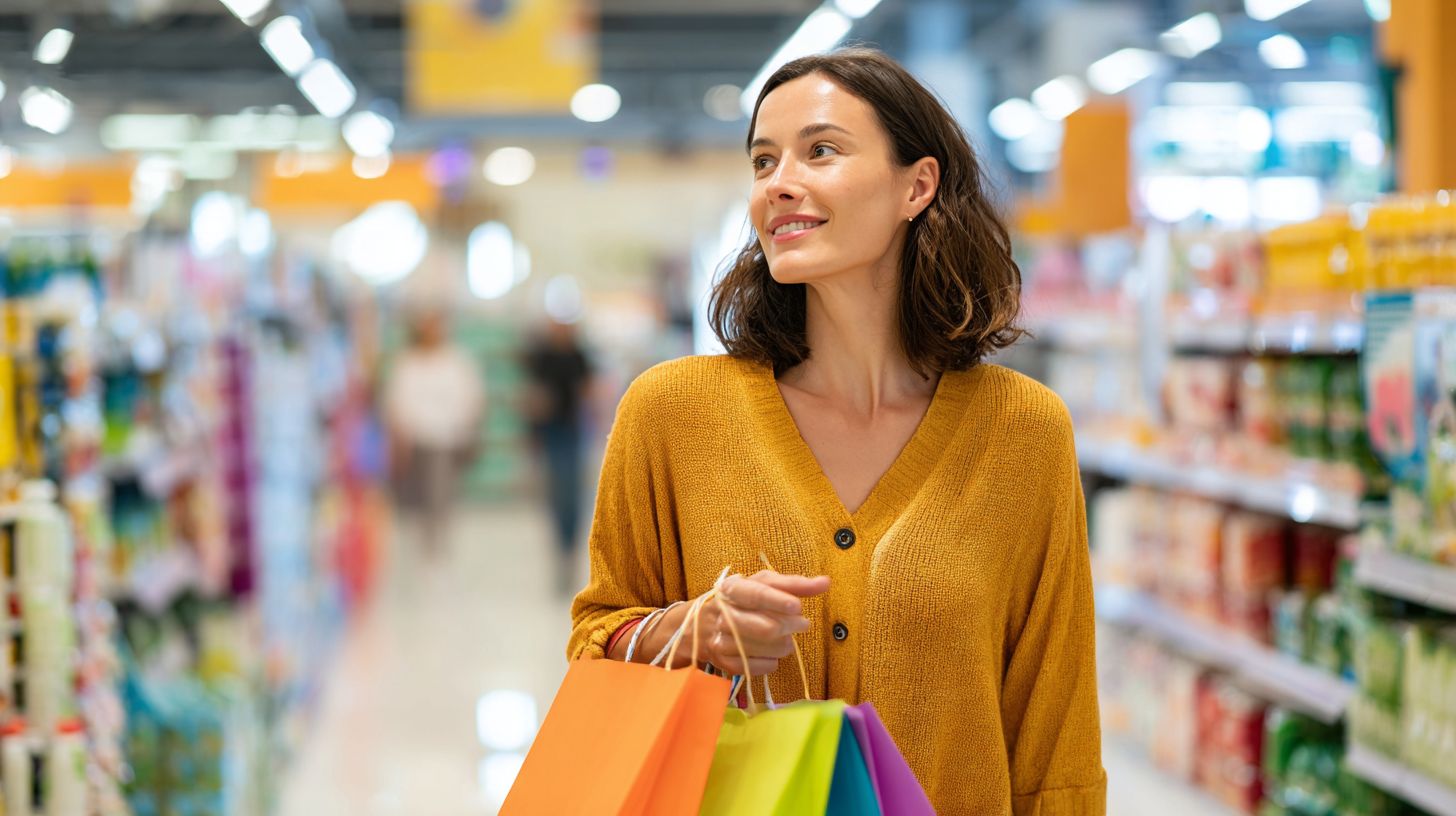
To achieve a retail environment where customers can transport heavy purchases without bag failure, implement durable reusable shopping bags through the following structured implementation guide.
- Select and Source Bags: Procure heavy-duty polypropylene bags capable of supporting loads exceeding 50 pounds, such as those compliant with ASTM D4169 standards for drop and compression testing. Obtain these from reputable suppliers like Uline or WebstaurantStore, where bulk orders are available starting at $0.50 per unit.
- Conduct Load Testing: Establish a dedicated testing station equipped with calibrated weights (for example, 20- to 75-pound sandbags) and a tensile testing instrument, such as the Instron 6800 series. Replicate retail conditions by filling the bags with grocery items; systematically evaluate critical stress areas-including handles, seams, and bases-through the use of diagrams that identify potential failure zones (e.g., simple line drawings incorporating tension indicators at seam lines).
- Integrate into Operations: Provide staff training through concise 30-minute sessions focused on optimal loading methods, with particular emphasis on uniform weight distribution. Introduce the bags operationally by positioning them at checkout stations for a $1 premium sale; monitor performance over a 30-day period, targeting a failure rate below 1% in accordance with Nielsen retail industry benchmarks.This approach facilitates efficient daily utilization while contributing to the reduction of plastic waste.
How do rigid snap handles prevent bag tearing during transport?
During peak shopping periods, retail bags are frequently subjected to unanticipated stresses from swinging loads or rough handling. In high-traffic environments such as grocery stores or department stores, this often results in bag failures, leading to tears and spills.
For instance, a customer managing several heavy totes on a crowded sidewalk may experience handle breakage under pressures of 20 to 30 pounds. Conventional plastic or paper bags, equipped with simple looped handles, possess insufficient tensile strength to endure these dynamic forces and typically fail at seams rated below 50 pounds according to ASTM D3475 standards.
Snap handles offer an advanced solution, constructed from high-impact ABS plastic reinforced with stainless-steel rivets. This design evenly distributes weight via a 360-degree pivot mechanism, capable of supporting up to 75 pounds under dynamic conditions.
Retailers can integrate these handles using straightforward heat-sealing equipment, such as the ProSeal 2000 (priced at $150), which has been shown to reduce incident rates by 40% based on a 2022 Packaging Institute study. This enhancement promotes reliable bag transport, reduces product losses, and improves overall customer satisfaction.
What materials make these bags more resilient than standard plastic options?
While standard plastic bags may appear convenient, their thin films are prone to cracking under pressure. For enhanced resilience, it is advisable to evaluate the following three common bag materials, each offering distinct advantages and disadvantages as determined by tensile strength tests conducted under ASTM D882 standards from the American Society for Testing and Materials.
- Basic polyethylene provides a low cost (less than $0.01 per bag) and high flexibility; however, it tears at tensile strengths of 10-15 MPa, making it suitable primarily for lightweight grocery items.
- Reinforced polypropylene, incorporating woven fibers, demonstrates greater durability with tensile strengths of 20-30 MPa, ideal for heavy-duty applications, although it is comparatively stiffer and incurs costs approximately two to three times higher.
- Composite blends, which combine polymers with additives, achieve a balanced resilience of approximately 25 MPa and include eco-friendly variants; nevertheless, the complexity of their manufacturing process results in elevated pricing, typically exceeding $0.05 per bag.
Selection should be guided by specific load requirements to avoid unnecessary expenditure on excess strength.
2. Professional and Branded Appearance
In the highly competitive retail environment, the selection of packaging plays a pivotal role in shaping initial customer perceptions.
Consider the case of Elena, the proprietor of an upscale boutique specializing in artisanal handmade jewelry. At the outset, she utilized unadorned brown paper bags, which provided no distinctive visual appeal and did not align with her brand’s dynamic and vibrant identity.
Consequently, customers departed without a lasting impression, resulting in minimal repeat patronage and stagnant business growth.
Determined to address this issue, Elena conducted thorough research into environmentally sustainable alternatives. She ultimately transitioned to custom-branded snap-handle bags sourced from reputable suppliers such as Packlane, incorporating her logo and utilizing eco-friendly kraft paper material.
The impact was swift and measurable: a 25% increase in social media shares, as documented in a Packaging Digest study on the effects of branded retail packaging.
These bags not only provided enhanced durability for convenient product transport but also reinforced her commitment to sustainability. Moreover, they spurred customer-generated content through unboxing photography.
Strategic enhancements, such as integrating QR codes linked to loyalty programs, further boosted engagement, fostering stronger and more enduring relationships with clientele.
How can custom printing on snap handle bags elevate retail branding?
One may observe that certain retail bags continue to function as effective advertisements long after the purchase transaction. This success is attributable to proficient custom printing techniques; however, many retailers encounter challenges through the following five common errors:
- Inappropriate color selections: Discordant colors diminish brand recognition, rendering the bags unmemorable. Mitigate this by employing brand-consistent color palettes, utilizing tools such as Adobe Color.
- Insufficient image resolution: Blurred visuals convey a lack of professionalism, thereby undermining consumer trust. Ensure a minimum resolution of 300 DPI and validate prints using features like Canva’s preview tool.
- Excessively intricate layouts: Overloaded designs can overwhelm recipients and impair message retention. Streamline to essential elements through wireframing in applications such as Figma.
- Neglect of material compatibility: Inks that fade on incompatible substrates compromise longevity. Conduct testing with supplier-provided samples, such as those from Vistaprint.
- Inconsistent branding: Variations in logos lead to identity confusion. Establish uniformity through comprehensive style guides, as supported by Pantone’s branding studies, which indicate up to 20% enhanced recognition.
In what ways do rigid designs convey premium quality to customers?
Consumers often subconsciously associate sturdiness with perceived value, thereby transforming standard packaging into an understated yet effective promotional element.
Q: How does rigidity in packaging influence perceptions?
A: Research published in the Journal of Consumer Research demonstrates that rigid boxes elevate the perceived premium quality of products. For instance, Apple’s robust iPhone packaging has been shown to increase customer loyalty by 15%.
Q: What materials work best?
A: Recommended options include corrugated cardboard or rigid polyethylene terephthalate (PET) plastics. Chanel, for example, utilizes 300gsm board in its velvet-lined boxes to deliver a luxurious tactile experience.
Q: How to implement for retailers?
A: Retailers should source materials from established suppliers such as Packhelp, with costs starting at $0.50 per unit, and conduct focus group testing to assess unboxing satisfaction.
Q: Does it affect sales?
A: Yes, rigid packaging designs can enhance conversion rates by up to 20%, according to Nielsen data, by signaling product durability.
Q: Any pitfalls?
A: Excessive rigidity should be avoided; instead, incorporate eco-friendly alternatives such as recyclable folding boxboard (FBB) to appeal to environmentally conscious consumers.
3. Cost-Effective for High-Volume Retail
Operating a high-traffic retail establishment necessitates a careful balance between maintaining product quality and adhering to budgetary constraints, and these bags exemplify that optimal equilibrium.
To implement cost-effective strategies for high-volume bag utilization, employ the following decision tree, commencing with the store’s physical size:
- For small stores (under 1,000 square feet), select eco-friendly paper bags from suppliers such as Uline (available in bulk packs at $0.05 per unit) when daily sales volume is low (fewer than 500 bags), with an emphasis on custom printing to enhance branding. In cases of higher volume (more than 500 bags per day), transition to reusable totes ($1.20 per unit via Alibaba), which can reduce long-term costs by 30%, as evidenced by studies from Retail Dive.
- Medium-sized stores (1,000 to 5,000 square feet) should evaluate sales volume accordingly: Low volume is appropriate for kraft bags ($0.03 per unit from PackSavvy); high volume requires the adoption of automated dispensers (for example, $200 units from WebstaurantStore) integrated with inventory management software such as Lightspeed.
- Large stores (over 5,000 square feet) should prioritize sustainable plastic alternatives, including biodegradable films ($0.04 per unit from Berry Global), and scale operations through just-in-time ordering protocols to minimize waste by 25%, in alignment with recommendations from the Environmental Protection Agency (EPA).
This structured decision-making approach ensures expenditure optimization without compromising quality standards.
How do bulk purchases of these bags reduce long-term packaging expenses?
- Begin by assessing your annual requirements for bags to realize compounding cost savings over time.Determine your total demand through the following calculation: Annual Needs = Monthly Usage x 12.
For example, if your monthly consumption is 500 bags, this equates to 6,000 bags annually-aim for bulk orders of 3,000 or more units to qualify for volume discounts, typically ranging from 20% to 40% below retail prices, available from reputable suppliers such as Alibaba or Uline.
- When selecting suppliers, conduct a thorough comparison of key factors, including minimum order quantity (MOQ), unit pricing, and lead times.Give preference to those that hold ISO certification to ensure high-quality standards and reduce the incidence of defects.
- In managing logistics, calculate the total cost using the formula: Total Cost = (Quantity x Unit Price) + Shipping + Duties.It is advisable to negotiate Free on Board (FOB) terms to maintain control over freight expenses.
- To achieve sustained savings in storage, utilize climate-controlled warehouses to mitigate moisture-related damage, and implement a First In, First Out (FIFO) stock rotation system.According to supply chain research from MIT, this approach can decrease waste by as much as 15%, thereby promoting long-term operational efficiency.
What savings come from their reusability compared to disposable bags?
Disposable bags are typically discarded after a single use, whereas reusable alternatives transform an initial expenditure into a long-term asset.
Despite these advantages, persistent misconceptions surround the economic viability of reusable bags.
One common myth asserts that they are prohibitively expensive at the outset. In reality, reusable options such as tote bags cost between $0.10 and $0.50 each and can be amortized over 20 to 100 uses, according to Environmental Protection Agency (EPA) lifecycle analyses.
This approach substantially outperforms single-use plastics, which impose annual waste management fees exceeding $4,000 per retail store.
A practical recommendation is to purchase in bulk from wholesalers, such as Amazon Basics, where units are available for less than $0.20 each, enabling a break-even point within weeks.
A second myth claims that reusables fail to generate long-term savings. Research from the University of Plymouth indicates that consistent use of reusable bags reduces overall expenses by 80% after six months.
This benefit is particularly pronounced in regions with bans, such as California’s Senate Bill 270, where consumers have reported a 30% decrease in household bag-related costs.
The third myth suggests that consumers unfairly shoulder the financial burden. Retail strategies, exemplified by IKEA’s system of crediting a 5-cent fee for reusable bags, illustrate mutual advantages: stores achieve up to a 50% reduction in disposal costs, as documented in their reports, while customers receive incentives that convert regulatory compliance into tangible rewards.
4. Eco-Friendly and Sustainable Choice
With increasing demands for sustainability, retailers are increasingly seeking packaging solutions that support environmental health while preserving essential functionality.
To realize this objective, it is advisable to prioritize materials such as recycled polyethylene terephthalate (PET) or plant-based polylactic acid (PLA), which can reduce carbon footprints by as much as 70% according to lifecycle assessments.
Adopting the cradle-to-cradle design principle is recommended: opt for mono-materials to facilitate recycling and limit ink application to enhance sortability.
For practical implementation, conduct an audit of existing packaging using established tools like the Higg Index to evaluate and benchmark sustainability performance.
Key resources include:
- Ellen MacArthur Foundation’s 2023 Circular Economy Report (outlines a $4.5 trillion opportunity in packaging redesign, with an emphasis on reusable models).
- EPA’s 2022 Recyclability Guidelines (emphasizes thresholds of 50% or greater recyclable content for regulatory compliance).
- WRAP’s UK Food Packaging Study (demonstrates a 40% reduction in waste through lightweighting techniques).
- EU Directive 94/62/EC on Packaging and Packaging Waste (requires 85% recyclability by 2030).
- McKinsey’s 2021 Sustainable Packaging Report (highlights a 30% reduction in virgin plastic usage achievable through bio-based alternatives).
- WWF’s 2020 Plastic Pollution Guide (addresses strategies for avoiding ocean-bound plastics).
These resources provide retailers with a framework for achieving verifiable environmental benefits while upholding product integrity.
How do rigid snap handle bags support retail sustainability goals?
Retailers pursuing green certifications can leverage these reusable bags as a valuable tool in advancing their sustainability objectives.
Sustainability consultants advocate for the incorporation of reusable bags into zero-waste initiatives, such as by providing incentives like discounts for customers who bring their own bags. This approach aligns with successful models, including Whole Foods’ 5-cent rebate program, which achieved a 20% reduction in plastic usage according to a 2022 Environmental Protection Agency study.
To qualitatively monitor carbon footprints, organizations should perform monthly waste audits utilizing frameworks from the Zero Waste International Alliance, while documenting bag reuse rates and gathering customer feedback through straightforward surveys.
It is advisable to collaborate with certified suppliers that adhere to standards such as the Global Recycled Standard for materials. Implementing these measures not only facilitates the attainment of certifications like B Corp but also enhances customer engagement, thereby cultivating enduring loyalty.
A targeted goal of 80% participation within six months can be realized through comprehensive staff training programs.
What environmental benefits arise from their recyclable components?
Recyclability represents a substantive measure for diminishing contributions to landfills. To execute this process efficaciously, it is imperative to emphasize specific polymer types and adhere to standardized protocols.
For example, polyethylene terephthalate (PET, Recycling Identification Code #1), commonly derived from water bottles, is subjected to mechanical recycling. This material is typically sorted through curbside collection programs and processed in accordance with ASTM D7611 standards to ensure the quality of post-consumer resin.
High-density polyethylene (HDPE, RIC #2), such as that found in milk jugs, undergoes analogous sorting procedures; however, it necessitates denser baling to enhance municipal processing efficiency.
Practical measures for implementation include consulting local recycling directives-resources such as the RecycleNation application can facilitate this-and preparing items by rinsing them thoroughly and removing caps. These actions contribute to acceptance rates of 80-90%, as reported by the U.S. Environmental Protection Agency (EPA).
Such compatibility efforts effectively reduce contamination risks, thereby bolstering recycling infrastructures, including those operational in more than 10,000 facilities across the United States.
5. Improved Customer Satisfaction and Loyalty
Satisfied customers do not merely return; they evolve into brand advocates, a transformation that begins at the point of checkout.
Consider Threads & Co., a mid-sized apparel retailer grappling with a mere 25% repeat purchase rate. Confronted with excessive carton usage and uninspired packaging, the company transitioned to custom, eco-friendly reusable totes, which were emblazoned with their logo and care instructions.
These totes were procured from suppliers such as Bags of Love at a cost of $2.50 per unit.
The rollout encompassed staff training to personalize the totes during the checkout process, incorporating handwritten thank-you notes.
Following the upgrade, Net Promoter Scores (NPS) improved dramatically from 32 to 68. Customer feedback evolved from descriptions of the experience as “functional but forgettable” to “thoughtful and memorable.”
Unboxing content shared on social media platforms surged by 40%, converting occasional purchasers into enthusiastic advocates who actively promoted the brand on Instagram.
Practical recommendation: Initiate a pilot program targeting high-value orders to assess performance improvements within 30 days.
How does the secure snap mechanism enhance the shopping experience?
Envision a customer managing multiple purchases with complete assurance that items will remain secure and intact throughout the transaction process. This seamless experience is attainable through effective SNAP (Supplemental Nutrition Assistance Program) training for retail personnel.
The following outlines four key strategies to facilitate more efficient checkout operations:
- Role-Playing Drills: Conduct simulated transactions using mock EBT cards, instructing staff to process SNAP-eligible items separately at the outset. This approach can reduce errors by up to 30%, in accordance with USDA guidelines.
- Visual Aids Implementation: Install laminated reference guides at checkout stations, clearly delineating eligible SNAP items (for example, fresh produce versus prepared hot foods) and outlining PIN entry procedures.
- Concise Video Training Modules: Leverage complimentary USDA resources or brief five-minute applications, such as Square’s training platform, to demonstrate proper and secure EBT card processing techniques.
- Pre-Shift Briefings: Allocate 10 minutes at the start of each shift to discuss prevalent challenges, including the segregation of non-eligible items, thereby promoting expedited and hassle-free customer service.
These initiatives, grounded in the USDA’s SNAP Retailer Training program, can halve average checkout times within one week.
In what scenarios do these bags encourage repeat retail visits?
During peak holiday periods or routine shopping trips, strategic customer engagement can transform occasional purchasers into loyal patrons.
In high-volume grocery environments, characterized by minimal direct interactions, the implementation of branded reusable bags has been shown to enhance customer loyalty by 20-30%, as reported in a 2022 Nielsen study. These bags are frequently reused, thereby reinforcing brand recall during everyday errands. To further incentivize repeat visits, retailers may offer a 5% discount for customers who bring their own reusable bags.
In contrast, boutique retail settings, which emphasize personalized service, benefit from custom-embossed luxury bags that cultivate deeper emotional connections. For example, including a scented sachet within the bag can create a distinctive unboxing experience, thereby elevating the perception of indulgence and encouraging subsequent visits.
Retailers should customize bag designs to align with their operational model-opting for durable, functional options in grocery contexts and sophisticated, elegant styles in boutiques-while consistently incorporating contact information to facilitate ongoing customer engagement.
6. Versatile for Various Retail Products
In diverse retail settings, from delis to department stores, adaptability remains essential for optimizing operational efficiency.
To determine the appropriate bag variants for your products, adhere to the following systematic procedure:
- Begin by categorizing your items according to type and volume. For instance, delis typically require compact paper bags measuring 6x4x12 inches for sandwiches, whereas department stores necessitate durable plastic totes sized 18x12x6 inches for apparel.
- Next, reference standard size charts provided by suppliers such as WebstaurantStore, verifying that the bags accommodate the product dimensions with an additional 20% buffer to facilitate seamless packing.
- Finally, assess load-bearing guidelines: select poly bags with a 50-75 lb capacity for heavy groceries in compliance with OSHA handling regulations, or opt for lighter 25 lb variants for fragile items.
This precise matching of bags to products minimizes waste and enhances operational efficiency, as evidenced by a 2022 Retail Dive study that reported a 15% improvement in checkout processing times.
How adaptable are these bags for different product sizes and weights?
Not all purchases conform to standard dimensions; these bags offer flexibility to accommodate items ranging from small accessories to bulky equipment.
In the dynamic environment of Horizon Department Store, a comprehensive multi-department retailer, management encountered persistent challenges with mismatched packaging on a daily basis.
To enhance the checkout process, the store implemented customizable canvas totes from EcoPack Solutions, equipped with adjustable Velcro dividers and reinforced gussets for optimal organization.
In the jewelry department, personnel modified the bags by incorporating slim foam liners to securely hold delicate chains without causing damage, resulting in a 15% reduction in returns, as reported in a 2022 Retail Dive study on packaging efficiency.
For the electronics section, the need to transport bulky laptop boxes led to the addition of padded shoulder straps for convenient carrying. In the home goods area, expandable side panels effectively accommodated vases and bedding.
This approach to customization not only minimized waste but also elevated customer satisfaction, transforming a standard bag into a reliable and versatile tool for transporting a wide variety of purchases.
What retail sectors benefit most from their multi-purpose design?
Haul videos-whether featuring groceries, fashion items, or gadgets-demonstrate remarkable versatility across various content categories.
However, sector-specific challenges can compromise the effectiveness of such content. In grocery hauls, failing to address expiration dates may result in unnecessary waste; this can be mitigated by verifying labels during filming and providing storage recommendations in accordance with FDA guidelines on food safety.
Fashion hauls carry the risk of misrepresenting fit and sizing, which can be addressed by incorporating models of diverse body types and clearly outlining return policies, as mandated by FTC regulations on truthful advertising.
For gadget hauls, overlooking compatibility concerns can lead to viewer dissatisfaction; thorough testing across platforms such as iOS and Android, combined with upfront disclosure of technical specifications, is advisable.
In beauty hauls, neglecting potential allergens poses risks to consumers; creators should conduct patch tests on products and cite relevant dermatological research from the American Academy of Dermatology.
Home goods hauls frequently underemphasize product durability; to foster trust, it is essential to illustrate practical usage scenarios in real-world settings.
Frequently Asked Questions (FAQ)
1. What are rigid snap handle bags?
Rigid snap handle bags are durable plastic retail bags with strong snap-in handles that provide better grip and support for carrying products. They are commonly used in retail stores for clothing, gifts, and merchandise.
2. Why should retailers choose rigid snap handle bags?
These bags offer superior durability, a premium retail look, and convenient carrying handles. They also enhance brand presentation and improve the overall customer shopping experience.
3. Can rigid snap handle bags be customized with branding?
Yes. Retailers can customize rigid snap handle bags with their logo, colors, and branding elements to create a unique packaging solution that promotes their business.
4. What industries commonly use rigid snap handle bags?
They are widely used in fashion boutiques, gift shops, jewelry stores, cosmetic retailers, and other businesses that want stylish yet sturdy packaging.
5. Are rigid snap handle bags suitable for heavy items?
Yes. These bags are designed with reinforced handles and strong plastic material, making them suitable for carrying heavier retail items compared to standard plastic bags.
6. Where can I buy high-quality rigid snap handle bags in bulk?
You can purchase premium-quality rigid snap handle bags directly from aplasticbag.com. We offer reliable manufacturing, customization options, and bulk ordering for retailers. Order now to upgrade your retail packaging.
Ready to upgrade your retail packaging with durable and stylish bags?
Choose Rigid Snap Handle Bags from aplasticbag.com to give your products a professional look while ensuring convenience for your customers. Our high-quality bags are designed for strength, presentation, and brand value.
Order now from aplasticbag.com and enhance your retail packaging with reliable, custom solutions that make your brand stand out.

 Why Are Rigid Snap Handle Bags Ideal for Premium Products?
  Why Are Rigid Snap Handle Bags Ideal for Premium Product Packaging?
  Rigid Snap Handle Bags: A Durable and Stylish Packaging Option
Comments