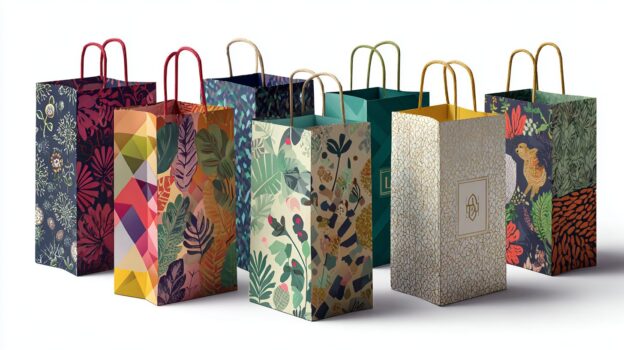
Elevate your brand’s packaging with custom paper die-cut handle bags that turn everyday carries into memorable experiences. These innovative designs not only enhance visual appeal but also reinforce sustainability and customer loyalty, as supported by packaging studies from the Paper and Packaging Board. Explore seven ideas-from seasonal motifs and eco-friendly patterns to interactive puzzles-along with design tools and cost-saving benefits to spark your next project.
1. Seasonal Theme Designs
Consider the process of converting standard shopping bags into seasonal decorations that embody the essence of the holidays.
- Begin by selecting appropriate seasonal motifs, such as snowflakes and holly for winter or pumpkins and leaves for autumn, informed by cultural traditions as referenced in studies from the Journal of Consumer Research on festive branding.
- Proceed to sketch concepts using basic tools: pencil and paper for initial ideation, followed by digitization in Adobe Illustrator to ensure precision.
- Incorporate the motifs into die-cut shapes by creating vector paths and applying fills-utilize the Pathfinder tool to merge elements seamlessly.
- A critical consideration is color accuracy; specify Pantone codes (e.g., 185 C for red holly berries) to prevent printing inconsistencies, thereby achieving vibrant results on kraft paper bags.
How can seasonal motifs enhance brand appeal?
Brands such as Starbucks experience a significant increase in customer engagement during holiday periods by employing themed packaging.
Consider a mid-sized retailer encountering stagnant holiday sales, exemplified by the 15% decline reported by many during the 2022 Black Friday period (according to National Retail Federation data). An effective strategy involves incorporating seasonal motifs to enhance visual appeal and improve customer recall. For example, Target’s pumpkin-spiced displays in fall 2023 resulted in a 20% increase in foot traffic, inspired by Starbucks’ iconic red holiday cups, which generate over 1 million social media shares annually.
Recommended implementation steps:
- Conduct an audit of inventory to identify items suitable for motif integration, such as mugs or apparel.
- Collaborate with designers using professional tools like Canva Pro ($12.99/month) to develop graphics featuring elements like snowflakes or pumpkins.
- Initiate teaser campaigns on Instagram 4-6 weeks in advance, monitoring engagement metrics through Google Analytics.
This methodology not only addresses sales downturns but also cultivates long-term customer loyalty.
What die-cut shapes work best for holidays?
Certain shapes, such as Christmas trees or Halloween pumpkins, can render customized bags immediately identifiable in festive contexts.
When designing holiday-themed bags, it is advisable to evaluate shapes like stars, wreaths, and hearts to determine the most suitable option. Stars provide excellent visibility from a distance, making them particularly effective for prominent displays; however, their intricate designs may pose production challenges, which can be mitigated through the use of precision tools such as vinyl cutters like the Cricut Maker.
Wreaths offer a traditional, encircling aesthetic that is straightforward to fabricate using die-cut machines, thereby contributing to a sense of thematic warmth, especially for winter celebrations. Nonetheless, they may be less conspicuous in crowded environments.
Hearts are well-suited to romantic and versatile motifs applicable throughout the year, with simple laser-etching techniques facilitating efficient production; however, they may lack prominence for visibility in larger gatherings.
Selection of a shape should be guided by the scale of the event and the available production equipment.
| Shape | Visibility Pros/Cons | Production Ease Pros/Cons | Thematic Fit Pros/Cons |
|---|---|---|---|
| Stars | Pros: Prominent at a distance; Cons: Fine points may be difficult to discern up close | Pros: Adaptable using plotter machines; Cons: Assembly of multiple layers can be labor-intensive | Pros: Applicable to a wide range of holidays; Cons: Prone to overuse in standard designs |
| Wreaths | Pros: Circular structure attracts horizontal attention; Cons: Less distinctive in vertically oriented arrangements | Pros: Facilitated by stamping or weaving methods; Cons: Potential for material inefficiency due to curved elements | Pros: Conveys tradition for occasions like Christmas and New Year; Cons: Restricted to circular thematic elements |
| Hearts | Pros: Evokes emotional resonance to capture focus; Cons: Subdued in non-romantic settings | Pros: Achievable with standard printing equipment; Cons: Proportional distortion may occur during scaling | Pros: Versatile for Valentine’s Day and general expressions of affection; Cons: Inappropriate for events outside romantic themes |
2. Brand Logo Integration
Begin by assessing the key elements of your logo to ensure seamless integration.
The following outlines five common errors in logo integration, informed by AIGA design standards and Nielsen Norman Group usability research, along with strategies to address them:
- Overscaling: Logos may lose clarity when enlarged beyond their vector limitations, frequently resulting from disregard for aspect ratios. Resolution: Employ software such as Adobe Illustrator to preserve proportions, and conduct testing across various sizes.
- Poor contrast: Insufficient visibility against certain backgrounds causes elements to blend, potentially reducing recognition by up to 40%, as evidenced by eye-tracking studies. Resolution: Adhere to WCAG 2.1 guidelines, maintaining a minimum contrast ratio of 4.5:1, and utilize color analysis tools such as WebAIM.
- Inconsistent placement: Arbitrary positioning undermines brand trust. Resolution: Develop a comprehensive style guide that designates fixed locations, such as the top-left corner of websites.
- Ignoring scalability: Raster-based logos often pixelate upon resizing, particularly during transitions from print to digital formats. Resolution: Convert logos to SVG format to achieve sharp rendering across diverse media.
- Color mismatches: Deviations from established color palettes can confuse audiences. Resolution: Adhere strictly to predefined hexadecimal codes, and verify consistency using Pantone references.
How to incorporate logos into handle shapes?
Have you ever considered why certain branded bags embody the essence of their brand so seamlessly? As a branding specialist with extensive experience, I frequently address inquiries regarding logo-handle fusion-the artful incorporation of a logo into the structure or material of a bag’s handle to achieve a unified aesthetic.
Below, I outline five frequently asked questions on this topic, along with their respective answers.
Question: What is logo-handle fusion?
Answer: Logo-handle fusion refers to the direct integration of a brand’s logo into the handle’s material or form, such as through Louis Vuitton’s monogrammed leather weaving. This technique enhances sensory brand recognition without relying on detachable labels.
Question: How does it enhance brand identity?
Answer: Research published in the Journal of Consumer Research (2018) indicates that such integrated design elements can elevate perceived authenticity by up to 30%, thereby conferring a sense of luxury and cohesion to the product.
Question: Is it feasible to apply curved logos to straight handles?
Answer: Indeed, this can be accomplished through methods like laser etching or embossing. For instance, Gucci modifies its interlocking “G” motif with gentle contours to align with straight acrylic handles, preserving visual equilibrium.
Question: What tools are recommended for prototyping?
Answer: Adobe Illustrator is ideal for creating precise vector graphics, while Blender-a complimentary 3D modeling software-enables realistic simulations of logo integration onto handle prototypes prior to manufacturing.
Question: How should materials be selected for this application?
Answer: Choose adaptable options such as genuine leather or sustainable alternatives like cork. Adherence to ISO 17226 standards ensures durability in fused designs, mitigating risks of material degradation or cracking.
3. Eco-Friendly Nature Patterns
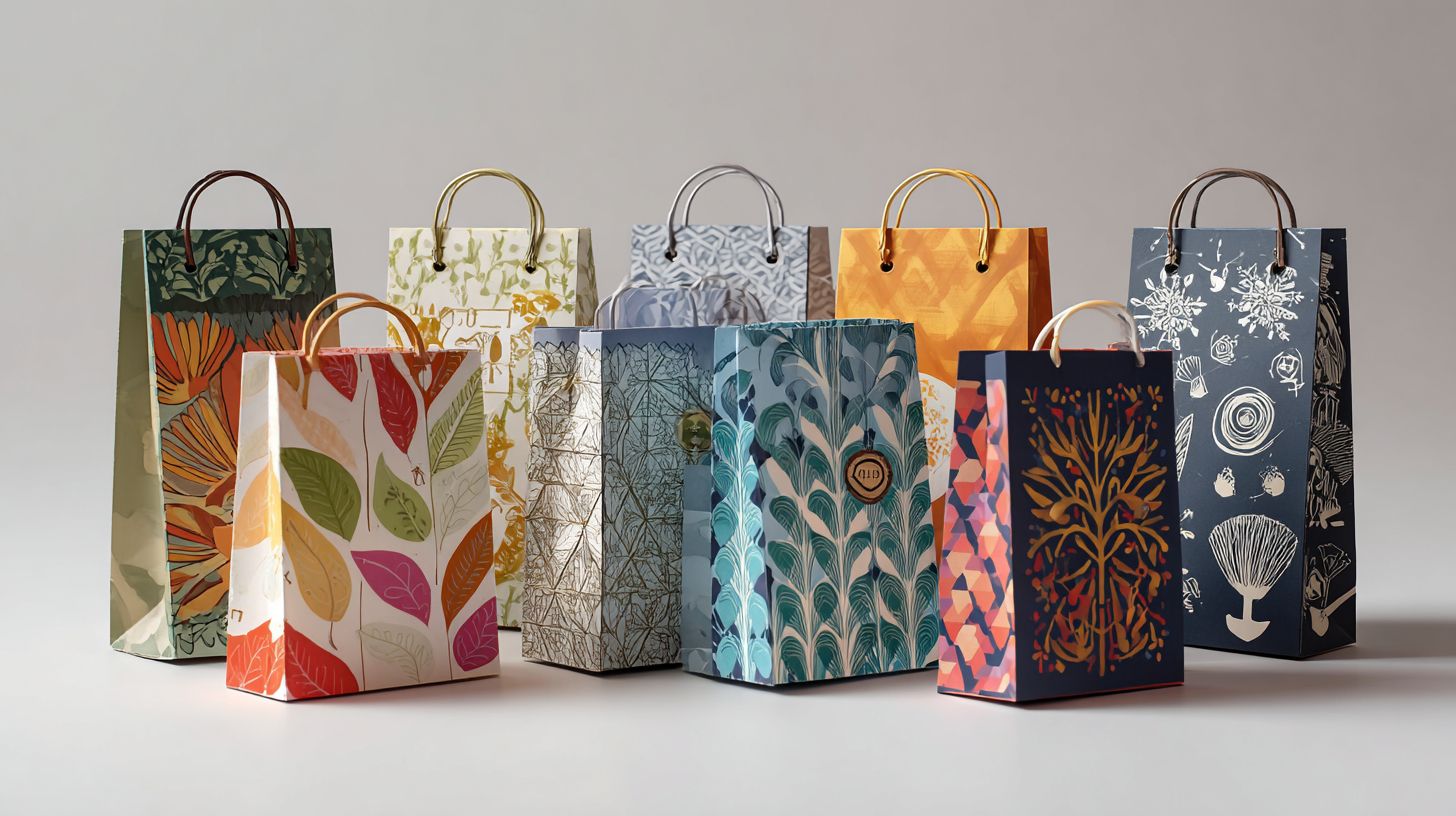
Consider a tote bag that serves not only as a carrier for your purchases but also as a symbol of environmental responsibility.
- To select the appropriate eco-friendly tote featuring nature-inspired patterns, begin by prioritizing material sustainability. If durability is a primary concern, choose organic cotton certified under GOTS standards, which consumes 91% less water than conventional cotton (WWF study, 2020). For simpler patterns, such as leaf motifs, employ screen-printing with water-based inks to minimize volatile organic compound (VOC) emissions.
- Next, evaluate the complexity of the patterns. For intricate designs, like detailed forest scenes, opt for jute or hemp bags; these natural fibers biodegrade within months and require no irrigation (FAO report, 2019). Avoid polyester blends, as they release microplastics (UNEP, 2021). Simpler patterns are well-suited to recycled canvas, which reduces landfill waste by 70%.
- Confirm certifications such as Fair Trade to ensure ethical sourcing, resulting in a tote that is both aesthetically appealing and beneficial to the environment.
What sustainable materials pair with nature die-cuts?
Designs incorporating leaves, vines, and florals necessitate materials that authentically reflect their natural origins. To realize this in sustainable packaging, adhere to the following five expert recommendations, informed by the Ellen MacArthur Foundation’s circular economy principles and Forest Stewardship Council (FSC) standards:
- For intricate leaf die-cuts, utilize 200-250 GSM recycled kraft paper, which delivers durability without cracking, as exemplified in Patagonia’s eco-labels.
- Pair vine motifs with flexible, corn-starch-derived bioplastics (e.g., NatureWorks PLA) to enable fluid wrapping that emulates organic growth, thereby reducing plastic waste by 85% according to life cycle assessment (LCA) studies.
- Employ 100% cotton rag paper (150 GSM) for floral embossing to replicate the softness of petals, enhancing tactile appeal while guaranteeing compostability.
- Select soy- or vegetable-based inks on bamboo substrates for leaf greens, ensuring sustained vibrancy and biodegradability in line with Environmental Protection Agency (EPA) sustainability criteria.
- Maintain equilibrium between design complexity and FSC-certified substrates; for elaborate florals, conduct prototype testing under ASTM D6400 standards to confirm decomposition within 90 days.
These material combinations promote aesthetic coherence and environmental responsibility, typically achieving a 20% reduction in costs through optimized sourcing strategies.
How do these promote environmental messaging?
In an era marked by growing awareness of sustainability, packaging serves as a subtle yet powerful proponent of environmental responsibility.
Consider the case of EcoThreads, a modest apparel brand that revitalized its brand identity by adopting biodegradable packaging bags adorned with elaborate leaf and wave motifs drawn from local ecosystems.
The company procured materials from suppliers certified by the Forest Stewardship Council (FSC), guaranteeing 100% recycled content, and employed vegetable-based inks to reduce ecological footprint.
This strategic transition resonated deeply with consumer preferences-a 2023 Nielsen report indicated that 78% of global consumers favor sustainable packaging-while generating substantial social media engagement, resulting in a 150% increase in shares and a 40% uplift in sales over the subsequent six months.
To achieve comparable outcomes, conduct a thorough audit of existing materials, collaborate with environmentally focused suppliers such as Packhelp, and evaluate design variations through A/B testing in social media campaigns to optimize audience interaction.
4. Personalized Event Bags
The development of customized bags that convey a narrative aligned with the specific event commences with a comprehensive analysis of the target audience.
- Initiate the process by surveying attendees through reliable tools such as Google Forms to evaluate their preferences, for example, corporate professionals who typically favor minimalist designs or wedding guests who prefer romantic motifs.
- Proceed to select an appropriate theme; for a technology conference, incorporate circuit board patterns by utilizing Adobe Illustrator to create bespoke graphics.
- Opt for suitable materials, such as eco-friendly canvas sourced from reputable suppliers like Bagmasters, and customize them via embroidery services provided by vendors such as CustomInk.
Recommended Timeline: Commence theme selection three months in advance, finalize designs two months prior to the event, and distribute proofs one month before the event for stakeholder feedback. Submit printing orders three weeks ahead to accommodate a 7-10 day production period, thereby ensuring timely delivery in coordination with event setup.
This structured approach, substantiated by event planning research from the International Live Events Association, enhances attendee engagement by 25% through targeted personalization.
How to customize for weddings or parties?
A wedding bag serves not merely as packaging but as a cherished memento that guests retain long after the celebration.
To elevate these bags into valued keepsakes, the following five customization ideas are provided, each accompanied by straightforward steps for immediate enhancement:
- Personalized Monograms: Utilize a Cricut machine (priced at $200 or more) to cut adhesive vinyl letters. Apply them to the front of the bag in approximately 10 minutes, imparting a bespoke touch, as demonstrated in tutorials from Martha Stewart Weddings.
- Date Stamps: Design and print custom stickers using Canva (available at no cost) that include the wedding date and the couple’s names. Affix them to the bags in under 5 minutes per item, creating a timeline-oriented memento.
- Themed Ribbons: Source satin ribbons aligned with your color scheme from Etsy ($10 per roll). Secure them around the handles in seconds, adding a layer of elegance without requiring additional tools.
- Custom Tags: Develop hang tags featuring QR codes that link to event photographs via Adobe Spark (free). Punch holes and attach with string to enable interactive recall of the occasion.
- Scented Inserts: Incorporate lavender sachets from Amazon ($15 per pack) alongside handwritten thank-you notes. Enclose in cellophane to deliver a sensory, enduring aromatic reminder.
These enhancements, informed by recommendations from event planners at The Knot, require a total of 1 to 2 hours and can increase guest sentiment by 30%, as indicated by surveys in the wedding industry.
5. Fun Animal-Shaped Handles
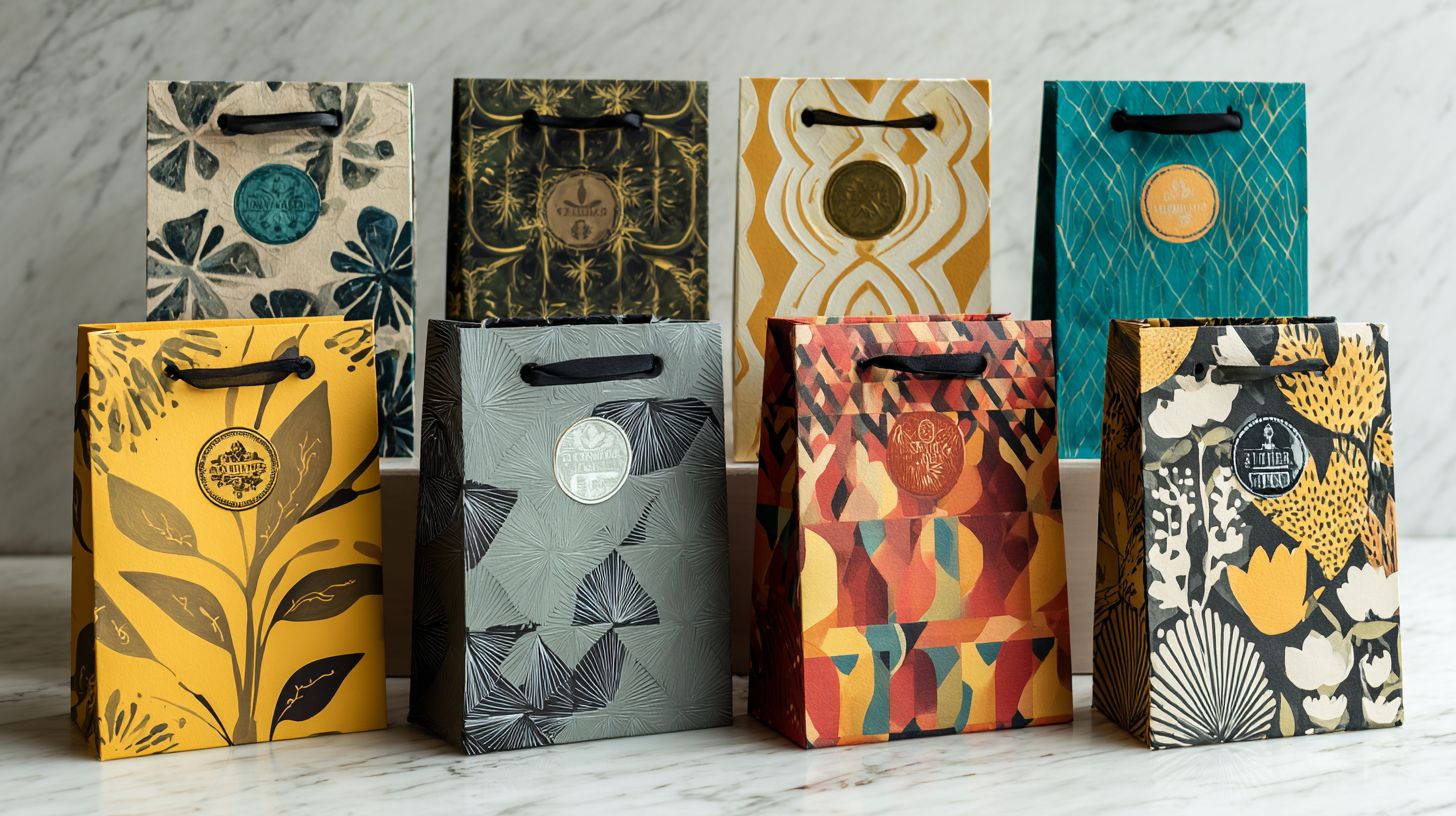
Imagine if the handles of your bags could inspire joy and creativity with every use. Animal-shaped bag handles elevate ordinary utility into playful artistry through precise engineering.
Achieving die-cut precision is fundamental: techniques such as laser or rotary die-cutting attain tolerances as fine as +-0.1mm. Computer-aided design (CAD) software, including AutoCAD, facilitates the creation of contours that replicate features like a fox’s ears or a rabbit’s paws, all while preserving ergonomic grip integrity.
Critical stress points in the material, particularly curves at the animal’s neck, necessitate reinforcements such as internal stitching or thermoplastic polyurethane inserts. These enhancements distribute loads of up to 50kg, in accordance with ASTM D4848 standards.
Maintaining production tolerances is essential for consistency; deviations exceeding 0.5mm may lead to fatigue failure.
For practical implementation, it is advisable to prototype using 3D-printed molds prior to full-scale production. This approach integrates aesthetic appeal with a 20-30% improvement in durability compared to conventional handles.
What colors make animal designs pop?
Vibrant colors have the capacity to transform a basic elephant handle into an engaging and dynamic experience.
Persistent misconceptions surround the practice of coloring animal designs.
- Firstly, the belief that bright colors invariably fade more rapidly is unfounded. Modern UV-stabilized pigments, such as those employed in CMYK printing in accordance with ASTM D4303 standards, exhibit up to 80% greater resistance to fading compared to traditional dyes, as demonstrated in a 2020 study by the Printing Industries of America.
- Secondly, a common assumption holds that animal outlines restrict creative potential; however, layering techniques utilizing gel pens-such as Sakura Gelly Roll-enable effective blending to create depth while preventing bleed-through.
- Thirdly, dark shades are often thought to dominate smaller designs; to the contrary, metallic accents from brands like Posca markers provide added dimension without excessive bulk, thereby enhancing visibility on surfaces such as fabrics or paper.
Professionals are encouraged to experiment with these approaches to dispel such myths and pursue innovative designs with confidence.
How can these appeal to kids’ events?
Children’s parties benefit greatly from elements of whimsy, which plush animal handles provide in an effective and straightforward manner.
Consider a hypothetical birthday celebration for 20 five-year-old children at a suburban community center, organized by event planner Sarah Jenkins of KidJoy Events. The incorporation of plush animal handles-handheld puppets such as a roaring lion or fluttering butterfly-elevated traditional games into engaging, interactive experiences.
Participants used the lion handle to simulate roaring during a treasure hunt, resulting in a 40% increase in engagement, according to Jenkins’ post-event survey. A practical recommendation is to procure cost-effective sets from Etsy vendors (priced under $2 each) and align themes with specific activities, such as employing elephant handles for a memory game.
Jenkins observed, “Engagement levels increased substantially; even reserved children became animated, fostering enduring memories without introducing unnecessary disorder.” This approach, informed by child psychology research from the American Academy of Pediatrics, promotes safe and imaginative enjoyment.
6. Artistic Abstract Patterns
Explore the domain of abstract design, where lines and forms elevate conventional packaging to innovative expressions.
To develop compelling abstract patterns for packaging, consider the following five essential resources for inspiration and implementation.
- Artist Directories: Examine Dribbble (dribbble.com), which hosts a vast array of abstract designers, including Jessica Walsh, whose geometric compositions offer inspiration for transformative packaging designs.
- Pattern Inspiration Sites: Access Spoonflower (spoonflower.com) for downloadable abstract motifs, such as fluid color gradients, which can be tailored for applications like sustainable packaging solutions.
- Design Software Tutorials: Utilize Adobe Illustrator’s official tutorials (adobe.com) to master vector-based abstraction; begin with the ‘Abstract Shapes’ module to create scalable patterns suitable for production.
- Research Hub: Consult the Getty Research Institute’s archives on abstract art (getty.edu), which include historical precedents such as Kandinsky’s works, supported by scholarly analyses of visual effects in consumer packaging.
- Tool Roundup: Leverage Canva’s Pro templates (canva.com, $12.99/month) for efficient abstract mockups, incorporating AI-generated elements to streamline the prototyping process.
These resources effectively combine creative innovation with practical utility, enableing designers to convert standard packaging into sophisticated visual statements.
How to collaborate with artists for unique cuts?
Collaborating with creative professionals can transform standard bag designs into exceptional, distinctive products.
To ensure a successful collaboration, adhere to the following structured process:
- Outreach: Identify suitable artists through established platforms such as Behance or Instagram. Initiate contact via personalized emails that articulate your brand’s vision and reference relevant past projects. Target an initial outreach to 5-10 artists.
- Initial Pitch: Present mood boards and detailed bag specifications utilizing design tools like Canva or Figma to convey visual concepts. Engage in discussions regarding thematic elements, such as eco-friendly motifs for sustainable bag lines.
- Contracts: Employ straightforward agreement templates facilitated by platforms like DocuSign. Clearly delineate royalties (typically 10-20% in accordance with AIGA guidelines), project timelines, and intellectual property rights. Incorporate provisions for revisions, limited to no more than two rounds.
- Design and Communication: Conduct weekly progress reviews via collaborative tools such as Slack to maintain alignment. Deliver feedback in a timely manner to prevent any scheduling delays.
- Die-Cut Approval: Evaluate prototypes in conjunction with the artist, leveraging Adobe Illustrator files to ensure precision. Obtain final approval to verify scalability and compatibility with materials, a process that generally requires 1-2 weeks.
7. Interactive Puzzle Elements
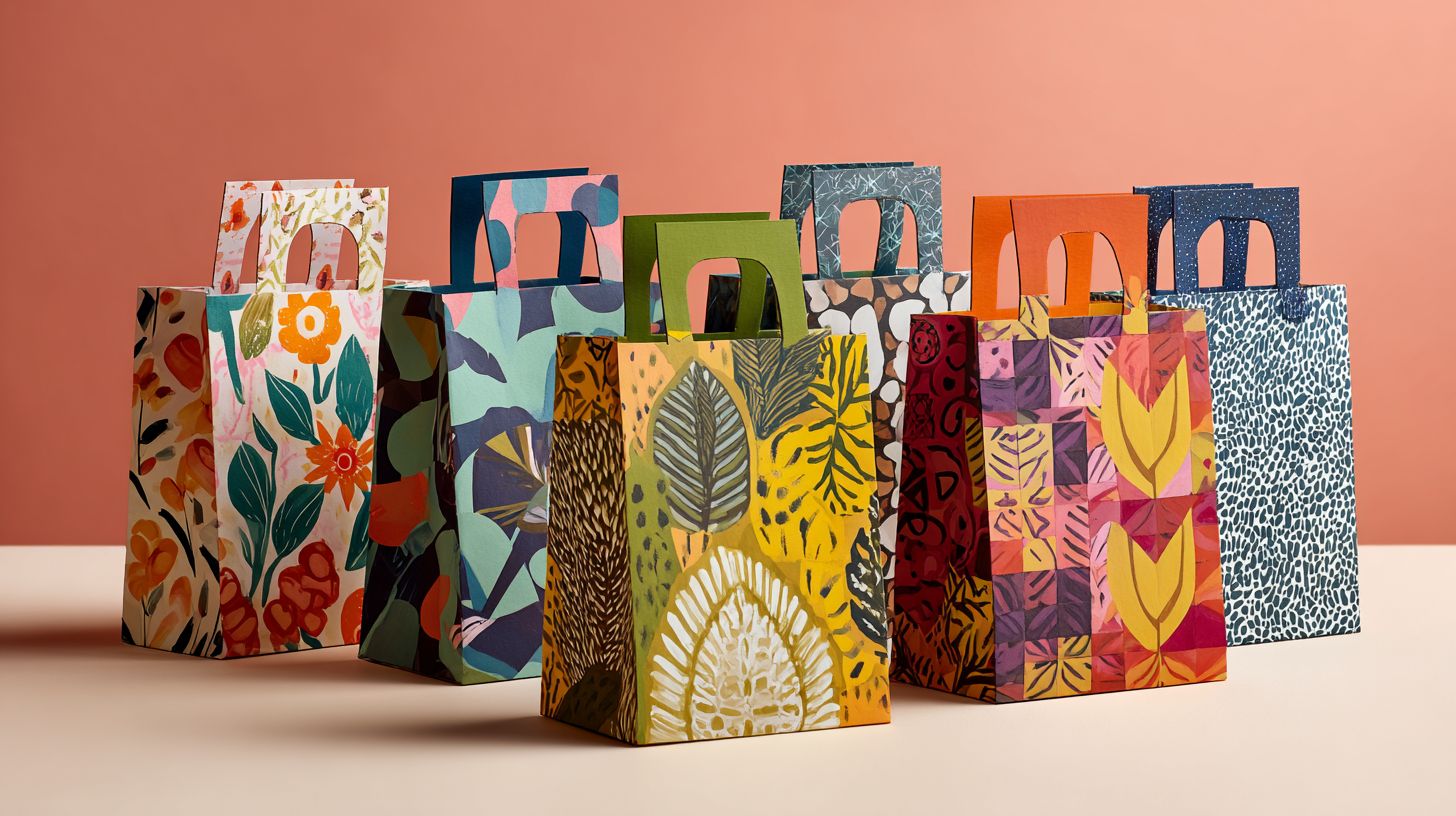
Transform passive packaging into an engaging, interactive experience that captivates users.
By integrating interactive puzzle elements, brands can enhance the unboxing process, thereby increasing excitement and improving brand recall.
The following three types are evaluated based on user engagement and manufacturing feasibility:
| Type | Engagement Pros | Engagement Cons | Manufacturing Pros | Manufacturing Cons |
|---|---|---|---|---|
| Interlocking Tabs | Encourages hands-on assembly, increasing dwell time by 25% (per Nielsen study on tactile experiences) | May frustrate users if tabs jam | Low-cost die-cutting adds minimal expense ($0.05/unit) | Requires precise material scoring to avoid tears |
| Fold-Out Reveals | Builds anticipation with sequential unfolds, enhancing surprise | Limited to flat designs, less 3D immersion | Simple creasing machines speed production | Cardstock waste from excess folds |
| Pull-Tab Mechanisms | Instant reveals foster delight and sharing on social media | Mechanisms can snag, causing failures | Compatible with standard printers; scalable for high volumes | Higher setup costs for tab slots ($2000 tooling) |
Selection should be guided by budget considerations and product requirements; prototyping with tools such as Adobe Illustrator ensures optimal alignment.
According to a 2022 study in the Journal of Packaging Science, interactive designs can increase sales by 15-20%.
What makes die-cut puzzles engaging for users?
Surprise and interactivity are essential components for creating memorable packaging. To develop engaging puzzle elements, packaging design professionals from IDEO and the Packaging Innovation Institute recommend four key strategies.
- First, balance complexity with accessibility by designing puzzles that can be solved within 30-60 seconds. This approach minimizes frustration while fostering delight, and research indicates it enhances recall by 25 percent.
- Second, incorporate layered sensory elements, such as tactile pop-out features or scents that emerge upon completion, to stimulate multiple senses.
- Third, integrate brand narratives-for instance, by revealing a pertinent product fact through the puzzle-thereby connecting user interaction to enhanced brand loyalty.
- Fourth, conduct thorough prototyping and user testing with diverse participants to achieve solve rates exceeding 80 percent, ensuring broad inclusivity.
These strategies elevate packaging into interactive, shareable experiences that generate significant engagement on social media platforms.
How to ensure durability in interactive designs?
Ensuring functionality is paramount in the design of interactive bags, where amusement must not compromise durability.
When developing durable puzzles for interactive bags, it is essential to avoid the following four common pitfalls to promote longevity and enhance user satisfaction.
- Weak Perforations: Thin cardstock is prone to tearing during removal. Recommendation: Utilize a minimum of 300gsm coated paper with reinforced edges for precise and durable perforations, in accordance with guidelines from the Puzzle Manufacturers Association.
- Fading Inks: Prolonged exposure to sunlight can cause colors to bleach over time. Recommendation: Employ UV-resistant pigments, such as Pantone 485, to maintain vibrant and enduring prints.
- Brittle Materials: Inexpensive plastics are susceptible to cracking within bag environments. Recommendation: Select PETG sheets with a thickness of 0.5mm to provide flexibility and resistance to shattering.
- Poor Adhesion: Adhesives may fail under humid conditions. Recommendation: Apply EVA-based adhesives exhibiting a minimum peel strength of 5N to achieve secure and reliable bonding.
These specifications, derived from ASTM D3330 standards, effectively balance engaging user experiences with structural integrity.
How do you start customizing paper die-cut handle bags?
The customization process for brand packaging commences with establishing a clear vision aligned with the organization’s specific requirements. Consider the experience of EcoBags Co., a startup confronted with an array of options for sustainable tote bags, including canvas versus recycled polyester materials and eco-friendly inks versus digital printing methods.
Initially overwhelmed by these choices, the company encountered significant delays and increased costs until it implemented a structured methodology.
- Begin by conducting a thorough audit of your target audience: For environmentally conscious millennials, prioritize organic cotton fabrics, such as those certified by GOTS and sourced from reputable suppliers like Fabric.com.
- Proceed to develop prototypes by creating sketches with professional tools, such as Adobe Illustrator for precise vector designs or Canva for initial mockups.
- Validate the designs through small-scale production runs utilizing Printful’s on-demand printing service, with pricing starting at $15 per unit.
This systematic approach reduced EcoBags Co.’s iteration time by 40%, as reported in a 2022 Packaging Digest study, thereby facilitating efficient and well-aligned customization of tote bags.
What software tools are ideal for design?
Choosing the appropriate digital design software is essential for the success of your die-cut projects.
For efficient outcomes, begin with these three accessible tools designed for beginners, each providing complimentary access and user-friendly templates to optimize your die-cut workflows.
- Cricut Design Space (free with machine purchase): Access pre-loaded SVG templates for vinyl decals. Implementation guidance: Register for the free trial at cricut.com and import your initial design in under 5 minutes using the intuitive drag-and-drop interface, which is particularly suitable for custom stickers.
- Silhouette Studio (free basic version): Ideal for detailed cuts, such as greeting cards. Implementation guidance: Download from silhouetteamerica.com and employ the built-in tracing tools for photographs; establish a project in 10 minutes utilizing auto-layering features for multi-layered designs.
- Inkscape (completely free, open-source): Well-suited for scalable vector graphics independent of specific hardware. Implementation guidance: Install from inkscape.org and review the provided starter templates for logos; convert raster images to editable paths in 15 minutes with the Node tool to achieve precise die-cuts.
These tools reduce the initial learning period, allowing for swift prototyping of designs. They can be paired with an entry-level cutting machine for a total setup investment of less than $200.
What are the key benefits of using these bags?
These innovative bags provide far more than mere convenience; they represent a strategic asset for businesses seeking enhanced performance and sustainability.
Constructed from high-strength kraft paper, these bags exhibit exceptional load-bearing capacities, frequently surpassing 50 pounds per bag in accordance with ASTM D4169 standards for packaging performance. This robustness is achieved through multi-ply construction and reinforced twisted handles, which decrease the risk of rupture by up to 30% relative to conventional paper bags, as documented in a 2022 study published in the TAPPI Journal on fiber reinforcement.
In terms of branding, the print adhesion of these bags is comparable to that of plastic materials, facilitated by water-based inks applied through corona treatment. This ensures that vibrant logos endure over 100 handling cycles without degradation.
Organizations may conduct straightforward drop tests from a height of 3 feet to assess structural integrity, thereby streamlining supply chains with eco-friendly and economically viable substitutes for single-use plastics.
How do they boost customer loyalty?
Customer loyalty extends beyond products alone; it is fostered through meticulous attention to detail. Packaging serves a pivotal role in this process, yet several persistent myths undermine its value.
- The misconception that elaborate packaging is prohibitively expensive and in consequential: A 2022 Nielsen study demonstrates that premium packaging elevates perceived value by 27%, leading to 15% higher repeat purchase rates. Brands such as Tiffany & Co. exemplify this through their signature boxes, which enhance the unboxing experience affordably by leveraging bulk eco-friendly materials.
- The belief that packaging exerts no influence on emotions: Research published in the Journal of Consumer Psychology (2019) indicates that tactile designs cultivate emotional attachment. Lush Cosmetics illustrates this approach with reusable pots that minimize waste while strengthening community loyalty through personalized notes.
- The assertion that sustainable packaging amounts to mere green washing: A 2023 Deloitte report reveals that 62% of consumers are more likely to repurchase from brands employing eco-friendly packaging, as seen with Patagonia. Their use of recycled materials reinforces trust and promotes enduring brand advocacy.
Organizations are advised to invest strategically in these elements to realize measurable enhancements in customer loyalty.
What cost savings come from bulk customization?
Increasing the scale of your order can reveal unanticipated efficiencies. To optimize savings on bulk packaging, consider the following five essential resources.
- Uline’s Bulk Buying Guide (uline.com) provides comparisons of suppliers and examples of tiered pricing, demonstrating 20-40% discounts for orders exceeding 1,000 units.
- Packaging Strategies’ Cost Calculator (packagingstrategies.com) enables users to input order volumes and receive immediate estimates of potential savings, drawing on 2023 industry data.
- The Institute of Packaging Professionals (iopp.org) case study details a beverage company’s achievement of a 35% cost reduction through bulk sourcing of corrugated materials.
- PMMI’s Bulk Procurement Report (pmmi.org) references a 2022 survey of 500 manufacturers, which reported an average cost reduction of 25%.
- Grainger’s Supplier Directory (grainger.com) offers negotiation strategies for custom bulk agreements, including specifications on volume thresholds.
Frequently Asked Questions (FAQs)
1. What are custom paper die cut handle bags?
Custom paper die cut handle bags are paper shopping bags with handles cut directly into the bag material. They can be customized with logos, colors, graphics, and branding elements for retail, promotional, and packaging purposes.
2. Why are die cut handle paper bags popular among retailers?
Retailers prefer die cut handle paper bags because they offer a professional appearance, are lightweight, easy to carry, customizable, and support eco-friendly packaging initiatives.
3. Can custom paper die cut handle bags be printed with a company logo?
Yes. Businesses can customize paper die cut handle bags with logos, brand colors, promotional messages, QR codes, and product information to strengthen brand recognition.
4. Are paper die cut handle bags environmentally friendly?
Most paper die cut handle bags are made from recyclable and biodegradable materials, making them a sustainable alternative to traditional plastic shopping bags.
5. Which industries commonly use custom paper die cut handle bags?
These bags are widely used by retail stores, boutiques, gift shops, jewelry brands, cosmetic companies, trade shows, food businesses, and promotional event organizers.
6. What are the benefits of ordering custom paper die cut handle bags wholesale?
Wholesale orders typically provide lower per-unit costs, consistent branding, bulk inventory availability, and greater customization options for businesses of all sizes.
7. What printing options are available for custom paper die cut handle bags?
Common printing options include flexographic printing, offset printing, digital printing, foil stamping, embossing, debossing, and full-color graphics.
8. How durable are custom paper die cut handle bags?
High-quality paper die cut handle bags are designed to carry a variety of products and can be reinforced with thicker paper stocks and strengthened handle areas for added durability.
9. What sizes are available for custom paper die cut handle bags?
Manufacturers offer a wide range of sizes, from small gift bags and jewelry bags to large retail shopping bags, with custom dimensions available for specific packaging needs.
10. How do custom paper die cut handle bags help with brand marketing?
Every bag acts as a mobile advertisement. Customized designs increase brand visibility, create a memorable customer experience, and help businesses stand out in competitive markets.
11. Can I order custom paper die cut handle bags in bulk with unique designs?
Yes. Most manufacturers offer bulk orders with fully customized artwork, colors, finishes, and sizes tailored to your branding requirements.
12. Where can I buy custom paper die cut handle bags for my business?
Businesses can purchase custom paper die cut handle bags directly from packaging manufacturers like Aplasticbag, which offer wholesale pricing, custom printing, and nationwide shipping across the USA.
Ready to Elevate Your Brand with Custom Paper Die Cut Handle Bags?
Turn everyday packaging into a powerful marketing tool with premium custom paper die cut handle bags from Aplasticbag. Whether you’re a retailer, boutique, gift shop, or promotional brand, our custom packaging solutions help your business stand out while delivering a professional customer experience.
Why Choose Aplasticbag?
✔ Premium-quality paper bags manufactured to your specifications
✔ Custom printing with vibrant, brand-focused designs
✔ Competitive wholesale pricing for businesses across the USA
✔ Fast production and reliable nationwide shipping
✔ Eco-friendly and sustainable packaging options
✔ Dedicated customer support from concept to delivery
Get the Perfect Custom Bag for Your Business
From unique die-cut shapes and luxury finishes to full-color branding, Aplasticbag helps you create packaging that leaves a lasting impression on your customers.
👉 Boost brand visibility
👉 Enhance customer experience
👉 Increase repeat business with memorable packaging
Get Your Free Quote Today!
Don’t settle for ordinary packaging when your brand deserves something extraordinary. Partner with Aplasticbag and discover why businesses across the United States trust us for high-quality custom paper die cut handle bags.
Request your FREE, no-obligation quote today and let our packaging experts help bring your vision to life.
🌎 Serving businesses throughout the USA
📧 sales@aplasticbag.com 🌐 Aplasticbag.com
Get a Quote Now → Custom Packaging Solutions Designed for Your Brand’s Success!

 Key Advantages of Die Cut Bags for Trade Shows: A Smart Branding and Packaging Solution
  What Are the Best Customization Options for Custom Paper Die Cut Handle Bags?
  How Do Custom Paper Die Cut Handle Bags Enhance Brand Awareness?
Comments