
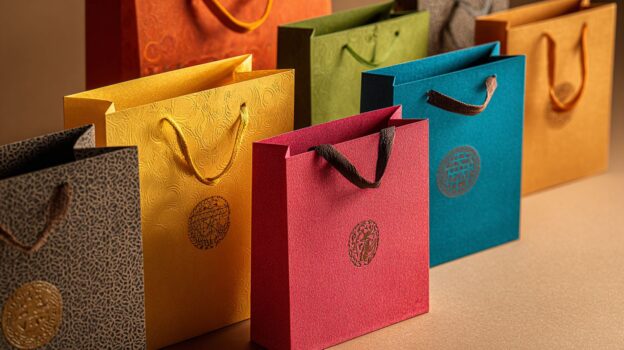
In the bustling retail landscape, where first impressions drive loyalty, custom paper die cut handle bags stand out as eco-friendly powerhouses for branding. These versatile carriers enhance customer experience while showcasing your identity. Discover the best customization avenues-from premium paper grades and vibrant printing techniques to ergonomic handle designs, tailored sizes, and luxurious finishes like embossing-unlocking endless possibilities for standout packaging.
Material Selection Options
The selection of appropriate materials for custom paper die-cut handle bags is essential to ensure both durability and sustainability. According to a 2023 report from the Forest Stewardship Council (FSC), kraft paper constitutes 60% of eco-friendly packaging options.
Paper Types and Grades
Common paper types employed in die-cut handle bags include kraft paper, typically ranging from 70 to 120 GSM, which provides a natural aesthetic appeal, and recycled paper, valued for its sustainability credentials-as demonstrated by Patagonia in their branded shopping bags.
| Type | Common Grades | Key Properties | Best For | Pros/Cons |
|---|---|---|---|---|
| Kraft | 70-150 GSM | Brown, recyclable | Eco-retail | Pros: cost-effective ($0.05/sq ft); Cons: absorbs moisture |
| Recycled | 80-140 GSM | Varied colors | Sustainable promo | Pros: FSC certified; Cons: slightly weaker |
| White Kraft | 80-150 GSM | White, printable | General retail | Pros: versatile printing; Cons: 20% pricier than brown kraft |
| Coated Paper | 100-200 GSM | Glossy, water-resistant | High-end branding | Pros: vibrant colors; Cons: less recyclable |
| Art Paper | 90-160 GSM | Smooth, premium finish | Luxury packaging | Pros: elegant look; Cons: higher cost ($0.10/sq ft) |
For individuals new to this domain, kraft paper represents a straightforward and economical entry point, priced at approximately $0.05 per square foot, making it suitable for prototyping designs without the added costs associated with sustainability certifications.
Recycled paper options, although environmentally superior in accordance with Forest Stewardship Council (FSC) standards, require thorough validation of supplier certifications to prevent variability in performance.
Uline supplies both kraft and recycled variants with efficient shipping timelines; however, sourcing recycled materials entails evaluating potential inconsistencies in quality from mills certified by the Environmental Protection Agency (EPA).
Thickness and Weight Choices
The thickness of paper, measured in grams per square meter (GSM), directly influences the strength of bags. Options ranging from 100 to 150 GSM can support loads of up to 15 pounds, making them suitable for retail packaging, as demonstrated by the grocery bags employed by Trader Joe’s.
To determine the appropriate thickness, consider the following options, categorized by use case:
- Light (70-90 GSM) for lightweight items such as apparel, with a per-unit cost of $0.03-0.05 and a capacity of 5-8 pounds-ideal for e-commerce inserts.
- Medium (100-150 GSM) for shopping loads of up to 10-15 pounds, commonly used in grocery applications.
- Heavy (180-250 GSM) for bulk items exceeding 20 pounds, incorporating reinforced bottoms to enhance durability.
It is recommended to test samples in accordance with ASTM D4169 standards, which evaluate tear resistance (for instance, heavy-duty options can withstand 50% more force than light-duty variants). This testing procedure typically requires 1-2 hours per batch.
Common errors, such as selecting insufficient thickness for heavy loads, should be avoided, as they result in failure rates of up to 20%, according to industry reports from the Paper Packaging Association.
Design and Printing Techniques
Utilizing advanced design and printing methodologies significantly enhances the quality of custom paper die-cut handle bags, facilitating high-impact branding initiatives. Techniques such as offset printing deliver exceptional 99% color accuracy for logos in production runs exceeding 10,000 units.
Digital vs. Offset Printing
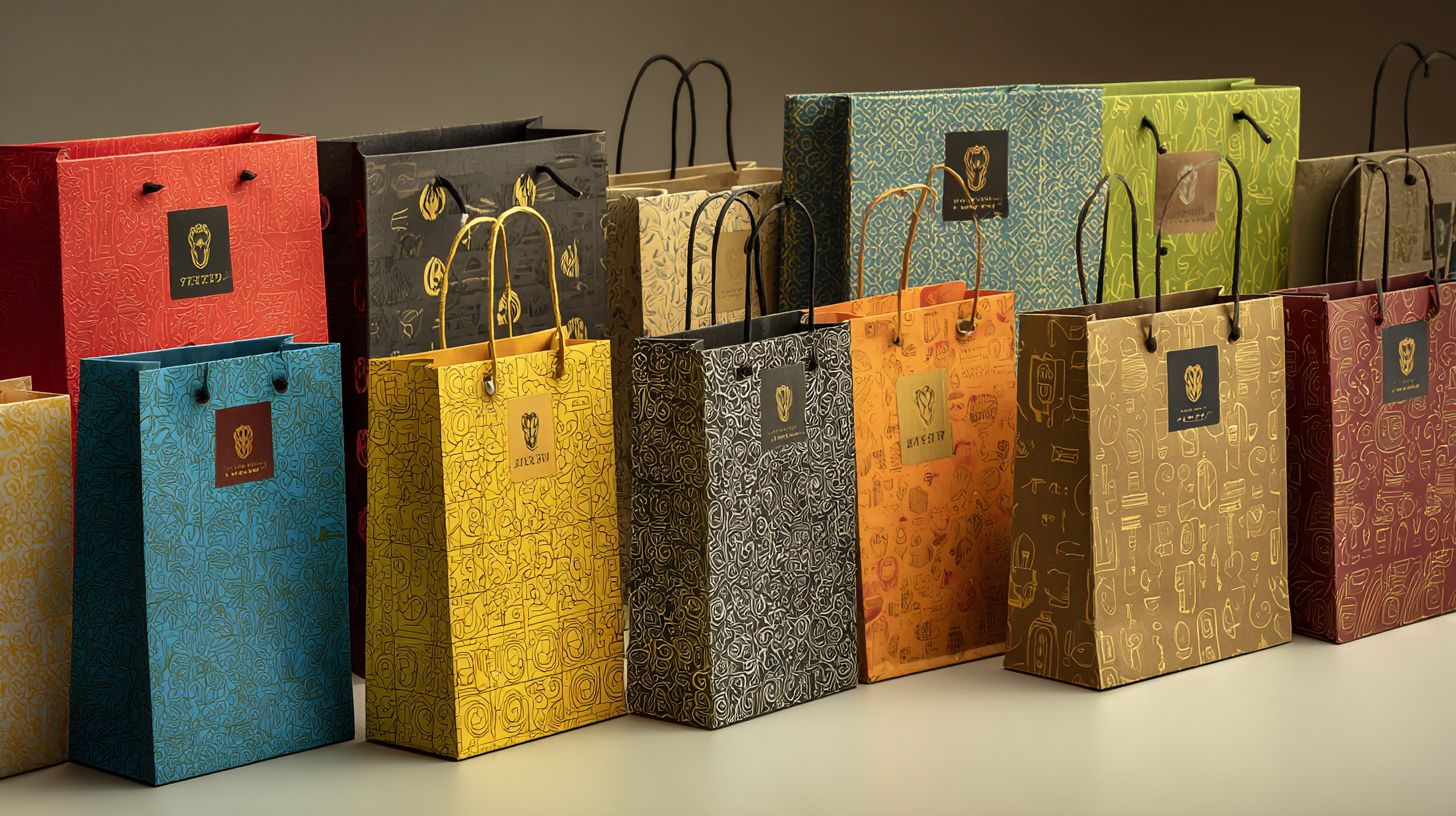
Digital printing is well-suited for small runs of custom paper bags, with per-unit costs ranging from $0.15 to $0.40, whereas offset printing is more cost-effective for larger volumes, at $0.05 to $0.20 per unit. This distinction is particularly relevant for small e-commerce brands, such as Etsy sellers, compared to major retailers like Target.
| Aspect | Digital Printing | Offset Printing |
|---|---|---|
| Setup Time | 1-2 days; ideal for quick turnaround | 1-2 weeks; requires plates and proofs |
| Volume Suitability | <5,000 units; supports variable data for personalization (e.g., unique logos per bag) | >10,000 units; consistent high-quality output |
| Cost | Higher per-unit ($0.15-0.40); no setup fees | Setup $200-500, lower per-unit ($0.05-0.20) |
Digital printing is particularly advantageous for event branding applications, such as custom bags for weddings, which can be efficiently produced through platforms like Vistaprint. In contrast, offset printing is optimal for wholesale operations, as exemplified by Target’s use in mass retail packaging.
A hybrid approach-employing digital proofs for client approval prior to offset production-can yield significant cost savings, as supported by studies from Packaging World.
For corrugated alternatives, flexographic printing provides durable inks suitable for high-volume production of bags, with per-unit costs of $0.03 to $0.15, although it offers limited versatility for shorter runs.
Color and Pattern Customization
Color customization for die-cut handle bags employs Pantone matching to achieve precise branding alignment, while full-color CMYK printing accommodates approximately 80% of design requirements, as exemplified by Coca-Cola’s seasonal red-and-white promotional bags.
To attain distinctive and effective results, the following five customization options are recommended:
- Single-color spot ink ($0.10 per unit), suitable for minimalist logos and particularly effective for eco-conscious brands utilizing kraft paper substrates.
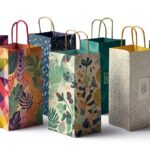
- Full CMYK printing ($0.25 per unit), which supports vibrant patterns and facilitates intricate designs, such as floral motifs.
- Pantone matching (e.g., PMS 185 for red, incurring an additional 10% cost), which ensures consistent brand coloration across production batches.
- Gradient patterns, optimally executed through digital printing to produce seamless transitions, as seen in sunset-inspired hues.
- Themed prints (e.g., holiday motifs), designed to enhance seasonal marketing appeal.
According to a Nielsen study, the incorporation of bold graphics on kraft paper can increase sales by 15%. For optimal results, vector artwork should be prepared using Adobe Illustrator to preserve quality during large-scale production.
Handle and Structural Variations
Variations in handles and structures for custom die-cut bags significantly enhance their usability. Twisted paper handles, in particular, provide robust support for loads ranging from 12 to 18 pounds and are commonly incorporated into luxury retail packaging, as exemplified by Nordstrom’s gift bags.
Handle Material and Style
Paper bag handle styles vary from flat die-cut options, which provide simplicity, to twisted rope designs that impart a premium aesthetic. Incorporating cotton rope handles incurs an additional cost of $0.20 per unit but enhances perceived value, particularly for event bags.
For procurement, it is recommended to source from PackSavvy Solutions, where minimum bulk orders commence at 1,000 units. During the quoting process, specify the bag dimensions (e.g., 8×10 inches) and handle length (10-12 inches) to ensure accuracy.
To verify durability, test prototypes for load capacity in accordance with ASTM D4169 standards. Branding integration can be achieved through Pantone-matched colors. This methodology streamlines production, reducing lead times to 7-10 days.
Size and Shape Configurations
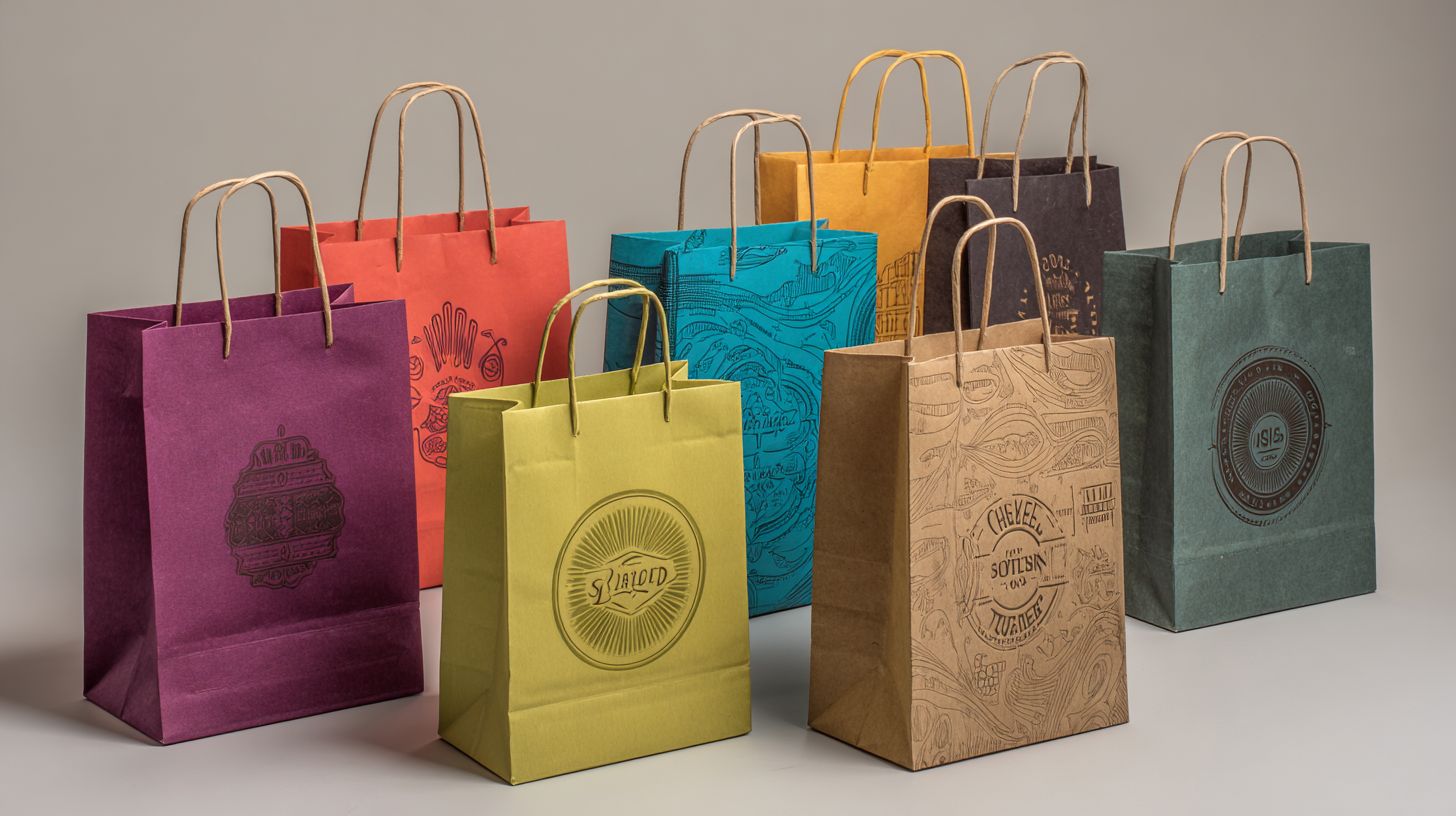
Custom die-cut handle bags are available in a variety of size and shape configurations to accommodate diverse packaging requirements. Standard small dimensions measure 6x3x10 inches, suitable for jewelry, while large sizes are 16x6x12 inches for apparel, in accordance with standards set by the Paper Bag Institute.
For optimal selection, the following categories are categorized by width and intended application:
- Small (4-8 inches wide): Suitable for gifts or jewelry, with a minimum order quantity of 500 units; supports up to 2 pounds, such as delicate earrings in boutique packaging.
- Medium (8-12 inches wide): Appropriate for retail shopping, incorporating gussets for expansion to accommodate 5-10 pounds, including items such as books or groceries.
- Large (12-18 inches wide): Engineered for bulk or wholesale applications, with reinforced bottoms capable of supporting 15-25 pounds, ideal for stacks of apparel.
Available shapes include rectangular (utilized in 70% of standard applications, such as Amazon e-commerce returns), square for compact displays, and custom die-cut designs (incurring fees of $100-300). Per the Flexible Packaging Association, gusseted configurations enhance capacity by 20-30%.
Finishing and Enhancement Options
Finishing options for custom paper die-cut handle bags enhance both protective functionality and visual aesthetics. In particular, matte lamination reduces fingerprint visibility by 40% on high-touch retail items, such as Sephora bags.
Lamination and Coating
Various lamination types, such as gloss coating, provide enhanced shine and water resistance for paper bags. These treatments are applied at a cost of $0.05 to $0.15 per unit, offering protection against moisture exposure for up to 24 hours in outdoor promotional applications.
Key options include:
- Matte lamination (non-glare finish, $0.08 per unit): Ideal for luxury retail packaging, it increases tear resistance by 20% in accordance with ASTM D1922 standards.
- Gloss lamination (shiny finish, $0.07 per unit): Suitable for bold graphics in promotional bags.
- Soft touch lamination (velvety feel, $0.12 per unit): Appropriate for premium gifts, as it enhances tactile appeal.
- Spot UV (selective shine, additional $0.10 per unit): Highlights logos selectively to create distinctive designs.
Lamination is applied post-printing through hot roller or cold seal methods on large-format presses. To prevent common issues such as bubbling, maintain 50% humidity control during the curing process.
For bags intended for food contact, utilize FDA-approved inks, such as those from Sun Chemical, to ensure compliance with 21 CFR 176.170 regulations.
Foiling and Embossing
Foil stamping and embossing impart a sense of tactile luxury to die-cut handle bags, with gold foil contributing an additional cost of $0.20-$0.50 per unit for metallic logos, as exemplified by wedding favor bags sourced from suppliers such as Etsy Premium.
To enhance the sophistication of your packaging, consider implementing the following three techniques.
- Foil stamping employs hot or cold application methods with metallic finishes to achieve bold branding; the setup cost is approximately $150 and is most suitable for production runs of 1,000 or more units. This technique is particularly effective for seasonal applications, such as shimmering Christmas logos on gift bags.
- Embossing elevates designs to create a textured effect, at a cost of $0.15-$0.30 per unit. It is well-suited to kraft paper for minimalist, eco-conscious brands, for instance, subtle leaf patterns on bags for organic products.
- Debossing recesses motifs into the material to deliver subtle elegance, thereby enhancing the premium aesthetic without introducing additional color.
To maintain quality standards, conduct testing on 100 GSM paper samples to verify durability and adherence to EU REACH regulations, thereby avoiding prohibited substances in accordance with the European Chemicals Agency guidelines.
Frequently Asked Questions
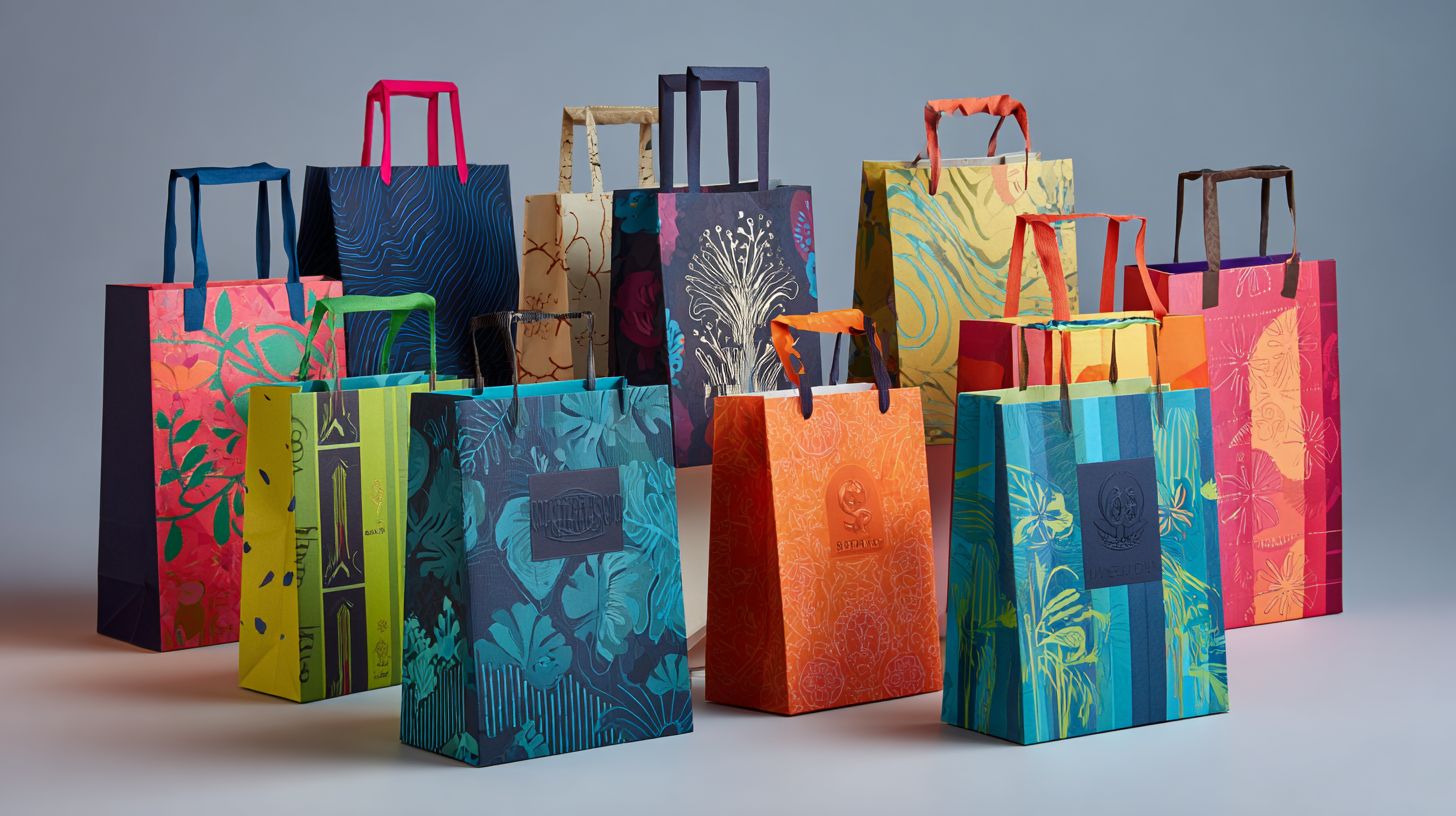
Q: What Are the Best Customization Options for Custom Paper Die Cut Handle Bags?
The best customization options for custom paper die cut handle bags include choosing from various paper types like kraft or coated stock, adding full-color printing or foil stamping for logos and designs, selecting die-cut handle shapes such as crescent or paddle styles, incorporating custom sizes to fit specific products, and adding finishing touches like matte or gloss lamination for durability and appeal. These options allow for versatile branding while maintaining an eco-friendly profile.
Q: What materials are recommended for customizing paper die cut handle bags?
For custom paper die cut handle bags, recommended materials include recyclable kraft paper for a rustic look, white or colored art paper for vibrant prints, and reinforced paperboard for added strength. These options ensure the bags are lightweight yet sturdy, with customization allowing thickness variations from 100gsm to 300gsm to suit different carrying needs.
Q: How can I personalize the printing on custom paper die cut handle bags?
Personalizing the printing on custom paper die cut handle bags can be done through digital printing for small runs with high detail, offset printing for large quantities with cost efficiency, or screen printing for bold, single-color designs. You can incorporate what are the best customization options for custom paper die cut handle bags by adding text, images, or patterns directly onto the bag’s surface for unique branding.
Q: What handle designs enhance custom paper die cut handle bags?
Enhancing custom paper die cut handle bags involves selecting die-cut handle designs like twisted paper handles for elegance, flat die-cut openings for simplicity, or custom-shaped cutouts for a modern twist. These what are the best customization options for custom paper die cut handle bags provide both functionality and aesthetic variety, ensuring comfortable carrying while showcasing your brand’s style.
Q: Are there eco-friendly customization choices for paper die cut handle bags?
Yes, eco-friendly customization choices for custom paper die cut handle bags include using FSC-certified recycled paper, soy-based inks for printing, and biodegradable laminates. Among what are the best customization options for custom paper die cut handle bags, these sustainable features reduce environmental impact without compromising on quality or visual appeal.
Q: How do size variations affect customization of paper die cut handle bags?
Size variations greatly affect customization of custom paper die cut handle bags, allowing options from small gift sizes (e.g., 8×10 inches) to large retail formats (e.g., 16×20 inches). This flexibility in what are the best customization options for custom paper die cut handle bags enables tailored fits for products, with adjustable handle placements to maintain balance and usability across different dimensions.
Q: Why are Custom Paper Die Cut Handle Bags Ideal for Packaging and sustainability?
Custom Paper Die Cut Handle Bags Ideal for Packaging because they are made from recyclable and biodegradable paper materials, helping businesses reduce their environmental impact. These bags eliminate the need for additional plastic handles, minimizing material usage while maintaining functionality and strength. Their lightweight design, customizable printing options, and eco-friendly appeal make them a popular choice for retailers, gift shops, and promotional events. By choosing custom paper die-cut handle bags, brands can enhance their packaging presentation while supporting sustainable business practices.
Ready to elevate your packaging with fully customized paper die cut handle bags? Aplasticbag offers premium printing, unique finishes, custom sizes, and eco-friendly options designed to make your brand stand out. Turn every bag into a powerful marketing tool that leaves a lasting impression on customers.
👉 Request Quote Today and discover how Aplasticbag can create custom paper die cut handle bags tailored to your brand, budget, and business goals!

 Key Advantages of Die Cut Bags for Trade Shows: A Smart Branding and Packaging Solution
  How Do Custom Paper Die Cut Handle Bags Enhance Brand Awareness?
  7 Creative Ideas for Custom Paper Die Cut Handle Bags
Comments