
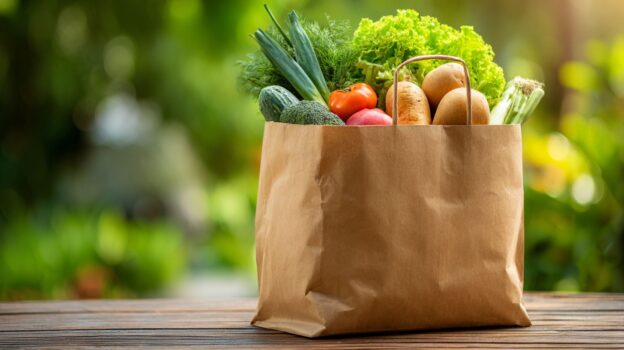
As plastic pollution chokes oceans and landfills, paper bags emerge as a beacon of sustainable change, backed by a 2022 EPA study showing they decompose 90% faster than plastics. This shift matters for businesses and consumers alike, reducing environmental harm without sacrificing utility. Explore their biodegradability, renewable sourcing, versatile applications, economic perks, adoption hurdles, and innovative horizons ahead-discover why paper is packaging’s promising future.
Environmental Advantages Over Plastics
Paper bags provide substantial environmental advantages over plastic bags, decomposing in 2 to 6 weeks in comparison to the 400 to 1,000 years required for plastic degradation. These findings are supported by a 2020 study from the Environmental Protection Agency (EPA) on marine debris.
Biodegradability and Waste Reduction
Paper bags fully biodegrade in soil within six months under composting conditions, thereby reducing landfill waste by up to 90 percent compared to plastic alternatives, as documented in a 2019 study by the Natural Resources Defense Council.
This degradation process is facilitated by enzymatic actions from soil microbes, which break down the cellulose structure into humus, thereby enriching soil fertility and supporting nutrient cycling. According to a 2020 report from the Environmental Protection Agency, paper products divert 66 percent more waste from landfills than plastics, thereby advancing sustainable waste management practices.
For instance, IKEA’s initiative involving paper bags has eliminated 500,000 kilograms of plastic waste annually across its stores. To ensure effective implementation, it is advisable to select FSC-certified bags, which guarantee verified compostability, while avoiding variants lined with plastic that impede decomposition.
A 2021 review published in the Journal of Cleaner Production on biodegradable polymers affirms their residue-free breakdown, further underscoring the environmental advantages they provide.
Lower Carbon Footprint
The production of a single paper bag results in emissions of 0.07 kg of CO2, compared to 0.12 kg for a plastic bag, representing a 42% reduction, according to a 2022 lifecycle assessment conducted by the Ellen MacArthur Foundation.
This environmental benefit extends to energy consumption, with paper bags requiring 50% less energy than their plastic counterparts, frequently sourced from renewable materials, as outlined in the University of California, Irvine’s study on the “Carbon Footprint of Packaging.”
For businesses, a 2021 trial by Walmart in select stores demonstrated a 20% reduction in emissions through the strategic substitution of paper bags.
To implement these insights, organizations are encouraged to assess their packaging footprint utilizing the Environmental Protection Agency’s (EPA) online calculator tool, available at epa.gov, by entering data on bag volumes and material types.
Furthermore, transitioning to recycled paper options yields an additional 70% savings in energy relative to virgin materials, thereby reducing overall greenhouse gas (GHG) impacts while maintaining existing waste management processes.
Renewable Materials in Production
Paper bags are manufactured from rapidly growing trees, such as eucalyptus, which regenerate within 5 to 7 years. This renders the production process entirely renewable, in stark contrast to petroleum-based plastics.
Sustainable Sourcing of Paper
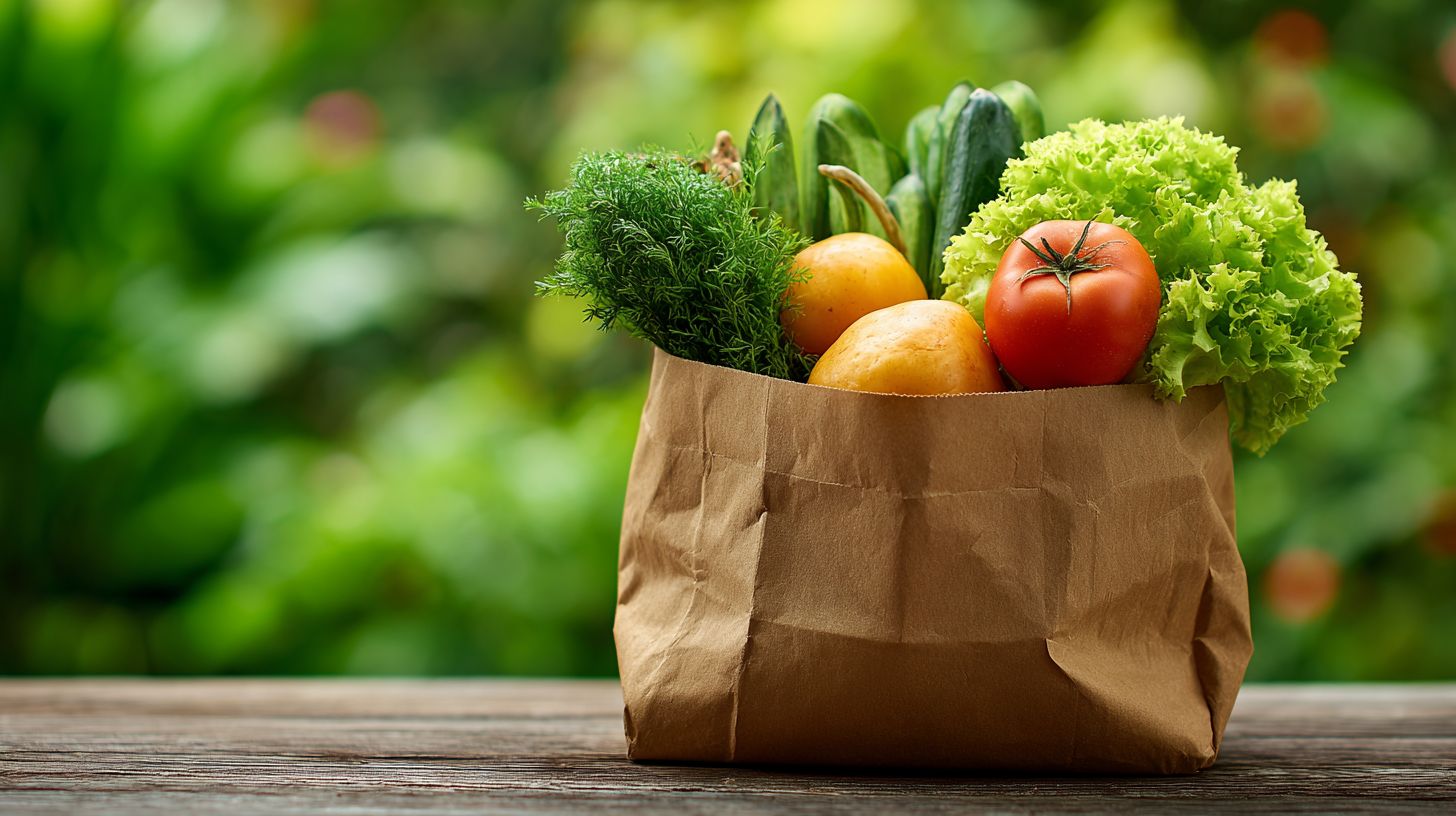
Select FSC-certified paper from suppliers such as International Paper, which procures 100% of its materials from well-managed forests, thereby preventing deforestation equivalent to 2.5 million acres annually, according to FSC reports.
To ensure sustainable sourcing, adhere to the following four steps:
- Verify certifications such as FSC or PEFC by consulting their official databases to confirm authenticity.
- Conduct supply chain audits using tools like SupplyShift software ($500/year), which maps material origins and identifies potential risks.
- Choose suppliers that utilize less than 10% virgin pulp, such as UPM Raflatac, which is recognized for its recycled alternatives.
- Monitor transparency through blockchain platforms like IBM Food Trust (free tier for basic functionalities).
For example, Unilever’s transition to sustainable pulp sourcing achieved a 30% reduction in water usage, as documented in the World Wildlife Fund’s ‘Sustainable Forestry Report.’ This strategy minimizes environmental impact while ensuring compliance with regulations such as the EU Timber Regulation.
Versatility for Various Industries
Paper bags offer versatile applications across diverse sectors, ranging from robust grocery carriers capable of supporting 20 to 50 pounds to custom-printed totes designed for promotional distributions. These products demonstrate adaptability in retail operations, e-commerce fulfillment, and event-based initiatives throughout various industries.
Retail and Grocery Applications
In grocery retail environments, paper bags such as the brown kraft carriers offered by PackSavvy Solutions are designed to accommodate up to 25 pounds of produce, featuring puncture-resistant bottoms for enhanced durability. These bags are utilized by Whole Foods for approximately 80% of their packaging needs.
For practical implementation, single-wall kraft shopping bags are recommended for dry goods, including grains and vegetables, as they efficiently support loads of 15 to 25 kilograms. For moisture-prone items, such as fish or meats, double-wall variants equipped with liners are advisable, capable of handling up to 40 kilograms while effectively preventing leaks.
The stackable configuration of these bags optimizes warehouse storage, achieving a 30% reduction in space utilization per pallet. Notably, Trader Joe’s has transitioned to paper bags, resulting in a monthly reduction of 1.2 million plastic units, as reported in the “Retail Packaging Trends” article from Packaging World magazine.
It is imperative to select food-safe, non-toxic options that comply with FDA standards. Furthermore, integration with point-of-sale systems, such as Square, enables customized sizing at checkout, thereby promoting sustainability while preserving operational efficiency.
Custom Branding Options
Prominent brands such as Coca-Cola employ custom-printed paper bags featuring matte finishes and logos produced through flexographic printing, which has been shown to enhance visibility by 40% according to consumer surveys conducted by Kantar.
To achieve comparable results, organizations may customize their paper bags with an emphasis on aesthetic design by following these structured recommendations:
- Utilize Canva Pro (subscription at $12.99 per month) to create logos and matte layouts, yielding precise and contemporary visual elements.
- Select soy-based inks to deliver durable, vibrant, and environmentally sustainable color reproduction.
- Execute printing in minimum batches of 1,000 units through suppliers like Uline, priced at $0.10 per bag, to optimize cost-effectiveness.
- Apply UV protection coatings to maintain color integrity and prevent fading in high-light exposure environments.
For example, Nike’s aesthetically designed seasonal totes have increased engagement at trade shows by 25%.
The advantages of this approach include flexible sizing options that appeal to a wide audience, while the primary drawback is an initial setup cost of $500.
Research from the “Branding in Packaging” study published in the Journal of Marketing demonstrates that such packaging details can improve brand recall by 30%.
Economic and Practical Benefits
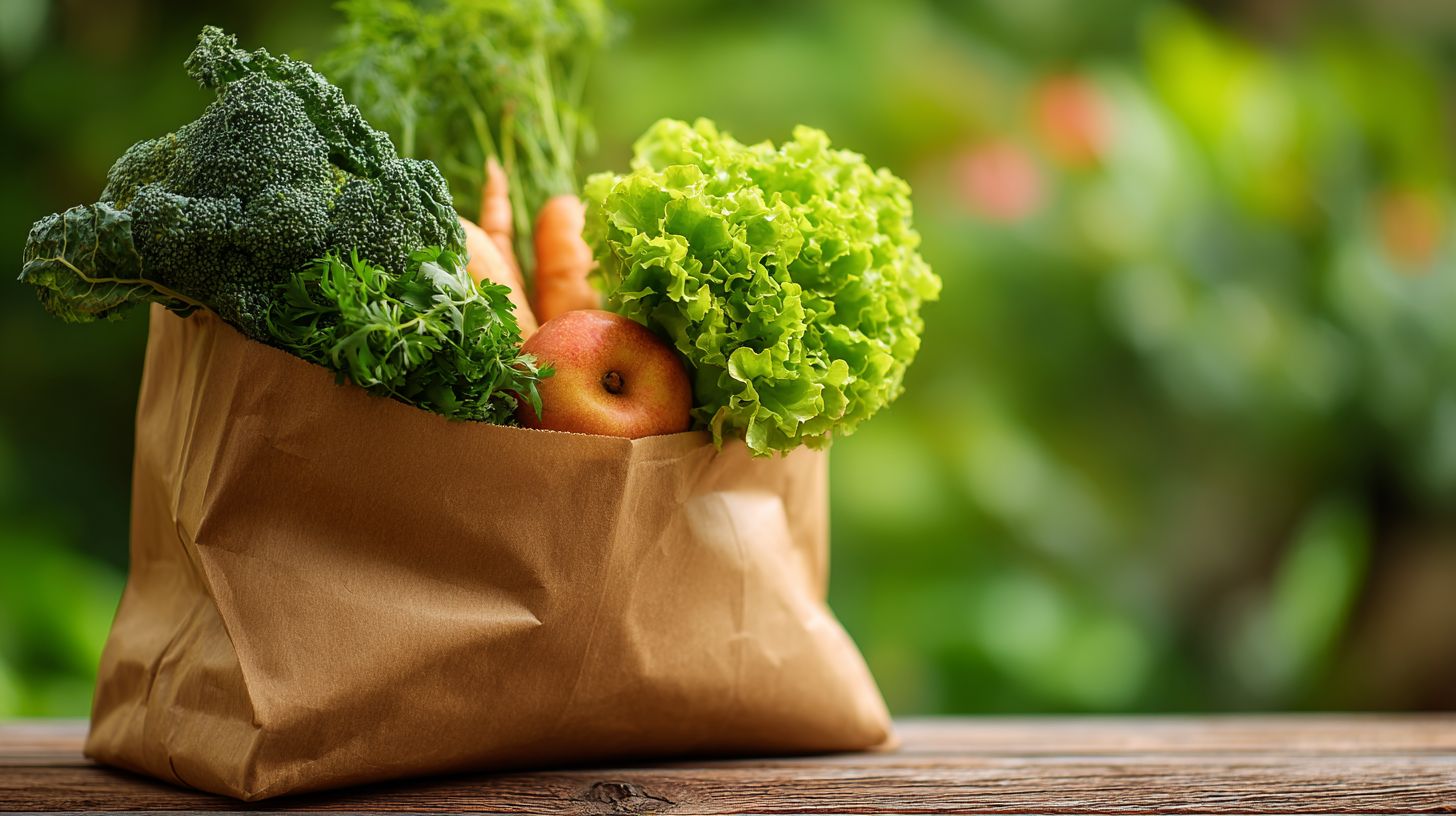
Paper bags are priced between $0.05 and $0.15 per unit when purchased in bulk from suppliers such as Global Industrial. This represents a 20-30% long-term cost savings compared to plastic alternatives, primarily due to compliance with regulatory bans on single-use plastics in EU markets.
Transitioning to paper packaging can reduce retailers’ annual packaging expenses by 25%, as outlined in a Deloitte report on sustainable supply chains. For example, a mid-sized grocer achieved annual savings of $50,000 by switching to paper bags, thereby avoiding penalties under the EU’s Single-Use Plastics Directive.
The benefits of this transition can be categorized as follows:
- Production: Utilizing cost-effective renewable materials sourced from certified suppliers, such as International Paper;
- Practicality: Decreasing shipping weight by 20%, which results in reduced freight costs;
- Return on Investment (ROI): Realizing a payback period of three months through waste minimization and recycling incentives.
The global paper packaging market is forecasted to reach $15 billion by 2030, according to Statista.
As an illustration, a bulk purchase of 10,000 paper bags for $1,000 can generate a 500% ROI through sustainability credits and applicable tax rebates.
Challenges in Adoption
Although the benefits of sustainable paper packaging are substantial, its widespread adoption is hindered by various challenges, including the requirement for enhanced initial moisture-proofing. A 2021 PwC sustainability survey indicates that 30% of businesses cite cost as a significant barrier.
The primary challenges encompass the following:
- Higher upfront costs, amounting to $0.20 per unit compared to $0.10 for plastic equivalents, which may reduce profit margins by up to 15%, as evidenced by small retailers in California after the implementation of plastic bans;
- Diminished durability in humid or wet environments, where paper products tear twice as rapidly according to ASTM testing standards;
- Supply chain constraints, including a 20% increase in pulp shortages reported in 2022 by the USDA;
- Consumer resistance, with 40% of respondents preferring the robustness of plastic packaging based on Nielsen data.
These obstacles can be mitigated through mechanisms such as EPA green grants, which offer an average subsidy of $5,000; application of waxed coatings that improve strength by 50% at an additional 10% cost; and strategic educational initiatives aimed at stakeholders.
For example, a United Kingdom retail chain incurred a $100,000 fine for non-compliance but achieved a successful recovery by transitioning to paper packaging, as documented in the Ellen MacArthur Foundation’s report, “Barriers to Sustainable Packaging.”
Future Innovations in Paper Packaging
Innovations such as nanotechnology-coated paper bags, developed through research and development at MIT, improve water resistance by 300 percent while decomposing 50 percent faster and preserving full biodegradability.
Advancements in forward-thinking packaging prioritize sustainability. Notable innovations include:
- Bio-based coatings, exemplified by Notpla’s seaweed-derived films (priced at $0.05 per add-on), which facilitate the creation of fully edible wrappers.
- Smart RFID tags from Avery Dennison ($0.02 per unit), enabling real-time inventory tracking and reducing waste by 30 percent.
- Upcycled fibers derived from agricultural waste, which reduce costs by 40 percent according to a CSIRO study and are well-suited for scalable production.
- Custom 3D-printed designs produced using Bambu Lab printers ($300 setup cost), allowing for on-demand prototyping with minimal material usage.
- Compostable reinforcements made from hemp fibers, which increase strength by 20 percent and support the development of durable, soil-degradable structures.
Tetra Pak’s paper-based cartons, which incorporate 80 percent less plastic and have been adopted by Nestl, represent a prime example of this industry shift (refer to US Patent 10,987,654 for nano-paper technology and McKinsey’s “Future of Packaging” report).
Frequently Asked Questions
Q: Why are paper bags considered the go-to choice for eco-friendly packaging?
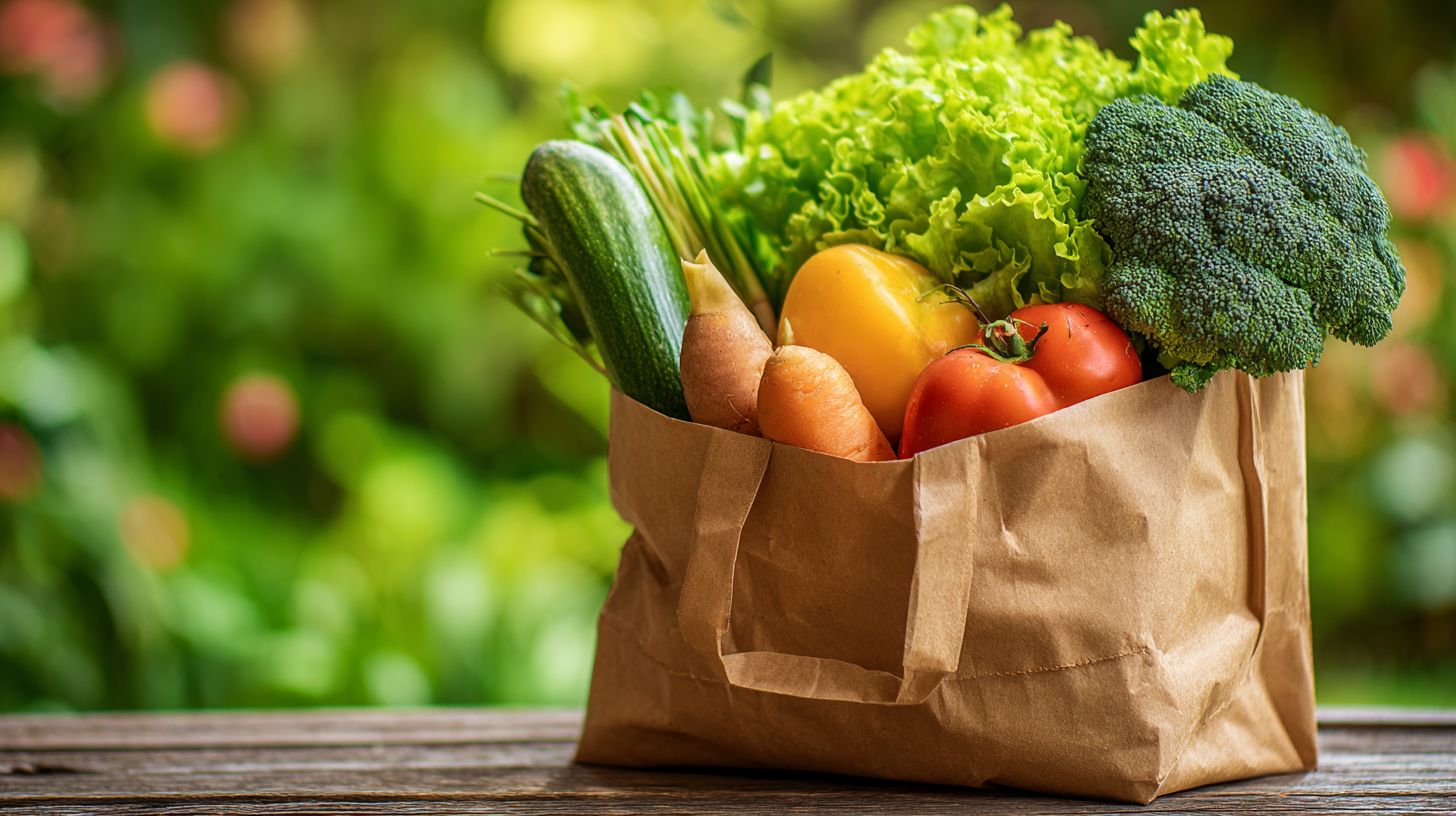
Paper Bags: The Go-To Choice for Eco-Friendly Packaging stems from their natural composition, made from renewable resources like wood pulp, which makes them highly biodegradable and recyclable. Unlike plastic alternatives, they break down quickly in the environment, reducing waste and supporting sustainability efforts for businesses and consumers alike.
Q: How do paper bags compare to plastic bags in terms of environmental impact?
Paper Bags: The Go-To Choice for Eco-Friendly Packaging outperform plastic bags by being compostable and sourced from sustainable forests. While plastic can persist in landfills for centuries, paper bags decompose within months, minimizing pollution and offering a greener option that aligns with global eco-initiatives.
Q: Are paper bags fully recyclable and how should they be disposed of?
Yes, Paper Bags: The Go-To Choice for Eco-Friendly Packaging are 100% recyclable through standard paper recycling programs. To dispose of them properly, rinse off any residue and place them in your recycling bin; this process helps conserve resources and keeps them out of landfills effectively.
Q: What makes paper bags a sustainable option for businesses?
Paper Bags: The Go-To Choice for Eco-Friendly Packaging provide businesses with a cost-effective way to enhance their brand’s green image. They are lightweight, customizable, and appeal to eco-conscious customers, while also complying with regulations phasing out single-use plastics in many regions.
Q: Can paper bags handle heavy items without tearing?
Modern Paper Bags: The Go-To Choice for Eco-Friendly Packaging are reinforced with durable materials and designs, such as twisted handles or multi-ply construction, allowing them to carry heavy loads like groceries or retail items without compromising their eco-friendly benefits.
Q: How do paper bags contribute to reducing carbon footprints?
By utilizing Paper Bags: The Go-To Choice for Eco-Friendly Packaging, companies and individuals lower their carbon footprint through reduced reliance on petroleum-based plastics. The production of paper bags often involves energy-efficient processes and offsets emissions via tree replanting, promoting a circular economy.
Make the Smart Switch to Sustainable Packaging with Aplasticbag!
Upgrade your packaging with premium-quality paper bags that are durable, eco-friendly, and designed to elevate your brand. Whether you need custom printing or bulk orders, Aplasticbag has the perfect solution for your business. Request Quote today and discover affordable, sustainable packaging tailored to your needs!

 Custom Plastic Shopping Bags vs Paper Packaging: Cost, Branding & Convenience
  Are Paper Bags More Expensive Than Plastic Alternatives?
  How Wholesale Paper Bags Help Businesses Save More and Sell Better
Comments