
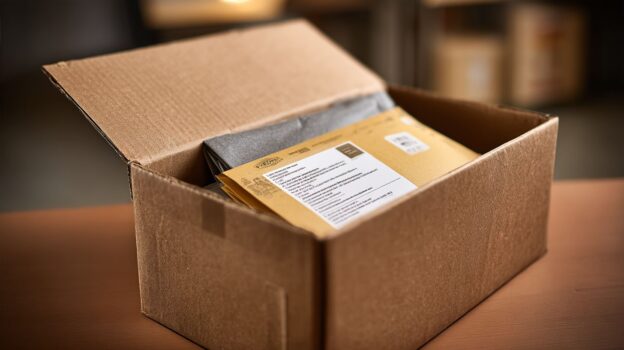
It is often said that some products sell themselves. While this may be true for a select few, the reality is that most products rely heavily on marketing, branding, and first impressions to capture customer attention. One of the most influential and frequently underestimated elements of this first impression is product packaging.
Before a consumer ever experiences the quality, functionality, or value of a product, they interact with its packaging. The shape, material, messaging, and sustainability of packaging all play a critical role in shaping buyer perception. In crowded retail environments and competitive eCommerce spaces, packaging often becomes the silent salesperson.
Choosing the right packaging is not simply about aesthetics; it impacts customer expectations, operational efficiency, production scalability, and brand trust. While every product category has unique requirements, there are four essential questions that can guide businesses toward smarter packaging decisions. Addressing these questions early can help avoid costly mistakes and ensure long-term success.

1. Should You Choose Unique Packaging or Follow Industry Standards?
Unique packaging can be a powerful differentiator. When done right, it helps a product stand out on the shelf, increases brand recall, and reinforces premium positioning. Custom shapes, textures, or materials can create a memorable unboxing experience that resonates with consumers long after purchase.
However, innovation must be balanced with familiarity. Many industries have well-established packaging norms because they serve functional and psychological purposes. For example, bottled water is typically sold in clear containers because consumers expect to see the product they are buying. Deviating too far from such norms can confuse customers or even discourage purchase.
The most effective strategy is often a hybrid approach. By maintaining standard packaging structures while introducing creative elements such as custom labels, finishes, or closures brands can stand out without alienating buyers. This balance allows companies to respect consumer expectations while still building a distinct visual identity.
2. Is Your Packaging Delivering What Customers Expect?
Customer expectations are shaped by habit, industry trends, and evolving values. Packaging that fails to meet these expectations risks disappointing consumers, even if the product itself is high quality.
Understanding your target audience is essential. Are they looking for convenience, durability, premium appeal, or eco-friendliness? In many cases, expectations change over time. For instance, while plastic containers were once the default in many industries, growing environmental awareness is now pushing brands toward alternative solutions.
Staying ahead of these shifts helps brands remain relevant. Monitoring customer feedback, market trends, and regulatory developments ensures that packaging decisions align with both current and future demands. When packaging evolves alongside consumer expectations, it strengthens brand loyalty and supports consistent sales growth.
3. Is the Packaging Sustainable Enough for Today’s Market?
Sustainability is no longer a niche concern it has become a core purchasing factor for a large segment of consumers. Sustainable packaging typically involves using recyclable, reusable, or renewable materials while minimizing waste throughout the product lifecycle.
This includes not only the package itself but also shipping efficiency, material sourcing, and energy consumption during production. Many buyers now actively seek brands that demonstrate environmental responsibility, making sustainability a competitive advantage rather than an optional feature.
Businesses that invest in sustainable packaging often benefit from improved brand perception and long-term cost efficiencies. Whether through material reduction, recyclable designs, or responsible sourcing, sustainability initiatives can significantly influence purchasing decisions and help brands stand out in a values-driven marketplace.
4. Will Your Packaging Restrict Production or Increase Costs?
Packaging decisions have a direct impact on manufacturing efficiency and operational costs. Unusual shapes, oversized containers, or complex materials may require specialized machinery or additional labor, increasing production time and expenses.

For example, certain materials may slow down filling, sealing, or labeling processes, while larger containers naturally take longer to fill and transport. Custom packaging machinery can be costly, and relying on manual labor or contract packaging solutions may introduce scalability challenges.
To avoid these issues, businesses should evaluate packaging choices alongside production capabilities. The goal is to select packaging that supports efficient workflows, meets volume requirements, and aligns with budget constraints. A well-planned packaging strategy ensures smooth operations without sacrificing visual appeal or functionality.
Additional Considerations Before Finalizing Packaging
Beyond these four core questions, several other factors may influence packaging decisions. Material availability, shipping logistics, storage requirements, and container size all play a role in overall efficiency. Many businesses also rely on wholesale packaging bags to streamline costs while maintaining consistent quality across product lines.
By addressing these considerations early in the design phase, companies can reduce waste, avoid delays, and create packaging that supports both branding and operational goals.
Frequently Asked Questions (FAQ)
Q: What are the most cost-effective packaging options for growing businesses?
Cost-effective packaging solutions often focus on standard sizes, readily available materials, and scalable designs. Using Plastic Bags for certain products can reduce material costs while maintaining durability and flexibility. Businesses should also consider packaging that minimizes shipping volume to reduce logistics expenses.
Many brands balance affordability with quality by choosing packaging that aligns with existing production equipment rather than investing in custom machinery.
Q: How does packaging impact shipping and logistics efficiency?
Packaging plays a major role in shipping efficiency by affecting weight, volume, and handling requirements. Compact, lightweight designs reduce freight costs and storage space. Choosing the right bulk shipping supplies can further streamline fulfillment processes and protect products during transit.
Optimized packaging not only lowers shipping expenses but also reduces damage rates, improving customer satisfaction and lowering return costs.
Q: Where can businesses source packaging materials at scale?
Companies looking to scale often partner with suppliers offering packaging supplies wholesale to maintain consistency and control costs. Wholesale sourcing allows businesses to plan inventory more effectively and avoid production delays caused by material shortages.
Establishing long-term relationships with reliable suppliers also ensures better pricing, predictable lead times, and access to new packaging innovations.
Q: Why is packaging important for eCommerce businesses?
In eCommerce, packaging serves as both protection and branding. Since customers don’t interact with products physically before purchase, packaging becomes part of the overall experience. Durable, well-designed shipping supplies ensure safe delivery while reinforcing brand professionalism.
Thoughtful packaging can also encourage repeat purchases and social sharing, especially when it creates a positive unboxing experience.
Final Thoughts
Selecting the right product packaging is a strategic decision that affects far more than appearance. It influences customer perception, sustainability credentials, production efficiency, and long-term profitability. By asking the four essential questions outlined above, businesses can make informed choices that balance creativity with practicality.
When packaging aligns with consumer expectations, operational capabilities, and brand values, it becomes a powerful tool for growth helping products stand out, scale efficiently, and succeed in competitive markets.
Ready to finalize packaging that truly represents your brand?
At aplasticbag.com, we offer high-quality, customizable packaging solutions designed to protect your products and elevate your presentation. Whether you need durability, sustainability, or standout design, our experts are here to help.
Order now and get packaging tailored to your needs-competitive pricing, fast turnaround, and reliable service you can trust. Don’t settle for ordinary packaging; make a lasting impression with aplasticbag.com today.

 10 Benefits of Using Custom Printed Packaging for eCommerce Brands
  Wholesale Packaging Supplies: How Businesses Save Money with Bulk Orders
  The Business Case for Sustainable Packaging: A Strategic Guide for Modern Brands
Comments