
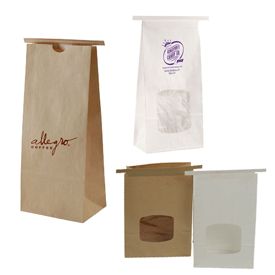
When businesses explore packaging options, hygiene is now just as important as branding, durability, and sustainability. From retail stores to food service brands, companies rely heavily on custom printed bags to deliver products safely while reinforcing their identity. But a common question still sparks debate: are paper bags more sanitary than plastic?
With growing awareness about how germs spread through frequently handled surfaces, the comparison between paper and plastic bags deserves a closer look. Both materials have strengths and weaknesses, and sanitation depends on far more than appearance alone. Below, we break down how bacteria and viruses interact with each material and how businesses can make safer packaging decisions.
Understanding How Germs Spread on Packaging Materials
Bacteria and viruses behave differently depending on surface texture, moisture retention, and environmental conditions. Bags are often reused, folded, stored in cars, or placed on counters—making them potential carriers of microbes if not handled properly.
Reusable and disposable bags alike can become contaminated through contact with food residue, hands, checkout counters, and transportation surfaces. The real issue isn’t just whether the bag is paper or plastic—it’s how it’s manufactured, stored, cleaned, and reused.
Paper Bags: Hygiene Facts You Should Know
Paper bags are popular for their natural appearance and recyclability. Many consumers associate paper with being “cleaner,” but scientifically, that isn’t always the case.
Paper is a porous material, which allows it to absorb moisture easily. Moist environments help bacteria survive longer, especially if food particles or liquids are present. When paper bags are reused multiple times without proper storage, they can harbor microbes in the fibers, making them harder to disinfect thoroughly.
That said, many modern wholesale paper bags are manufactured under controlled environments and are intended for single or limited use, reducing contamination risks. When used once and properly recycled, paper bags can remain a hygienic option for retail and takeaway packaging.
Another factor is storage. Paper bags kept in humid areas or stacked improperly can develop mold or bacteria faster than bags stored in dry, ventilated conditions.
Plastic Bags: What Makes Them Different?
Plastic bags are made from non-porous materials, which means they don’t absorb moisture the way paper does. This can make cleaning and sanitizing easier, especially for reusable bags.
However, certain plastics can allow bacteria and viruses to survive longer on their surfaces. Some materials, such as polypropylene, have been shown to retain viruses for extended periods if not disinfected properly. This makes sanitation practices critical, particularly for reusable plastic bags.
Businesses that source from a Plastic Bags Manufacturer in USA often benefit from stricter quality controls, food-safe materials, and regulated production standards that reduce contamination risks during manufacturing.
When properly sanitized and stored, plastic bags, especially those designed for multiple uses can be a reliable and hygienic solution for many industries.
Reusable Bags and Hygiene Risks
Whether paper or plastic, reusable bags pose the highest hygiene risk when they are not cleaned regularly. Studies have shown that reusable grocery bags stored in warm environments like car trunks can become breeding grounds for bacteria.
The key takeaway is simple: reuse requires responsibility. Regular washing or sanitizing dramatically lowers contamination risks, regardless of material.
Environmental Impact vs. Sanitation
Sanitation concerns often intersect with sustainability discussions. While paper is biodegradable, it may require more resources to produce depending on the manufacturing process. Plastic, on the other hand, can be reused many times before disposal, which may reduce its overall environmental footprint when used responsibly.
Businesses evaluating Custom Printed Plastic Bags Wholesale Price should consider not just upfront cost, but lifespan, reuse potential, and sanitation ease. A bag used safely multiple times may outperform a single-use option in both hygiene and sustainability metrics.
Choosing the Right Custom Bags for Your Business
Selecting the safest packaging option depends on how the bags will be used. Food service, retail, healthcare, and promotional events all have different handling patterns.
Partnering with a reliable Custom Printed Bags Manufacturer ensures that materials meet safety standards and are produced in sanitary facilities. Quality manufacturers also provide guidance on proper usage and care instructions for reusable packaging.
For businesses distributing bags to customers, clear instructions such as “single-use only” or “wash before reuse”—can significantly reduce health risks.
Safe Manufacturing Makes the Difference
Modern bag manufacturing includes sterilized production lines, sealed packaging, and quality checks that minimize contamination before bags ever reach your business. Reputable suppliers maintain hygiene protocols throughout the supply chain.
At APlasticBag.com, safety is integrated into every step from raw material handling to final delivery. Whether you choose paper or plastic, proper manufacturing standards play a major role in sanitation.
Final Verdict: Are Paper Bags More Sanitary Than Plastic?
There is no universal winner. Paper bags are excellent for short-term, single-use scenarios when kept dry and clean. Plastic bags excel in reusability and ease of sanitization when properly maintained.
The safest choice is the one that matches your usage pattern, is sourced responsibly, and is handled correctly after distribution.
FAQs
Q: Are custom packaging bags safe for everyday retail use?
Yes, when sourced from certified suppliers, bags used for retail are manufactured in controlled environments that limit contamination. This applies to both paper and plastic packaging options, especially when handling guidelines are followed and bags are not reused improperly. Proper sourcing plays a bigger role in safety than material alone.
Q: Do wholesale paper bags pose hygiene risks for food packaging?
Paper bags can safely be used for food when they are dry, clean, and intended for single use. Problems arise mainly when bags are reused or exposed to moisture. Many businesses rely on wholesale paper bags for takeout and bakery items with minimal risk when used correctly.
Q: How do manufacturers control hygiene in plastic bag production?
Manufacturers use sealed processing environments, food-grade materials, and automated handling to reduce human contact. Companies offering Custom Printed Plastic Bags Wholesale Price options often follow strict quality checks to ensure cleanliness before shipment and delivery.
Q: Are reusable bags less sanitary than disposable ones?
Reusable bags are safe when cleaned regularly. Issues occur when they are stored unwashed or used for multiple purposes. Washing reusable bags, paper or plastic, significantly lowers bacteria levels and keeps them safe for continued use.
Q: Why does choosing a reliable bag manufacturer matter?
Working with a trusted Custom Printed Bags Manufacturer ensures your packaging meets hygiene, durability, and compliance standards. Quality suppliers invest in safer materials, better production controls, and clear usage guidelines, reducing health risks for both businesses and consumers.
Ready to choose packaging that fits your hygiene standards and your brand goals?
At aplasticbag.com, we offer high-quality custom paper bags and plastic bags designed for safety, durability, and everyday use across food, retail, and e-commerce industries. Whether you need eco-friendly paper options or moisture-resistant plastic packaging, our team helps you customize size, material, and printing to match your exact needs.
Order now from aplasticbag.com and get reliable, hygienic packaging solutions that protect your products, enhance your brand image, and keep your customers confident. Your packaging upgrade starts here.

 Custom Plastic Shopping Bags vs Paper Packaging: Cost, Branding & Convenience
  Paper Bags: The Go-To Choice for Eco-Friendly Packaging
 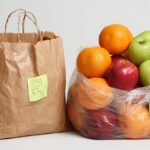 Are Paper Bags More Expensive Than Plastic Alternatives?
Comments