
Domestic vs. Imported Custom Bags: Which Is Better for US Businesses?
Domestic and imported custom bags can both offer value, but the right choice depends on your budget, order quantity, quality expectations and delivery deadline. For US businesses, domestic sourcing can simplify communication and shorten shipping routes, while importing may offer competitive factory pricing for large orders. The best decision comes from comparing the total delivered cost, product specifications and confirmed delivery schedule rather than the unit price alone.
For retailers, eCommerce companies, restaurants and wholesalers, packaging is a recurring business expense. A small price difference can become significant across thousands of bags, but delayed deliveries or inconsistent quality can cost even more. Understanding the differences between domestic and imported custom bags helps you make a practical purchasing decision.
1. What Is the Difference Between Domestic and Imported Custom Bags?
Domestic custom bags are manufactured in the United States. Depending on the supplier, printing, production and quality checks may take place locally, making it easier to coordinate samples, artwork approvals and order changes.
Imported custom bags are manufactured outside the United States and shipped to US buyers. International suppliers may offer competitive factory pricing, particularly for large production runs and standardized designs. However, international freight, import duties, customs clearance and longer transportation schedules can affect the final cost.
It is important to confirm the actual manufacturing location. A US-based supplier does not necessarily manufacture every product domestically, and a supplier selling imported products may also offer US-made options.
2. Domestic vs. Imported Custom Bags: Cost Comparison
The biggest mistake buyers make is comparing factory prices without calculating the complete cost of getting usable bags into their inventory.
Domestic production may involve higher manufacturing costs, while overseas factories may benefit from different labor costs and production capacities. However, imported orders can incur international shipping, customs brokerage, applicable duties, currency fluctuations and additional inventory expenses.
| Cost factor | Domestic custom bags | Imported custom bags |
|---|---|---|
| Factory price | Depends on material, design and production volume | May be lower for comparable specifications |
| International freight | Not required for US-made goods shipped domestically | Generally applicable |
| Import duties | Generally not applicable to domestically manufactured goods | May apply according to classification and origin |
| Delivery costs | Domestic shipping and handling | International and domestic transportation |
| Reordering | May offer easier coordination for urgent replenishment | Requires planning around production and transit |
| Bulk pricing | Competitive pricing may be available | Potentially attractive for large production runs |
| Inventory costs | Depend on order size and delivery frequency | May increase when larger orders or longer lead times require extra stock |
Are imported custom bags always cheaper? No. There is no single percentage that accurately describes the savings across all bag types. Material, thickness, printing, dimensions, order quantity, freight and import charges all influence the final price.
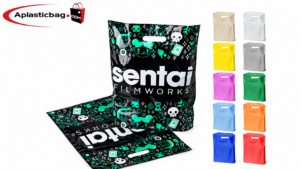
For example, a retailer ordering 10,000 custom-printed shopping bags should request quotes for the same size, material, handle style, print colors and packaging requirements. Comparing different specifications can make one supplier appear cheaper when the products are not equivalent.
Calculate the delivered cost using this formula:
Delivered cost per bag = Total order cost ÷ Number of acceptable bags received
Include production, printing, shipping, applicable duties, brokerage and inspection expenses. This provides a more useful comparison than the quoted factory price.
Businesses planning their budgets can also explore custom plastic bags to review available packaging options before requesting a comparable quote.
3. Which Offers Better Quality: Domestic or Imported Bags?
Manufacturing location alone does not determine quality. Material selection, production controls, printing accuracy and the supplier’s ability to maintain consistent specifications are more important.
Domestic sourcing can make communication and sample approval easier, especially when a business needs adjustments before production. Imported manufacturers can also deliver consistent, high-quality bags when specifications are clear and appropriate quality checks are in place.
Before approving a supplier, review these five factors.
Material and thickness: Confirm the exact material and thickness required for your application. A lightweight merchandise bag and a bag designed for heavier products have different performance requirements.
Construction and durability: Inspect seams, seals, handles and other stress points. Test samples under realistic carrying or shipping conditions.
Printing quality: Approve the artwork proof and verify logo placement, colors, print dimensions and overall appearance.
Consistency between orders: Ask how the supplier checks finished bags and handles defects. Retain approved samples and written specifications for repeat orders.
Compliance: Confirm the requirements applicable to your bag material, intended use and destination market. US federal, state and local rules can differ, particularly for certain types of shopping bags and food-contact packaging.
For instance, a clothing boutique may prioritize premium finishes and accurate branding, while a grocery business may focus on carrying performance, consistent sizing and dependable bulk availability.
4. Domestic vs. Imported Custom Bags: Lead-Time Comparison
Lead time can determine whether packaging arrives in time for a holiday promotion, product launch, trade show or busy sales period.
Domestic orders may have shorter delivery schedules when production capacity and materials are available. Imported orders typically require additional time for international transportation and import processing. However, production complexity, supplier capacity and artwork approval can affect either option.
APlasticBag’s published product listings illustrate why buyers should check the specific product rather than assume every custom bag follows the same schedule.
| Published product example | Listed minimum order | Listed production time |
|---|---|---|
| Imprinted die-cut handle bags, specified configuration | 250 bags | Varies by configuration; confirm with supplier |
| Custom high-density T-shirt bags | 5,000 bags | Confirm current production estimate |
| Imprinted drawcord plastic bags, specified configuration | 250 bags | Confirm current production estimate |
These figures reflect product-specific minimum order quantities, not a universal domestic-versus-imported comparison. Production times must be confirmed for the selected configuration and current order conditions.
Remember that production time is not the same as total delivery time. Imported orders may require sample approval, manufacturing, international transit, customs clearance and final domestic delivery. Domestic orders also require production and shipping time.
If you have a fixed deadline, request a written delivery estimate that identifies what is included. Allow additional time for artwork revisions, unexpected production issues or transportation delays.
5. Minimum Order Quantities: Which Is Better for Small Businesses?
Minimum order quantity (MOQ) determines how many bags a supplier requires you to purchase in one order. It directly affects cash flow, storage space and the amount of inventory you must manage.
Some customized bag configurations are available with minimums of around 250 units, while many standard custom shopping bag products require 5,000 bags or more. The actual minimum depends on the product, printing process, material and customization requirements.
For a small US business, a smaller order can be worthwhile even if the unit price is higher. It reduces the risk of holding unused packaging when branding, product dimensions or business needs change.
Larger businesses with predictable demand may benefit from bulk pricing, provided they have enough storage and can use the bags before their packaging requirements change.
Request quotes at several quantities, such as 5,000, 10,000 and 25,000 bags. Compare the savings against the additional inventory investment rather than automatically selecting the largest order.
6. Hidden Costs and Risks US Buyers Should Consider
Both sourcing options require due diligence. Domestic orders can still face production delays, shipping charges and material shortages. Imported orders introduce additional variables that buyers should address before placing a purchase order.
Pay particular attention to customs duties and product classification, changes in international freight costs, sample approval, quality inspection and communication with the manufacturer. Confirm which party is responsible for transportation, import processing and any additional charges.
It is also worth asking how defective products will be handled and whether replacement production could affect your delivery schedule.
For eCommerce businesses, packaging requirements may differ from retail shopping bags. If you need lightweight packaging for shipping orders, explore custom plastic shopping bags for retail applications and compare the available styles with your actual packaging needs.
A written specification, approved sample and clear delivery agreement can reduce misunderstandings regardless of where your bags are manufactured.
7. How to Choose the Right Custom Bag Supplier
Start by identifying your main priority. If your business needs fast replenishment, direct communication and shorter shipping routes, domestic sourcing may be a better fit. If your order volume is large, your design is stable and you have sufficient planning time, importing may be worth evaluating.
Before deciding, compare at least two quotes using the same specifications. Confirm the minimum order, production schedule, shipping method, total delivered price and quality-control process.
For branded packaging, make sure the supplier understands your artwork requirements and can provide a sample or proof before full production. For recurring orders, document the approved specifications so that future deliveries can be evaluated against the same standards.
The best supplier is not necessarily the one with the lowest initial price. It is the one that provides the right product, within your budget and by the date your business needs it.
Frequently Asked Questions
Q: Are domestic custom bags more expensive than imported bags?
Not always. Imported bags may have lower factory prices, but freight, applicable duties, brokerage and inventory costs can reduce the savings. Compare the total delivered cost for equivalent specifications.
Q: Do imported custom bags always take longer to arrive?
International orders generally require additional transportation and import-processing time. Actual delivery depends on manufacturing capacity, shipping methods, customs clearance and the final delivery arrangements.
Q: Can imported bags match the quality of US-made bags?
Yes. Both domestic and international manufacturers can produce high-quality bags. Material specifications, printing accuracy, manufacturing controls and inspections are better indicators of quality than country of origin alone.
Q: What is a typical MOQ for custom bags?
There is no universal minimum. Some customized configurations start at approximately 250 bags, while many standard custom shopping bag products require 5,000 or more. Confirm the MOQ for your exact product and design.
Q: How early should I order custom bags?
Begin with the supplier’s confirmed production estimate, add shipping time and allow a buffer for revisions or unexpected delays. Imported orders generally require more advance planning, particularly for seasonal campaigns.
Get the Right Custom Bags for Your US Business
Choosing between domestic and imported custom bags comes down to balancing cost, quality, inventory and delivery reliability. Comparing complete quotes and confirming product specifications can help you avoid unexpected expenses and choose packaging that supports your business goals.
APlasticBag offers custom packaging options for US businesses, including plastic shopping bags and other packaging styles. Review the available custom plastic bag options and request a quote based on your requirements.
Ready to compare prices and delivery options? Contact APlasticBag at 1-877-992-2247 or visit APlasticBag.com to request a quote. Share your bag style, material, size, printing requirements, order quantity and required delivery date to help identify a suitable packaging solution for your budget and timeline.

 Ecommerce Packaging Trends 2026: What U.S. Businesses Need to Know
 Custom Bag Minimum Order Quantities: A Complete Buyer’s Guide
 Digital vs. Flexographic Bag Printing: Which Is Right for Your Bags?

Comments