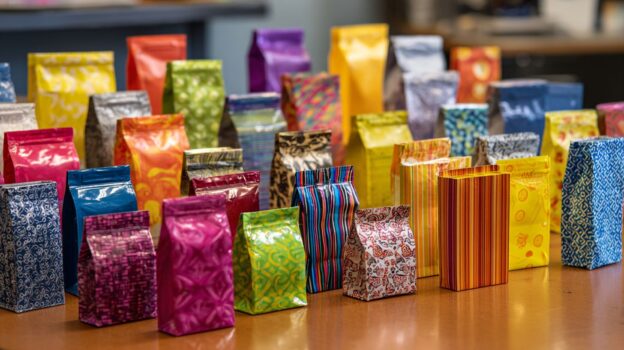
In the fast-paced world of commerce, where packaging can make or break customer loyalty, custom poly bags offer a versatile solution to streamline operations and elevate branding. Businesses leveraging these tailored options, as highlighted in industry reports from the Packaging Institute, see up to 30% gains in efficiency and waste reduction. Explore assessing needs, material choices, size variations, printing techniques, functional add-ons, sustainability, and cost strategies to unlock their full potential.
Assessing Business Needs for Custom Poly Bags
Begin by conducting an inventory audit to ascertain the average product dimensions-for instance, 6×8 inches for small retail items-and annual volume requirements, with a target of at least 5,000 units to substantiate the feasibility of custom orders.
Adhere to the following numbered steps for a comprehensive packaging assessment:
- Perform a product audit utilizing Excel spreadsheets to document sizes and quantities-for example, 10,000 units per year in e-commerce operations.
- Examine pertinent industry regulations, such as those established by the FDA for food products or ASTM standards for industrial goods.
- Conduct a survey of customer preferences using a tool like SurveyMonkey, with a goal of obtaining at least 100 responses.
- Project demand based on data from Google Analytics, such as an expected 20% increase in shipping requirements.
- Allocate a budget representing 5-10% of total packaging expenditures for customization initiatives.
This process typically requires 4-6 hours. It is essential to avoid common pitfalls, such as disregarding environmental preferences; according to a Nielsen study, 65% of consumers prefer sustainable options.
Material Options for Durability and Functionality
The selection of an appropriate polyethylene material is essential to ensure that custom poly bags can withstand various environmental stresses. Low-density polyethylene (LDPE) provides the requisite flexibility for retail packaging applications, typically at a thickness of 1-2 mils.
Types of Polyethylene Films
Low-Density Polyethylene (LDPE) is particularly well-suited for lightweight, transparent retail bags, providing a burst strength of 20-30 pounds per square inch in accordance with DuPont specifications.
LDPE offers superior flexibility and moisture resistance, with costs ranging from $0.05 to $0.10 per square foot. It is optimally applied in food packaging at a thickness of 1.5 mil.
For example, a case study published by Packaging Strategies demonstrated that Berry Global’s LDPE bags reduced shipping damage by 40%.
Other polyethylene films provide a range of applications:
Thickness and Strength Variations
Poly bag thicknesses range from 0.5 mil for lightweight storage applications to 6 mil for heavy-duty industrial purposes, with 2 mil LDPE providing a tensile strength of 1,200 psi as measured under ISO 527 testing standards.
To determine the appropriate thickness, it is essential to assess load requirements. For instance, products weighing less than 10 pounds necessitate a minimum of 3 mil to mitigate the risk of tears.
Research conducted by the Plastics Industry Association indicates that 4 mil bags reduce puncture rates by 50% relative to 2 mil variants, thereby improving durability for shipping operations.
For e-commerce applications, Uline’s 3 mil poly bags represent a practical intermediate solution at $0.08 per square foot, capable of securely accommodating loads up to 25 pounds.
Size and Shape Customization
Custom polyethylene bags can be precisely tailored, ranging from standard 4×6-inch layflat configurations to bespoke 12×18-inch gusseted designs, making them ideal for packaging diverse products such as agricultural produce or medical supplies.
Standard vs. Bespoke Dimensions
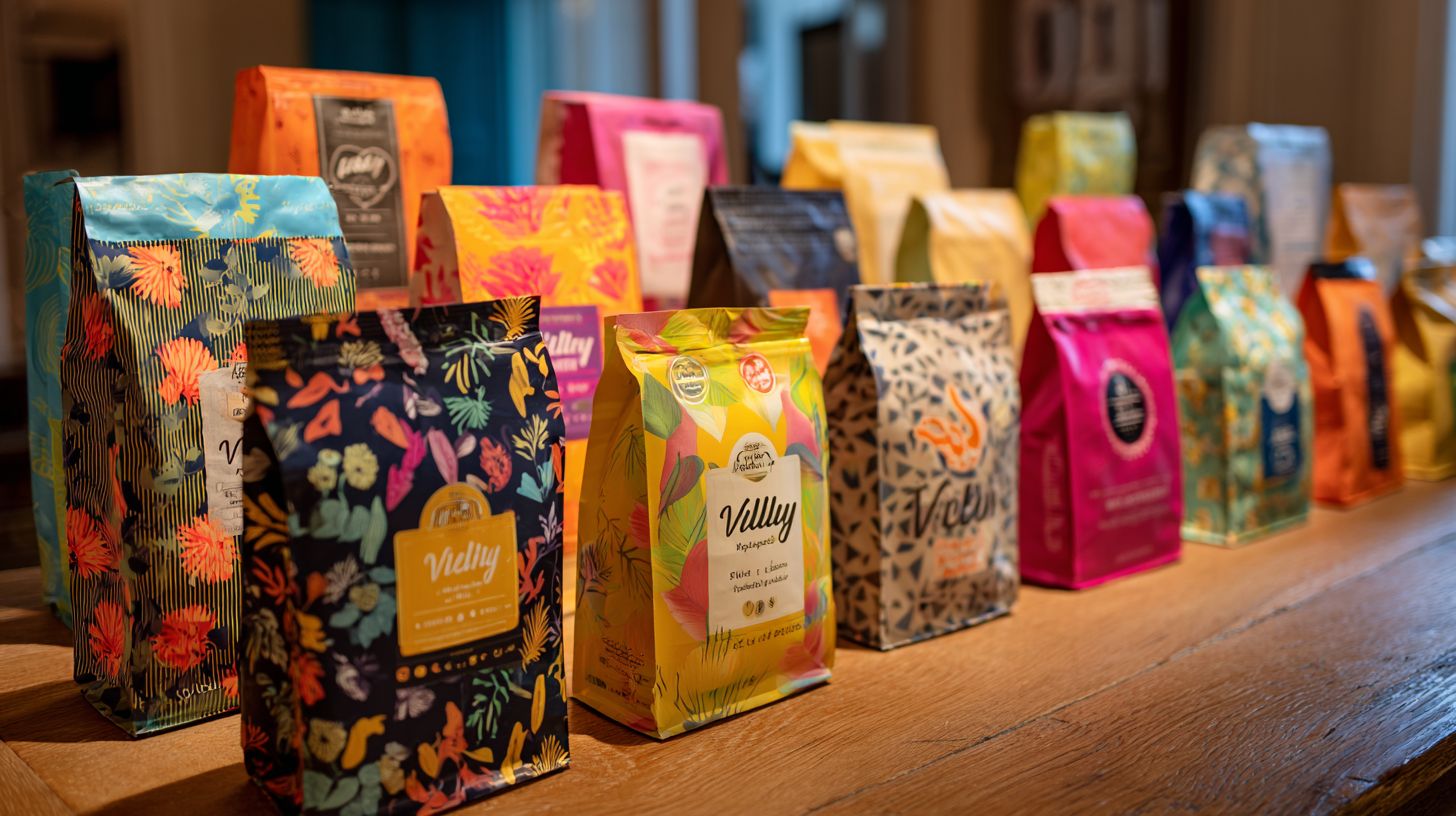
Standard poly bag sizes, such as 8×10 inches, are 20% less expensive than custom 9×11-inch variants; however, bespoke options from suppliers like PolyPak America provide precise fits that reduce material waste by 15%.
To determine the appropriate choice between standard and custom poly bags, please review the following side-by-side comparison:
| Feature | Standard | Bespoke |
|---|---|---|
| Sizes | Pre-cut (e.g., 6×9 in) | Tailored (e.g., 7×12 in with gussets) |
| Cost | $0.03/unit, MOQ 1,000 | $0.05/unit, MOQ 5,000 |
| Lead Time | 1 week | 3-4 weeks |
| Best For | Small businesses, retail like Amazon sellers | Branding, medical (e.g., FDA-compliant syringe packaging) |
| Pros | Affordable, quick | Optimized protection, less waste |
| Cons | May not fit odd shapes | Higher cost, longer wait |
Standard poly bags are ideal for expedited retail fulfillment, whereas bespoke designs are recommended when precision is paramount, such as in medical kits. A case study by Sealed Air demonstrated that custom designs reduced waste by 25%, thereby enhancing operational efficiency in accordance with EPA sustainability guidelines.
Printing and Branding Techniques
Incorporating a company logo through flexographic printing on poly bags can enhance brand recognition by 35%, according to a 2023 Packaging Strategies study on visual branding.
Digital and Flexographic Printing Methods
Digital printing is well-suited for small production runs, such as 500 custom poly bags featuring full-color logos, at a unit cost of $0.10. In contrast, flexographic printing is optimal for high-volume wholesale applications, offering a unit cost of $0.02 and support for up to eight colors.
| Method | Technology | Setup Cost | Best For | Pros | Cons |
|---|---|---|---|---|---|
| Digital | Inkjet-based | $200 | Prototypes, 1-1,000 units | No plates, quick setup | Higher per-unit cost |
| Flexographic | Rotary plates | $1,000 | 10,000+ units | Cost-effective, durable ink | Longer setup time |
To establish the printing process:
- Develop the design in Adobe Illustrator to ensure precise vector-based logos.
- Select UV-cured inks for superior adhesion to poly bag materials.
- Obtain and evaluate sample prints from reputable suppliers, such as Packlane.
A study conducted by HP Indigo indicates that digital printing can reduce lead times by 50%, rendering it particularly advantageous for expedited custom orders.
Design Elements for Visual Appeal
To enhance the appeal of poly bags, incorporate matte finishes and foil-stamped logos, which can increase perceived value by 22%, according to a 2022 Mintel report on packaging design.
For effective customization, consider the following key elements:
- Color options: Utilize Pantone-matched CMYK processes to achieve vibrant reds and maintain brand consistency across all printed materials.
- Finishes: Select glossy finishes (at an additional cost of $0.05 per unit) for a lustrous shine or matte finishes for a premium, tactile quality.
- Techniques: Employ embossing to add texture or foil stamping for metallic logos, as exemplified by Coca-Cola’s iconic red packaging.
- Windows: Integrate clear PVC panels to display contents, which can increase impulse purchases by 18%, based on studies from Packaging World.
- Typography: Choose bold sans-serif fonts, created using tools like Canva, to ensure readability and a contemporary aesthetic.
- Patterns: Develop custom repeating patterns with AI tools such as Midjourney to produce distinctive and scalable designs.
Maintain a resolution of 300 DPI for optimal print clarity. Branded designs contribute to a 15% improvement in customer loyalty, as evidenced by Nielsen’s 2023 retail report, resulting in a substantial return on initial investments.
Functional Add-Ons for Practical Use
Incorporating zippers and handles into custom poly bags enhances user-friendliness for storage applications, resulting in an 18% reduction in e-commerce returns, as demonstrated by a Shopify packaging study.
Handles, Closures, and Seals
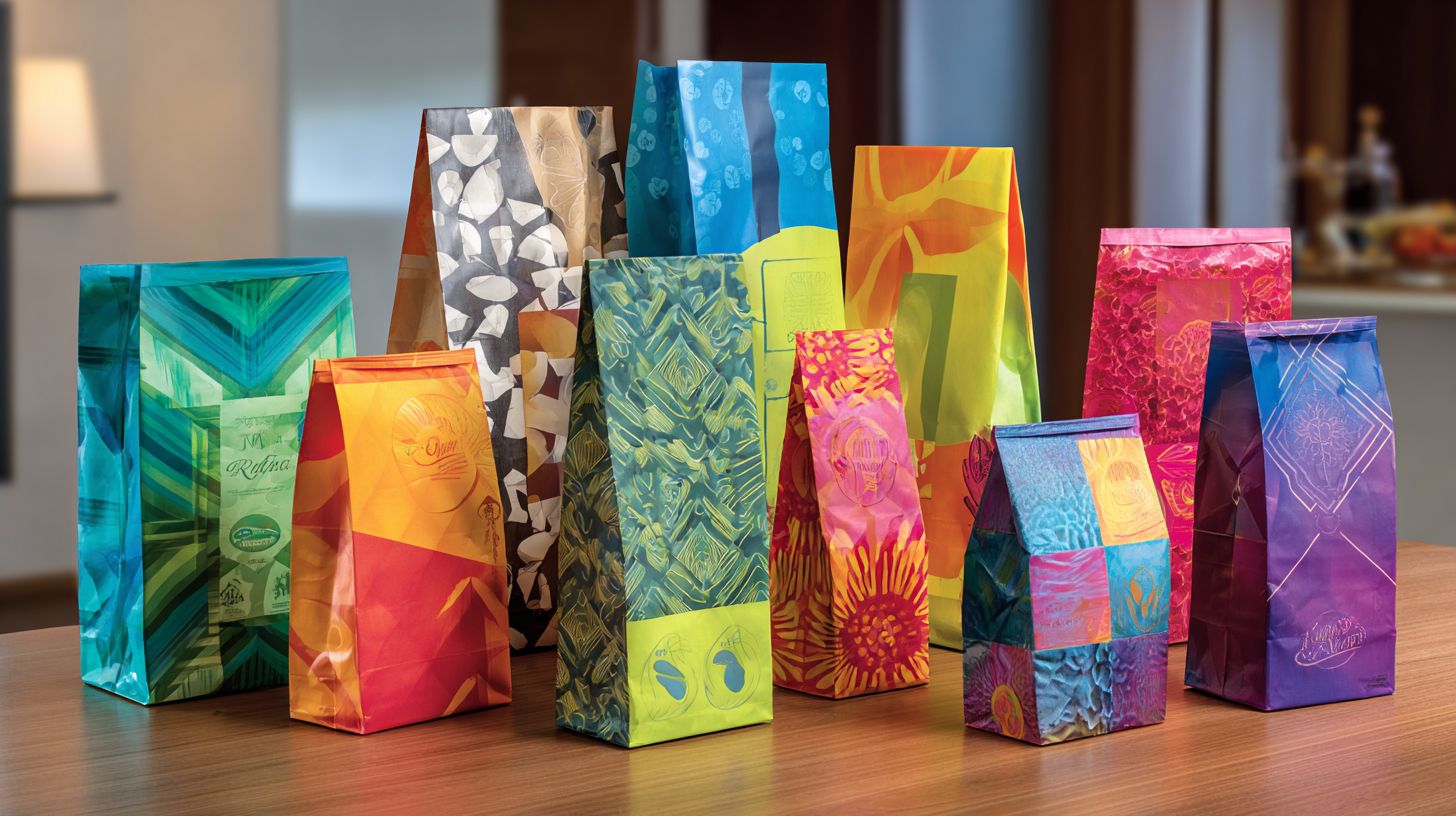
Die-cut handles on 10×12-inch poly bags enable convenient transportation of retail products, whereas reclosable zippers help preserve freshness in food packaging for an additional 30 days.
To address specialized requirements, these bags can be customized with targeted enhancements.
- Patch handles, priced at $0.03 per unit, increase shopping bag capacity by 20%, making them suitable for heavier retail loads.
- Slider zippers, at $0.05 per unit, provide reliable reclosability and comply with USDA guidelines for extending shelf life in food storage, as demonstrated by products such as Glad’s zippered bags.
- Tamper-evident heat seals, costing $0.02 per unit, adhere to medical compliance standards and reduce breach incidents by 95%, according to FDA studies.
- Tear-notch perforations, at $0.01 per unit, enhance user experience and decrease damage claims by 25%.
- Ventilation holes, priced at $0.04 per unit, maintain optimal humidity levels for produce in accordance with USDA agricultural standards.
Reputable suppliers, including Inteplast Group, provide these features at scale to accommodate custom orders.
Sustainable Customization Choices
It is recommended to select oxo-biodegradable poly bags certified to ASTM D6954 standards, which achieve 90% breakdown within three years, thereby ensuring compliance with the EU Packaging Directive’s requirement for 65% recyclability by 2025.
To optimize sustainability, implement the following five best practices:
- Choose recycled polyethylene (PE) incorporating 50% post-consumer content, available at $0.07 per square foot, which reduces carbon emissions by 30% according to life cycle assessment (LCA) studies conducted by the Ellen MacArthur Foundation.
- Integrate biodegradable additives, such as EPI’s d2w technology, to accelerate degradation processes.
- Employ minimal quantities of soy-based, volatile organic compound (VOC)-free inks to minimize chemical runoff.
- Design lightweight bags that are 1 mil thinner to achieve a 20% reduction in plastic usage.
- Secure certifications including BPI compostable and FSC for responsible sourcing.
A relevant case study illustrates the efficacy of these measures: Unilever’s transition to 100% recyclable bags resulted in an annual waste reduction of 50,000 tons. According to Environmental Protection Agency (EPA) data, annual plastic pollution in the United States surpasses 300 million tons, highlighting the substantial environmental impact of adopting such strategies.
Cost Optimization and Implementation Strategies
To optimize costs, procure more than 10,000 units in bulk from suppliers such as Uline, thereby reducing the per-unit price from $0.08 to $0.04 and realizing a 50% return on investment through decreased shipping damage.
For implementation, adhere to the following numbered steps:
- Evaluate and select suppliers by comparing 3-5 alternatives through platforms like ThomasNet, such as Uline for cost-effectiveness or PolyOne for high-quality, environmentally sustainable materials.
- Develop prototypes utilizing 3D mockups in SolidWorks, allocating a budget of $500 for 50 samples to assess durability.
- Negotiate the minimum order quantity (MOQ), commencing at 5,000 units while advocating for volume-based discounts.
- Refine the design by limiting colors to four, which yields savings of $0.02 per unit.
- Oversee the supply chain using enterprise resource planning (ERP) tools such as SAP to maintain real-time inventory tracking.
Integrate tiered pricing structures, such as $0.06 per unit for quantities of 50,000. A case study from Procter & Gamble illustrates 25% cost reductions attained via bulk sourcing of eco-bags (Harvard Business Review, 2018).
Monitor return on investment (ROI) using the formula (savings – costs) / costs x 100 to sustain operational efficiency.
Frequently Asked Questions
Q: How Can Custom Poly Bags Be Customized to Meet Business Needs?
Custom poly bags can be tailored to business needs through options like size adjustments, material thickness, color choices, and printing capabilities. For instance, businesses can select polyethylene films in various gauges for durability, incorporate custom prints for branding, and add features like zippers or handles to enhance functionality, ensuring the bags align perfectly with packaging requirements for products like retail goods or industrial items.
Q: What Printing Methods Are Available for Customizing Poly Bags?
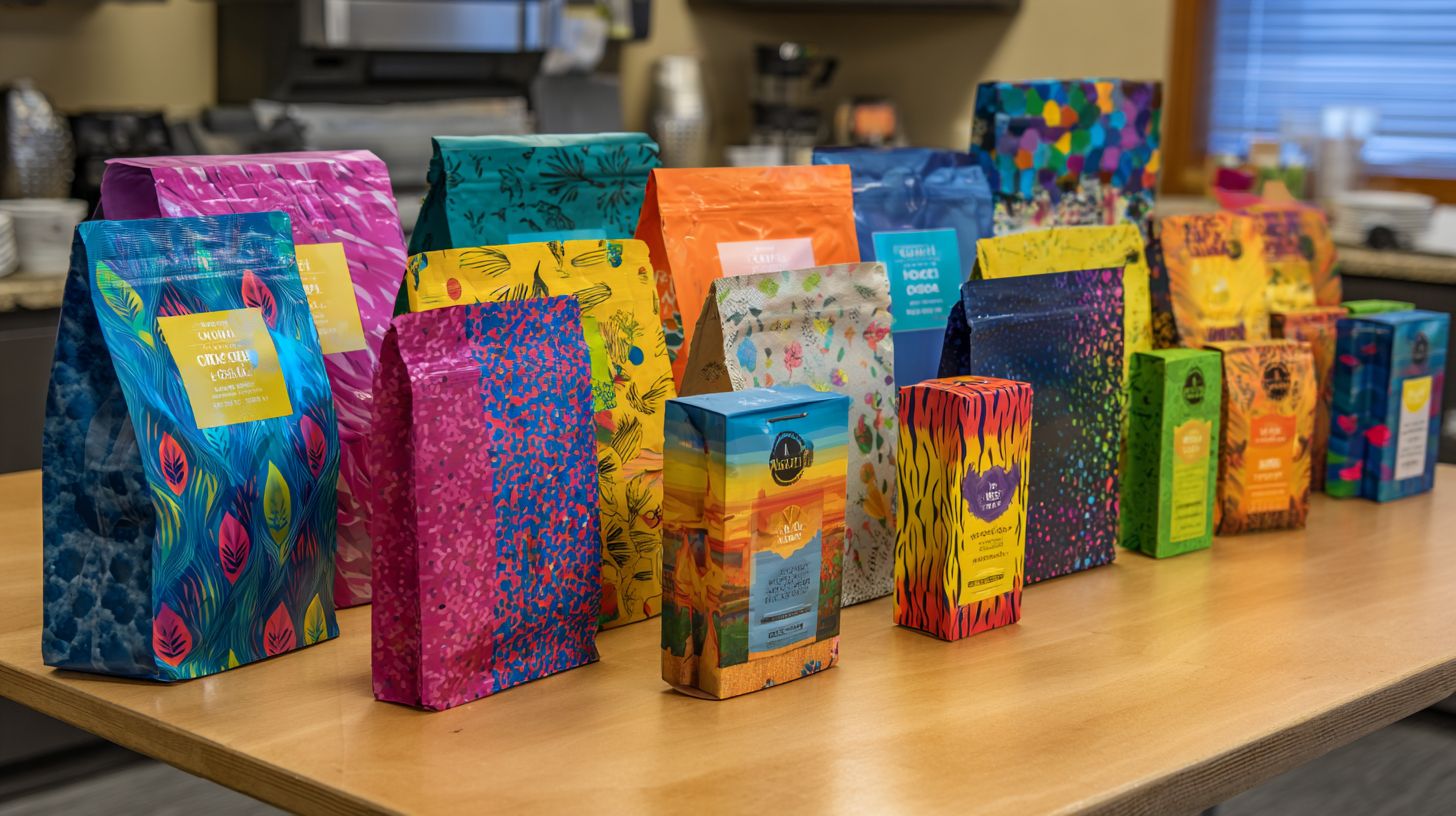
To meet business needs, custom poly bags can be printed using flexographic printing for high-volume runs with vibrant colors, or digital printing for smaller quantities with intricate designs. This allows businesses to add logos, instructions, or promotional content directly on the bags, improving brand visibility and customer engagement while maintaining cost-effectiveness.
Q: How Do Size and Shape Options Help Businesses Customize Poly Bags?
Businesses can customize poly bags in various sizes and shapes, from small gusseted bags for delicate items to large flat poly bags for bulk storage. This flexibility ensures optimal space utilization, protection for specific products, and compliance with shipping standards, directly addressing how custom poly bags can be customized to meet business needs for efficiency and cost savings.
Q: Can Custom Poly Bags Include Special Features Like Seals or Vents?
Yes, custom poly bags can incorporate features such as resealable zippers, tamper-evident seals, or ventilation holes to suit business requirements. These additions enhance product freshness, security, and usability, particularly for food packaging or e-commerce, demonstrating how custom poly bags can be customized to meet business needs for specialized applications.
Q: What Material Choices Are Offered for Eco-Friendly Custom Poly Bags?
For sustainability-focused businesses, custom poly bags can be made from recyclable polyethylene or biodegradable additives. Thickness options range from thin films for lightweight items to heavy-duty versions for robust protection. This customization supports green initiatives while meeting durability needs, illustrating how custom poly bags can be customized to meet business needs in an environmentally conscious way.
Q: How Does the Customization Process Ensure Quick Turnaround for Businesses?
The customization process for poly bags involves consulting with manufacturers on design specs, proofing, and production, often with turnaround times as short as 1-2 weeks for standard orders. Businesses benefit from online design tools and sample approvals, ensuring the final product matches their exact specifications efficiently, which is key to how custom poly bags can be customized to meet business needs without delays.
Q: What are the advantages of custom poly bags for packaging?
Custom poly bags offer several advantages for packaging, including enhanced brand visibility, product protection, and cost efficiency. Businesses can customize poly bags with logos, colors, sizes, and designs to create a professional appearance and strengthen brand recognition. These bags are lightweight yet durable, helping protect products from moisture, dust, and damage during storage and transportation. Additionally, custom poly bags are available in various materials and thicknesses, allowing companies to choose options that best suit their packaging needs while optimizing shipping and production costs.
Ready to Create Custom Poly Bags That Work for Your Business?
Stand out from the competition with fully customized poly bags designed to match your brand, improve customer experience, and protect your products. Whether you need custom sizes, vibrant logo printing, specialty finishes, or bulk order solutions, Aplasticbag delivers high-quality packaging tailored to your unique business needs.
Don’t settle for ordinary packaging—make every shipment a branding opportunity. Request Quote today and discover how Aplasticbag can create custom poly bags that elevate your business, increase brand visibility, and leave a lasting impression on your customers.

 Custom Poly Bags Partner Checklist: What Every Business Should Evaluate Before Choosing A Supplier in USA?
  Custom Poly Bags: Versatile Packaging for a Range of Products
  What Are the Best Printing Techniques for Custom Poly Bags?
Comments