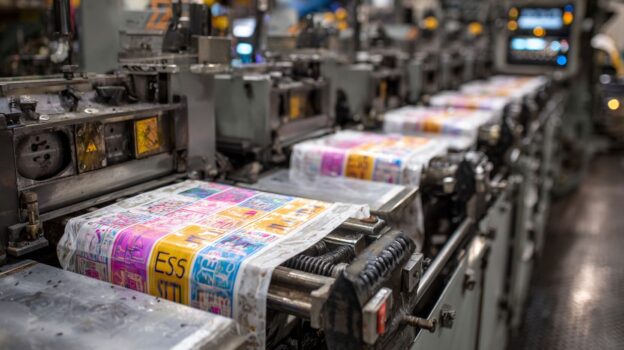
Custom poly bags transform everyday packaging into powerful brand ambassadors, but selecting the right printing technique can make or break their impact. With vibrant designs driving consumer engagement-studies from the Packaging Institute show 70% of purchases influenced by visuals-choosing wisely ensures durability and cost-efficiency. Explore key factors like material compatibility and volume, plus flexographic, digital, screen, and gravure methods, to uncover the optimal approach for your needs.
Key Factors for Selecting Techniques
Selecting the appropriate printing technique for poly bags requires careful alignment of material properties with production requirements. Failure to match these elements can result in ink adhesion failure rates of 20-30%, as indicated by industry benchmarks from the Flexible Packaging Association.
Material Compatibility
The non-porous surface of polyethylene necessitates treatments such as corona discharge to attain a surface energy of 38-42 dynes/cm, thereby optimizing ink adhesion, in accordance with DuPont’s packaging guidelines.
Following treatment, flexographic and gravure printing methods yield optimal performance on polyethylene (PE) substrates when employing water-based inks, achieving adhesion rates of 95% post-corona treatment, as documented in the TAPPI 2021 study. Screen printing proves effective on thicker films (2-6 mil) without the requirement for primers, whereas digital printing demands UV inks to produce glossy finishes.
To achieve reliable results, adhere to the following checklist:
- Assess surface tension utilizing dyne pens (targeting 38+ dynes/cm);
- Implement corona treatment (costing $0.50-1 per 1,000 sq ft);
- Incorporate primers for untreated bags to enhance adhesion.
For example, in a Berry Global case study, rejection rates reached 15% for food-safe PE bags attributable to insufficient treatment; these issues were successfully mitigated through the application of corona treatment.
Production Volume and Cost
For production volumes below 500 units, digital printing maintains costs between $0.10 and $0.50 per bag, in contrast to flexographic printing, which achieves $0.02 per bag for runs exceeding 50,000 units, according to cost models from the Printing Industries of America.
| Volume | Digital (No Setup) | Flexo (Setup $1,500-3,000) |
|---|---|---|
| 100 units | $0.20/unit; Total $20 | $0.05/unit + setup; Total $1,700 |
| 1,000 units | $0.15/unit; Total $150 | $0.03/unit + setup; Total $3,300 |
| 10,000 units | $0.12/unit; Total $1,200 | $0.02/unit + setup; Total $4,200 |
Minimum order quantities (MOQs) differ across printing methods: screen printing is suitable for volumes of 250 to 2,000 units, with a setup cost of $200, whereas gravure printing requires runs of 100,000 units or more due to cylinder costs exceeding $5,000.
An e-commerce brand realized a 40% improvement in return on investment through outsourced digital printing for 5,000 promotional bags, benefiting from a 7- to 10-day lead time, as documented in the Vistaprint case study.
It is advisable to account for potential hidden costs, such as die-cutting for custom shapes ($300), to prevent exceeding budgetary constraints.
Flexographic Printing
Flexographic printing is the predominant method employed in high-volume poly bag production, capable of processing up to 1,500 feet per minute on polyethylene films through the use of anilox rollers, which facilitate precise ink transfer.
Process and Applications
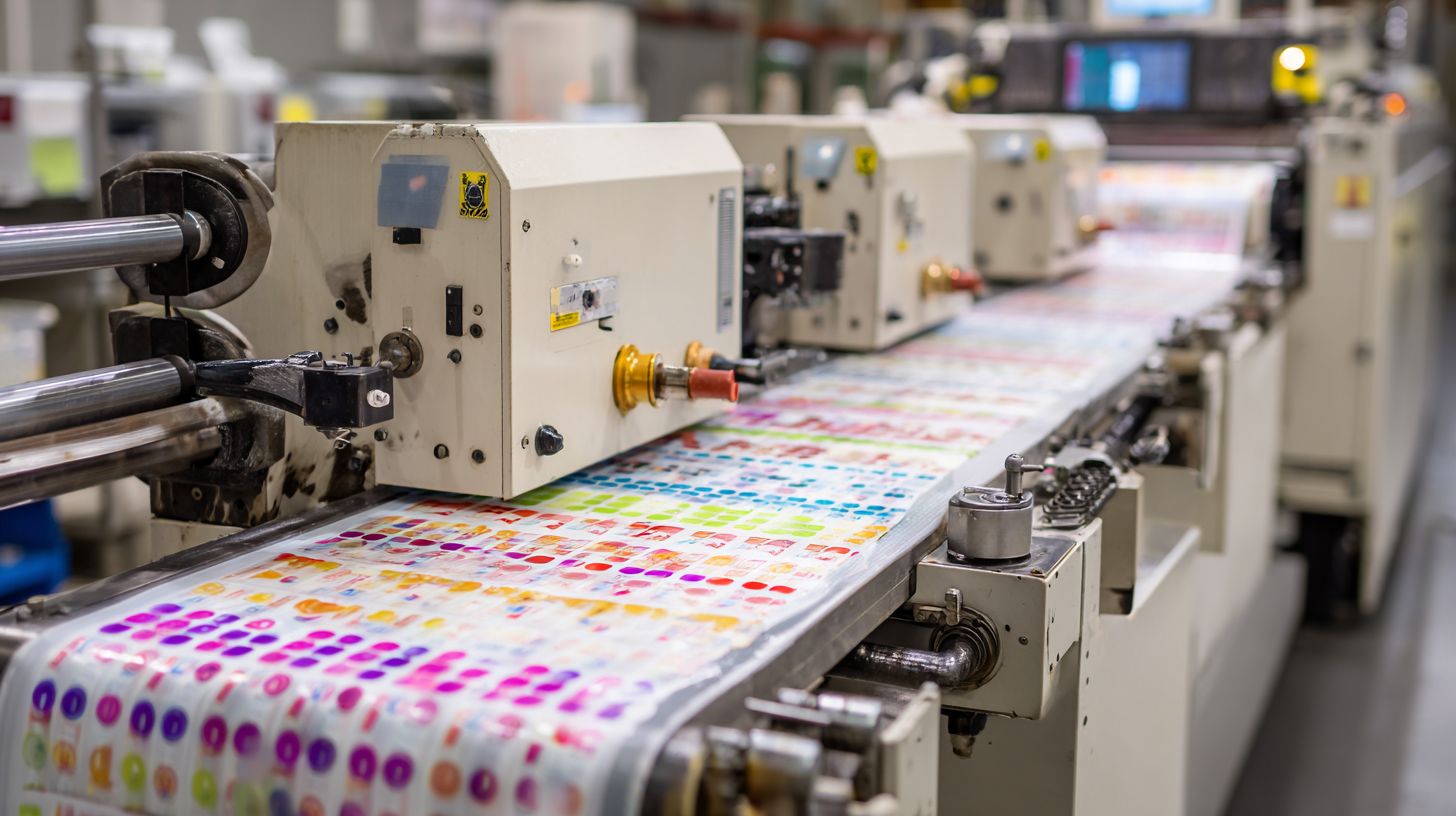
The flexographic printing process entails mounting photopolymer plates onto cylinders, applying ultraviolet (UV) or water-based inks through anilox rolls, and curing the prints on polyethylene (PE) film prior to die-cutting into customized shapes, such as vented carrier bags.
To implement this process with optimal efficiency, adhere to the following numbered steps:
- Prepare artwork in CMYK vector EPS format at 300 DPI resolution, utilizing software such as Adobe Illustrator.
- Etch anilox rolls to volumes of 5-25 BCM for polyethylene bags, thereby ensuring uniform ink transfer.
- Operate the web press on corona-treated substrate at speeds ranging from 300 to 600 feet per minute.
- Incorporate inline lamination to enhance durability and resistance to tearing.
- Execute post-press perforation and folding to facilitate user-friendly handles.
This methodology is particularly well-suited for applications including bulk shopping bags (for instance, Walmart production runs exceeding 1 million units) and promotional opaque bags.
A practical illustration is Procter & Gamble’s Tide bags, which employ flexographic printing to achieve fade-resistant logos through Pantone-matched spot colors.
Setup procedures typically require 4-6 hours, while production runs for 10,000 units generally span 1-2 days.
Advantages and Limitations
The advantages of flexography include cost-effective high-speed production, which can be up to 40% less expensive than gravure printing for medium-volume runs, and superior colorfastness on polyethylene (PE) substrates when using solvent-based inks, as documented by the Flexographic Technical Association.
To capitalize on these benefits, printers commonly utilize ultraviolet (UV) flexographic inks, which enhance durability and achieve more than 200 rubs in scratch resistance testing per ASTM D4828 standards.
Key advantages encompass the following:
- High production speed, enabling output of over 1,000 bags per hour while reducing labor requirements by 50%;
- Enhanced durability achieved through UV curing processes;
- Versatility in producing matte or glossy finishes and incorporating gussets;
- Environmentally sustainable options with water-based inks that reduce volatile organic compounds (VOCs) by 30%.
Potential limitations, such as substantial setup costs (exceeding $2,000 for plates, with optimal suitability for runs of 5,000 units or more) and lower resolution capabilities (80-150 lines per inch, LPI), can be effectively mitigated through the adoption of hybrid flexo-digital systems. These systems accommodate smaller custom orders by integrating efficiency with precision.
Digital Printing
Digital printing has revolutionized the production of custom poly bags through the application of inkjet technology, which facilitates the incorporation of variable data-such as QR codes-into runs as small as 100 units without the need for printing plates. This approach is exemplified by Vistaprint’s implementation in e-commerce packaging solutions.
Customization Benefits
Digital printing provides exceptional levels of customization, enabling real-time modifications such as serialized numbering or personalized logos on poly bags. This capability has been shown to increase engagement by 25% in direct-to-consumer packaging, according to a 2022 study by Packaging World.
Among the principal advantages are
- variable data printing for generating unique QR codes that link to product information using HP Indigo presses;
- support for short production runs with a minimum order quantity (MOQ) of 50 units at a cost of $0.15 per bag;
- high-resolution output reaching up to 1200 DPI, which ensures precise Pantone color matching on glossy polyethylene (PE) substrates;
- and expedited turnaround times of 2 to 5 days, in contrast to the 10 or more days typically required for flexographic processes.
For example, Etsy sellers utilizing digital printing for 200 custom matte merchandise bags featuring foil-stamped effects have reported a 15% increase in sales.
The production workflow is efficient and streamlined: customers upload PDF artwork for automatic conversion to CMYK; digital proofs are then provided via email for approval; and compliance with FDA regulations is maintained through the use of food-safe inks certified under 21 CFR 175.300.
Screen Printing
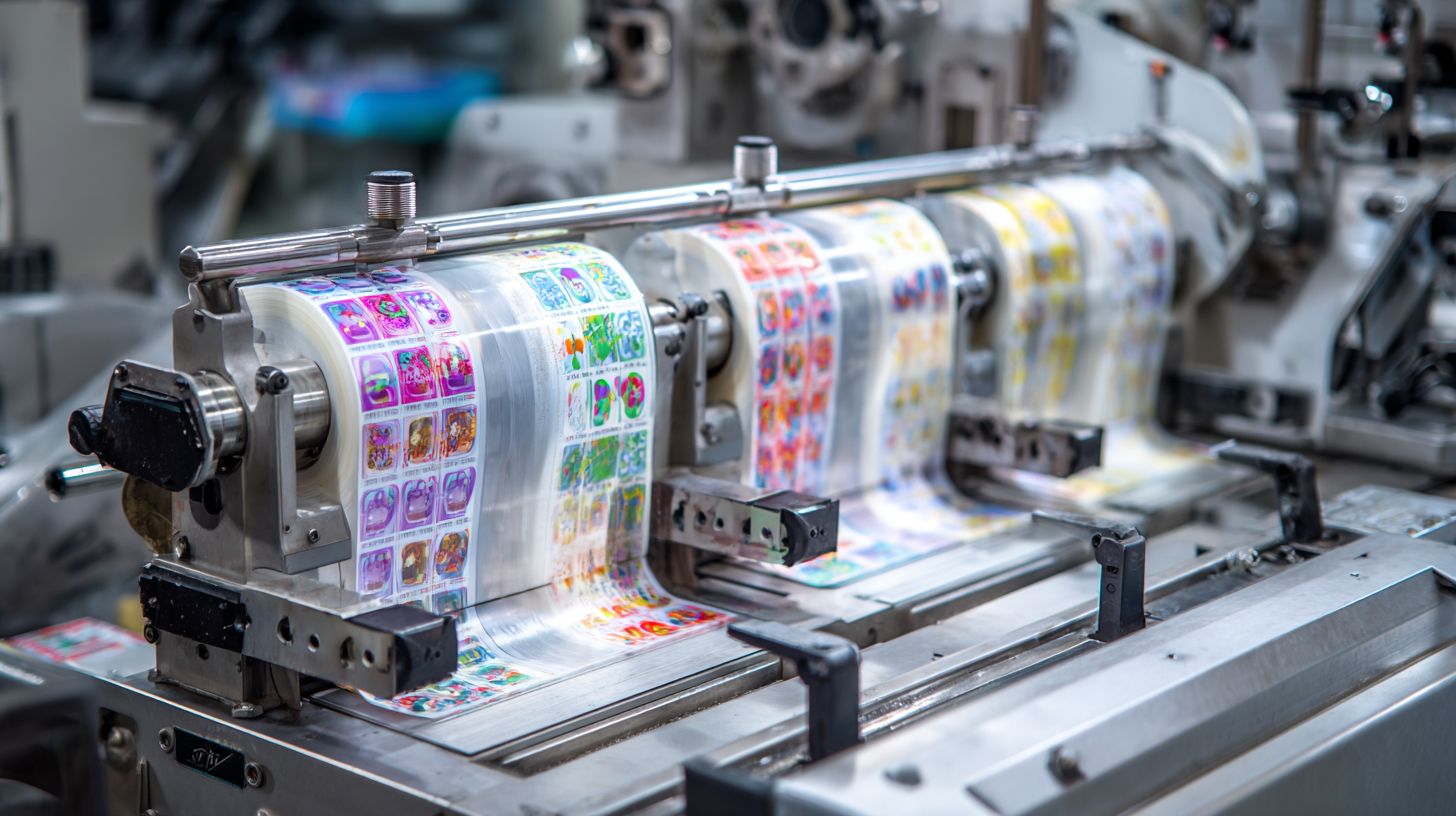
Screen printing involves the application of thick ink layers through mesh stencils onto poly bags, making it an optimal method for producing bold and durable logos on shopping bags. This technique achieves ink adhesion rates of up to 98% on corona-treated polyethylene (PE) in accordance with SGIA standards.
To execute screen printing effectively, adhere to the following procedural steps:
- Prepare an emulsion-coated screen (110-160 mesh for polyethylene bags) utilizing emulsions such as Ulano QTX.
- Expose the stencil with vector artwork in EPS format at 150 DPI, using a halogen exposure unit for 8-10 minutes.
- Apply plastisol or water-based inks through a manual squeegee or semi-automatic press, incorporating layers of 1-4 colors.
- Cure the inks at 320 degreesF for 60-90 seconds in a conveyor dryer to ensure compliance with the ASTM D4060 rub test.
For gusseted totes, attach handles after printing using heat seals. Common applications include promotional carrier bags, such as production runs of 500 units for brand events like those associated with Nike, which may incorporate metallic spot colors.
Advantages encompass cost-effectiveness ($100 setup fee, $0.05 per unit) and vibrant finishes; disadvantages include limitations to flat surfaces and comparatively slower output rates (200 units per hour, per SGIA benchmarks).
Gravure Printing
Gravure printing involves etching images directly onto copper cylinders to achieve high-fidelity reproduction on polyethylene films. This technique is particularly well-suited for production runs exceeding 100,000 units of industrial bags, delivering consistent color depth, as demonstrated in Mondi’s packaging lines.
The process begins with the electromechanical engraving of cylinders, which creates cells ranging from 0.01 to 0.1 mm in depth, optimized for polyethylene-compatible inks. These cylinders are then charged with solvent-based inks, and excess ink is precisely removed using a doctor blade.
The ink is transferred to the substrate at speeds of 800 to 1,200 feet per minute, followed by drying in hot air tunnels to secure vibrant and durable colors. This method is ideal for opaque bags intended for medical and food-safe applications, and it accommodates the integration of holographic foils to enhance anti-counterfeiting measures.
Key advantages include resolutions of 150 to 200 lines per inch (LPI) and compliance with ASTM D660 standards for fade resistance.
However, notable drawbacks encompass cylinder production costs exceeding $10,000 and setup times ranging from three to six months.
Unilever’s 2021 sustainability report highlights the efficacy of gravure printing, noting a color variance of less than 2% Delta E in bulk polyethylene bags.
Comparing Techniques for Poly Bags
When evaluating printing techniques, flexographic printing offers superior volume efficiency, whereas digital printing provides greater customization capabilities. A hybrid approach can yield savings of up to 35% on mixed production runs for e-commerce poly bags, according to Deloitte’s packaging analysis.
Use cases for these techniques vary by application: flexographic printing is ideal for retail mass production; digital printing suits direct-to-consumer personalization; screen printing is appropriate for event-based custom runs; and gravure printing excels in industrial settings requiring durability.
For hybrid solutions, integrating a flexographic base layer with digital overprinting enables the addition of variable data on runs of up to 20,000 promotional bags, thereby improving efficiency by 25% in accordance with industry benchmarks.
Best Practices and Tips
Implementing best practices, such as utilizing 300 DPI vector artwork and precise color calibration, can enhance print quality by up to 40% on poly bags, thereby reducing rejects, as demonstrated in Berry Global’s operational processes.
To accomplish this, adhere to the following six essential practices:
- Prepare artwork in CMYK vector EPS or PDF formats, eschewing RGB color modes and employing Pantone specifications for spot colors to guarantee accurate reproduction.
- Ensure a resolution of 300 DPI or higher, incorporating 0.125-inch bleeds to achieve sharp edges and prevent white gaps.
- Apply corona treatment to polyethylene (PE) surfaces to attain a minimum of 40 dynes/cm, thereby optimizing ink adhesion.
- Opt for environmentally sustainable water-based or soy inks, which comply with FDA regulations for food-contact bags and reduce volatile organic compounds (VOCs) by 50%, in accordance with EPA standards.
- Request digital proofs and conduct press checks to confirm color fidelity, aiming for a Delta E deviation of less than 3.
- Select recyclable PE materials processed with low-VOC methods to promote sustainability.
For small production runs, collaborate with suppliers that provide inline UV curing capabilities to accelerate manufacturing. Typical lead times range from 7 to 14 days.
For example, a retail brand successfully incorporated variable data QR codes into digitally printed bags, resulting in improved traceability and a 25% increase in return on investment, as evidenced by industry case studies.
Frequently Asked Questions
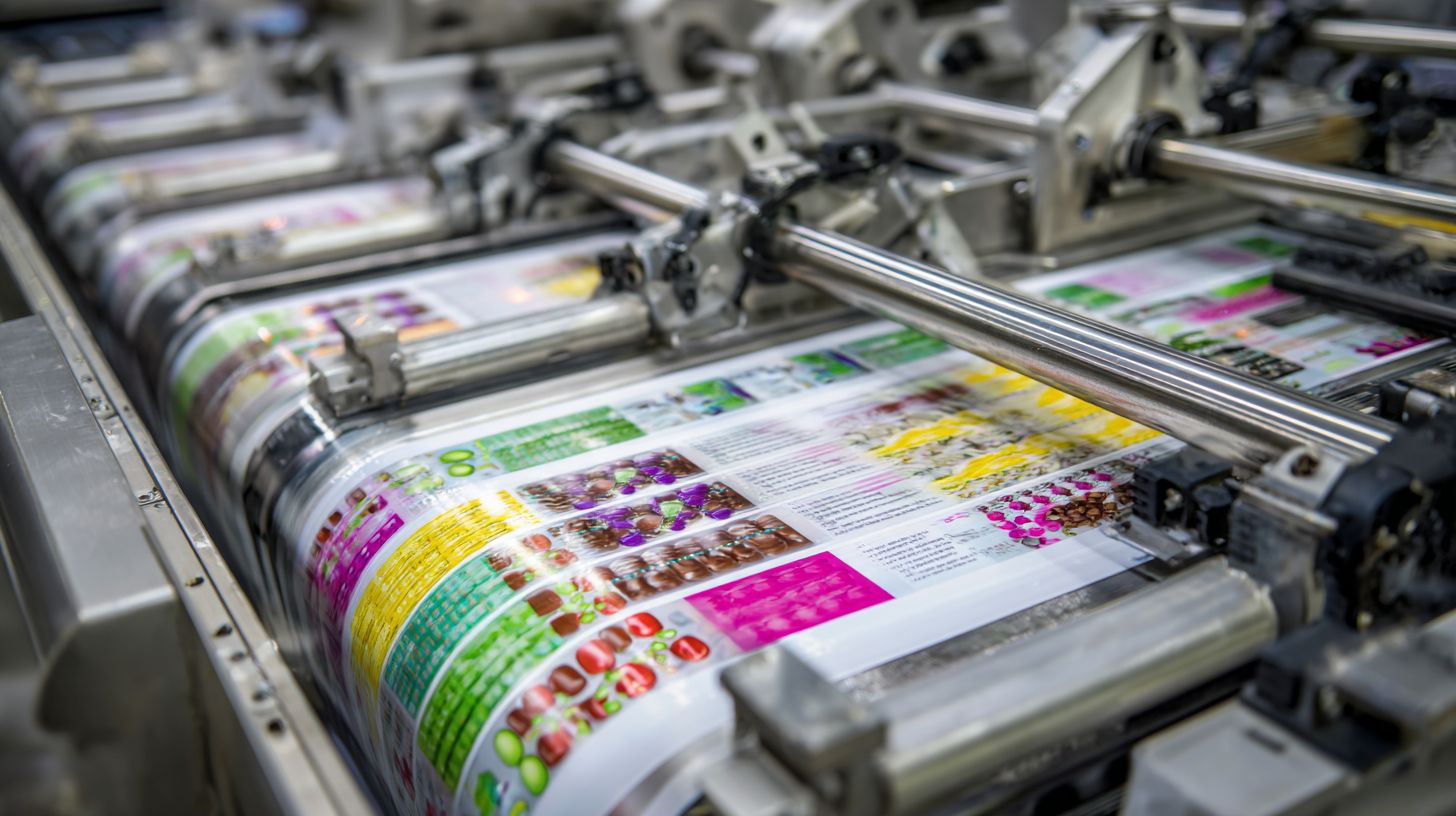
Q: What Are the Best Printing Techniques for Custom Poly Bags?
For custom poly bags, the best printing techniques include flexographic printing for high-volume runs due to its speed and cost-effectiveness, digital printing for short runs and quick turnaround with vibrant colors, and screen printing for durable, single or multi-color designs on plastic surfaces. These methods ensure high-quality, customizable results tailored to branding needs on polyethylene materials.
Q: What is Flexographic Printing and Why is it Ideal for Custom Poly Bags?
Flexographic printing uses flexible relief plates and fast-drying inks, making it one of the best printing techniques for Custom Poly Bags in large quantities. It’s efficient for continuous printing on plastic films, offering sharp images and resistance to smudging, which is crucial for packaging durability.
Q: How Does Digital Printing Benefit Custom Poly Bags Production?
Digital printing is among the best printing techniques for Custom Poly Bags when dealing with small batches or variable data. It eliminates the need for plates, reduces setup time, and allows for high-resolution, full-color prints directly onto poly surfaces without minimum order quantities.
Q: What Makes Screen Printing a Top Choice for Custom Poly Bags?
Screen printing, a versatile method, ranks as one of the best printing techniques for Custom Poly Bags requiring thick ink layers for bold, opaque designs. It’s particularly effective for outdoor or heavy-use bags, providing excellent adhesion and longevity on plastic substrates.
Q: Is Gravure Printing Suitable for High-Volume Custom Poly Bags?
Gravure printing excels as one of the best printing techniques for Custom Poly Bags in massive production runs, using engraved cylinders for precise, consistent ink transfer. It delivers superior quality for fine details and colors on thin poly films, though it’s best for long-term projects due to initial setup costs.
Q: What Factors Influence the Choice of Printing Techniques for Custom Poly Bags?
When selecting from the best printing techniques for Custom Poly Bags, consider run size, design complexity, material type, and budget. For instance, flexo or gravure suits bulk orders, while digital is preferable for prototypes, ensuring the technique aligns with poly bag functionality and aesthetic goals.
Get Premium Custom Poly Bags with High-Quality Printing from Aplasticbag
Ready to Make Your Brand Stand Out?
Transform ordinary packaging into a powerful marketing tool with Aplasticbag’s premium custom poly bags. Whether you need flexographic, gravure, or digital printing, our experts deliver vibrant, durable, and cost-effective solutions tailored to your business.
Why Choose Aplasticbag?
✅ High-quality, vibrant printing for maximum brand visibility
✅ Custom sizes, colors, and finishes available
✅ Fast production and reliable nationwide shipping across the USA
✅ Competitive wholesale pricing for businesses of all sizes
✅ Eco-friendly and sustainable packaging options
✅ Dedicated customer support and packaging specialists
Serving Businesses Across the USA
From eCommerce brands and retailers to manufacturers and distributors, Aplasticbag provides custom poly bag solutions designed to help your products leave a lasting impression.
📞 Get a Free Quote Today!
Don’t settle for ordinary packaging. Elevate your brand with professionally printed custom poly bags from Aplasticbag.
Request Your FREE Quote Now
✔ Competitive USA wholesale pricing
✔ Custom designs tailored to your brand
✔ Quick turnaround times
✔ Expert guidance from packaging professionals
✔ Bulk order discounts available
👉 Start Your Project Today!
Get Your Free Quote from Aplasticbag and Discover the Perfect Printing Solution for Your Custom Poly Bags!

 Custom Poly Bags Partner Checklist: What Every Business Should Evaluate Before Choosing A Supplier in USA?
  Custom Poly Bags: Versatile Packaging for a Range of Products
  How Can Custom Poly Bags Be Customized to Meet Business Needs?
Comments