
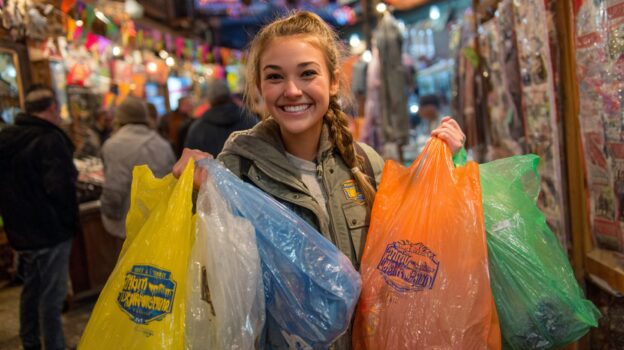
Plastic bags are used by millions of people every single day—for shopping, packaging, storage, and shipping. While they’re incredibly convenient, their widespread use has also contributed to growing environmental concerns. Plastic bags are lightweight and durable, which unfortunately means they can remain in landfills and ecosystems for decades if not handled properly.
The good news? Recycling plastic bags is easier than most people realize. When recycled the right way, these everyday items can be transformed into useful new products instead of adding to pollution. Learning how to recycle plastic bags responsibly is a simple step that can make a meaningful difference for the planet.
In this guide, we’ll walk you through everything you need to know—from identifying recyclable plastic bags to understanding how the recycling process works and where to recycle them.
Why Recycling Plastic Bags Matters
Plastic bags are primarily made from polyethylene, a strong yet flexible material derived from fossil fuels. When plastic bags are thrown away instead of recycled, they take up space in landfills and can escape into waterways, harming wildlife and natural habitats.
Recycling helps reduce the demand for virgin plastic, conserves natural resources, and lowers greenhouse gas emissions. It also supports a circular economy, where materials are reused instead of discarded after a single use.
Many businesses are now choosing Custom plastic bags with logo designs that are recyclable, encouraging customers to reuse and recycle rather than dispose of bags after one trip.
Understanding Plastic Types Used in Bags
Not all plastic bags are the same, and knowing the difference is essential for proper recycling.
Most recyclable plastic bags are made from:
-
#2 Plastic (HDPE – High-Density Polyethylene):
Strong, durable, and commonly used for retail, grocery, and shipping bags. -
#4 Plastic (LDPE – Low-Density Polyethylene):
More flexible and often used for bread bags, garment bags, and packaging film.
Many everyday clear polyethylene bags fall into one of these two categories, making them widely accepted at recycling facilities that handle soft plastics.
Before You Recycle Plastic Bags
Recycling facilities require plastic bags to meet certain standards before they can be processed. Preparing your bags properly ensures they don’t contaminate other recyclables.
Here’s what to do before recycling:
-
Check the recycling symbol:
Look for a #2 or #4 symbol printed on the bag. Without it, recyclers may not be able to identify the material. -
Clean the bags thoroughly:
Remove receipts, stickers, crumbs, labels, or any leftover debris. Bags should be clean and dry. -
Bundle bags together:
Collecting multiple bags and recycling them at once makes processing more efficient and may even earn incentives at some facilities.
Some municipalities allow plastic bags in curbside recycling bins, but many do not. Always verify your local recycling rules before placing bags in household recycling.
Where Can You Recycle Plastic Bags?
Plastic bags are typically not recycled the same way as rigid plastics like bottles or containers. Many recycling centers require soft plastics to be dropped off separately.
Common recycling options include:
-
Grocery store drop-off points
-
Retail store collection bins
-
Dedicated plastic recycling centers
-
Commercial recycling facilities
If you’re unsure, search for a recycling center near you that accepts polyethylene film and bags.
How the Plastic Bag Recycling Process Works
Once plastic bags arrive at a recycling facility, they go through several steps:
-
Sorting: Bags are separated by plastic type and color.
-
Cleaning: Remaining contaminants are washed away.
-
Shredding: Clean bags are shredded into small pieces.
-
Pelletizing: The shredded plastic is melted and formed into small pellets.
-
Manufacturing: These pellets are used to create new products, often including new plastic bags.
Many custom printed plastic bags sold today are made partially or entirely from recycled polyethylene, proving that plastic can be reused effectively when handled responsibly.
Are Plastic Bags Really Eco-Friendly?
It may come as a surprise, but plastic bags often have a lower environmental footprint than paper bags when measured by energy and water use. Producing paper bags requires significantly more water and energy compared to plastic bag manufacturing.
Plastic bags are also lighter, which reduces transportation emissions. The key to making plastic bags environmentally responsible lies in reuse and recycling—not disposal.
Businesses that purchase plastic bags at a Plastic Bags Wholesale Price often choose recyclable materials to balance cost-efficiency with sustainability goals.
Reducing Waste Through Reuse
Before recycling, consider reusing plastic bags whenever possible. They can be repurposed for:
-
Trash liners
-
Storage and organization
-
Pet waste cleanup
-
Packing and shipping items
Extending the life of a bag reduces waste and delays the need for recycling or disposal.
Choosing Sustainable Plastic Bag Options
Modern plastic bag manufacturing has evolved significantly. Many suppliers now offer bags made from recycled content or designed for easier recycling.
Companies ordering wholesale custom printed plastic bags can choose materials that align with eco-conscious branding while maintaining durability and performance.
Making informed purchasing decisions helps reduce overall plastic waste across industries.
Frequently Asked Questions About Recycling Plastic Bags
Can custom plastic bags be recycled?
Yes, most bags made from polyethylene can be recycled as long as they are clean and labeled correctly. Many businesses use Custom plastic bags with logo designs that are specifically manufactured using recyclable materials, making them suitable for drop-off recycling programs.
Are clear plastic bags easier to recycle than colored ones?
In many cases, yes. Clear polyethylene bags are often preferred by recycling facilities because they’re easier to sort and process. Their transparency allows recyclers to quickly identify contaminants, improving recycling efficiency.
Do printed designs affect plastic bag recyclability?
Printed designs generally do not prevent recycling when the inks used meet industry standards. Many custom printed plastic bags are designed with eco-safe inks that allow them to be processed without issue at recycling facilities.
Is buying plastic bags in bulk better for the environment?
Purchasing bags at a Plastic Bags Wholesale Price can reduce packaging waste and transportation emissions compared to frequent small orders. Bulk purchasing also allows businesses to choose recyclable or recycled materials more consistently.
Can wholesale plastic bags be made from recycled materials?
Absolutely. Many manufacturers now produce wholesale custom printed plastic bags using post-consumer recycled content, helping reduce landfill waste while maintaining quality and strength.
Recycle Smart, Protect the Planet
Recycling plastic bags is one of the simplest ways to reduce waste and protect the environment. By cleaning your bags, identifying recyclable materials, and using the right recycling facilities, you ensure plastic stays out of landfills and waterways.
Every recycled bag contributes to a cleaner planet and supports a more sustainable future. Explore recyclable plastic bag options, reuse when possible, and recycle responsibly—small actions truly add up.
Ready to Reduce Plastic Waste the Right Way?
Make a real impact by choosing smarter, more sustainable packaging solutions from aplasticbag.com. Whether you’re looking for recyclable plastic bags, eco-friendly alternatives, or custom packaging for your business, we’ve got you covered with high-quality options you can trust.
Take the next step toward responsible recycling and a cleaner future – order now and start making a difference with every bag you use.

 Eco-Friendly Thanksgiving Bags: Go Green This Holiday Season
  How to Go Green Without Compromising Quality with Eco-Friendly Custom Polybags
  6 Smart and Sustainable Ways to Reuse Plastic Bags
Comments