
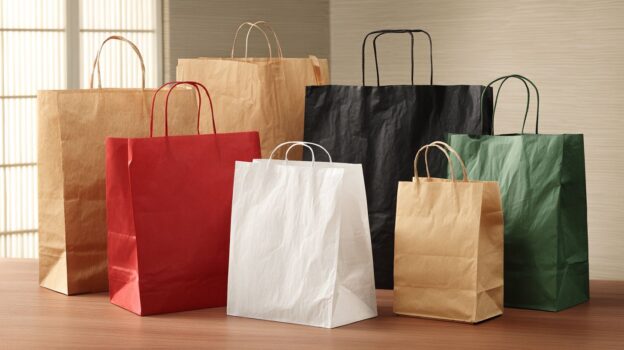
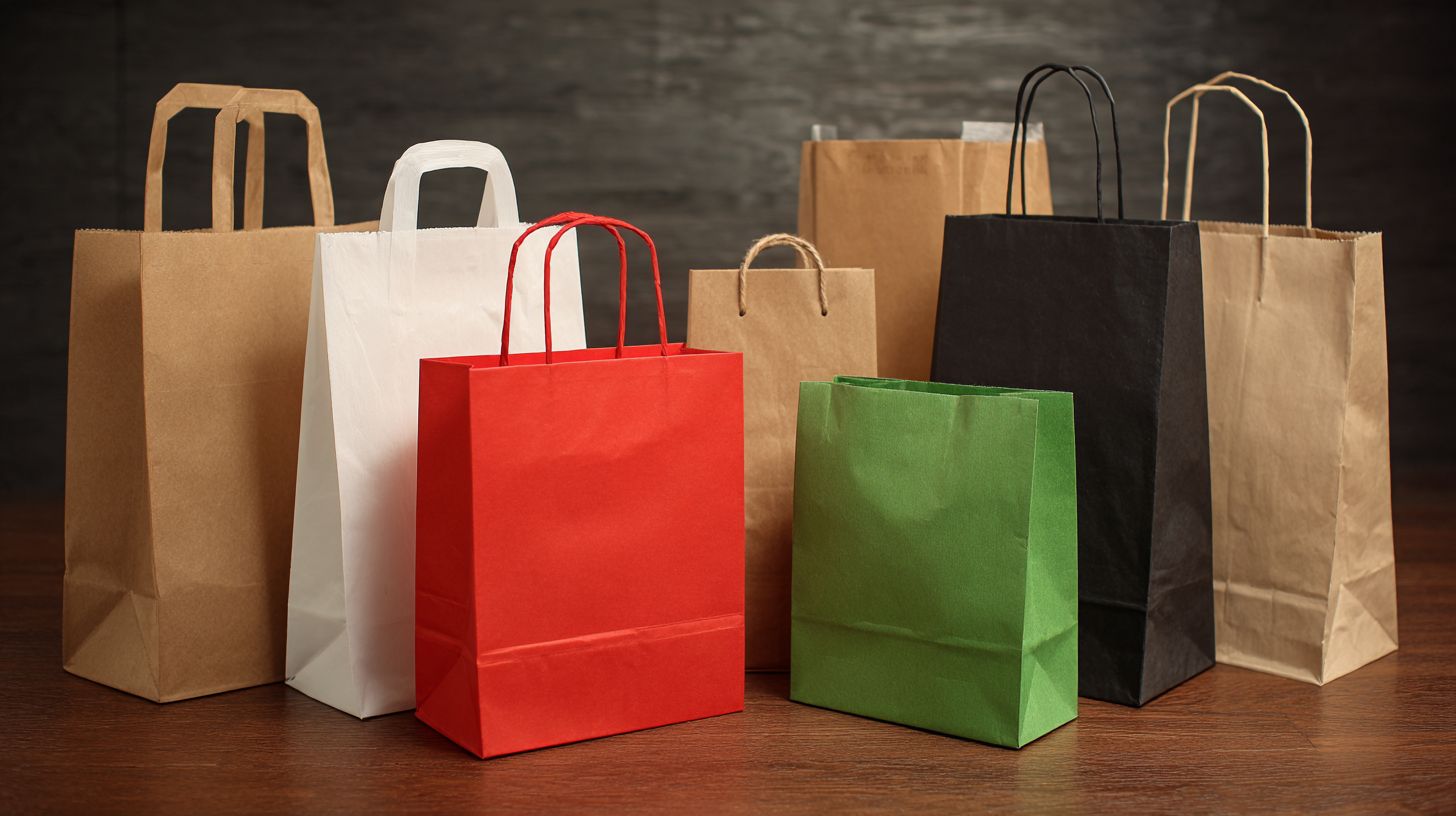
Paper bags, once simple vessels for daily errands, now embody innovation in sustainability and style, powering a shift away from single-use plastics as global regulations tighten-per the EPA’s 2023 waste reduction report. Explore their diversity: from kraft and recycled materials to coated variants; flat, handled, and die-cut designs; grocery, retail, gift, and luxury purposes; plus biodegradable eco-options that promise a greener future. Which type suits your needs?
Classification by Material
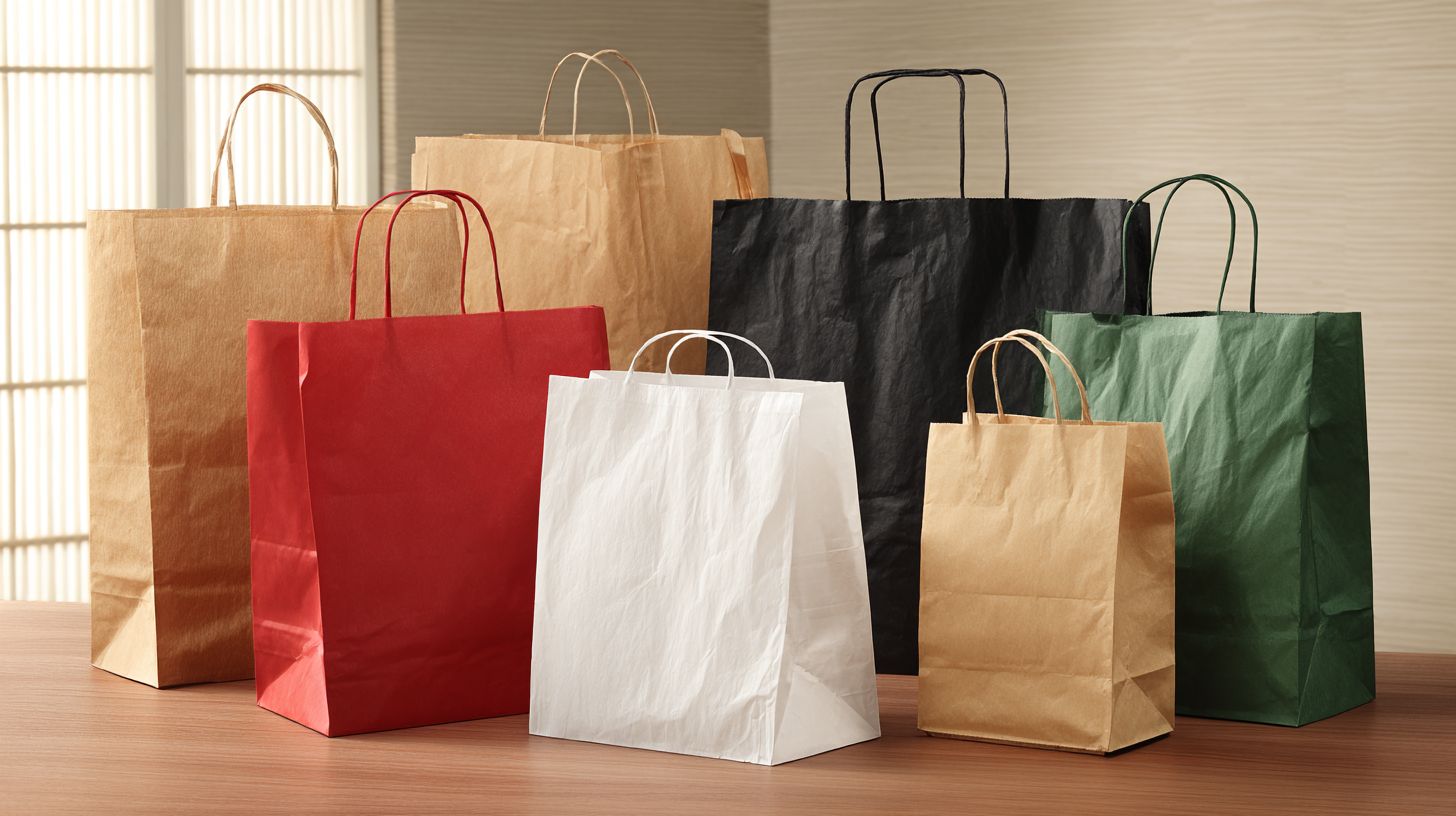
Paper bags are primarily categorized according to their base material, a factor that significantly influences their durability, cost-effectiveness, and environmental sustainability. According to a 2022 IBISWorld report, kraft paper commands a leading 60% share of the market.
Kraft Paper Bags
Kraft paper bags, manufactured from unbleached wood pulp, provide exceptional strength with tensile values reaching up to 50 pounds per square inch, rendering them suitable for transporting heavy grocery loads, as demonstrated by their use in prominent retail chains such as Whole Foods.
These bags are produced through the soda process and may consist of 100% virgin material or incorporate up to 80% recycled content, with grammage (GSM) levels between 70 and 120 to accommodate diverse applications. Notable advantages include biodegradability within four weeks and wholesale pricing ranging from $0.05 to $0.15 per unit; however, uncoated variants are prone to moisture absorption.
For example, Starbucks’ adoption of kraft coffee bags has reduced plastic usage by 30%, according to their 2022 sustainability report. When procuring these bags, it is advisable to select suppliers certified by the Forest Stewardship Council (FSC), such as International Paper, to guarantee environmental responsibility.
| Feature | Kraft | White Kraft | Price Difference |
|---|---|---|---|
| Color | Brown, unbleached | White, lightly bleached | +20% |
| Environmental Impact | Lower carbon footprint | Higher due to bleaching | N/A |
| Strength (tensile) | Up to 50 lbs/sq in | Similar, 40-45 lbs/sq in | N/A |
| Cost per unit | $0.05-0.15 | $0.06-0.20 | +15-30% |
Recycled Paper Bags
Recycled paper bags are manufactured using post-consumer waste, thereby diverting more than 50 million tons of paper from landfills each year in the United States, according to the Environmental Protection Agency’s (EPA) 2023 Municipal Solid Waste report.
The production process entails pulping 100% recycled content sourced from materials such as newspapers, incorporating up to 40% post-consumer waste (PCW), and forming sheets with a grammage of 60-100 GSM to achieve lightweight yet durable properties.
These bags offer several environmental benefits, including the preservation of 17 trees for every 1,000 bags produced, as outlined in a study by the American Forest & Paper Association (AF&PA).
However, they are generally less robust than those made from virgin paper and incur production costs ranging from $0.07 to $0.20 per unit. To enhance their quality and strength, reinforcement with duplex board is recommended.
A notable example is Trader Joe’s recycled paper bags, which have demonstrated a 40% reduction in carbon footprint compared to traditional plastic bags.
Key performance metrics for recycled paper bag production include energy savings of 60%, a 55% reduction in water usage, and a 73% decrease in emissions.
Coated and Laminated Bags
Coated and laminated paper bags incorporate protective layers, such as polyethylene (PE) coatings, which enhance water resistance and enable the bags to withstand exposure for up to 24 hours. These features make them particularly suitable for bakery products, in full compliance with FDA standards for food contact materials.
Common variants include PE-coated bags, priced at $0.10 to $0.25 per unit, designed for superior moisture resistance; foil-laminated bags, which are heat-sealable and ideal for coffee packaging, effectively blocking 99% of oxygen; and greaseproof waxed bags, tailored for oily foods, which can extend shelf life by 2 to 3 days. While these enhancements significantly improve product durability, they also present challenges, including diminished recyclability and the requirement for specialized disposal procedures.
For customized orders, flexographic printing is recommended to apply laminations efficiently, while ensuring adherence to the EU Packaging and Packaging Waste Directive 94/62/EC, which imposes limits on heavy metal content (not exceeding 100 ppm).
To select the appropriate coated and laminated paper bags, follow these steps:
- Assess the intended usage (e.g., food applications versus retail purposes),
- Evaluate the required coating type (e.g., PE for wet items versus wax for grease resistance),
- Verify relevant certifications, such as BRC for food safety compliance.
Classification by Design and Structure
Classifications based on design and structure emphasize both functionality and aesthetics. According to a 2023 survey conducted by Packaging Digest, handled bags account for 70% of retail sales.
Flat Paper Bags
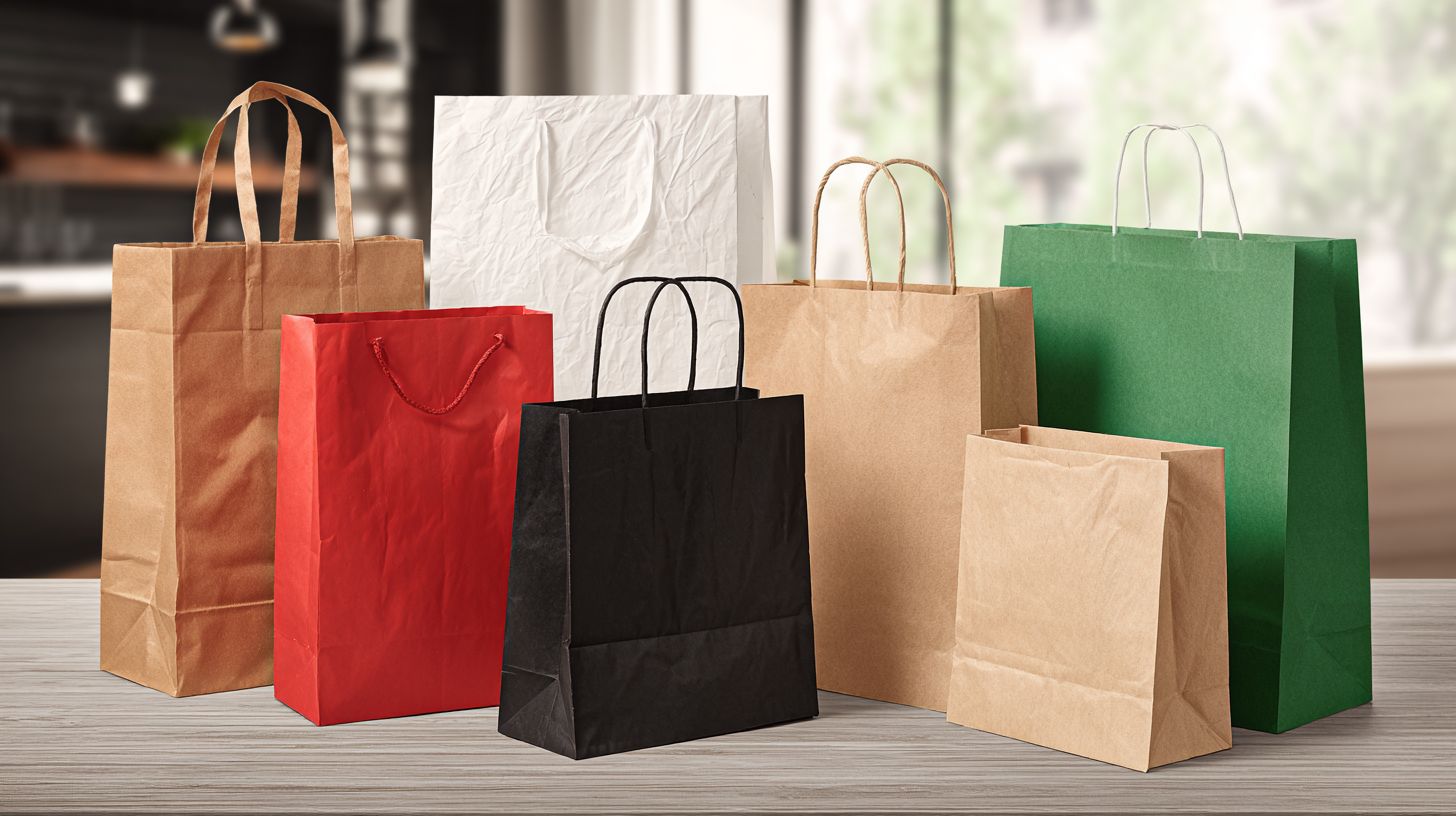
Flat paper bags, commonly referred to as SOS (self-opening style) bags, incorporate a straightforward folded design that expands to accommodate loads of 5-10 kg. These bags are widely utilized in bakeries due to their stackable nature, which optimizes storage efficiency by reducing space requirements by approximately 30%.
These bags are typically equipped with a pinch or glue bottom to enhance stability and do not include handles. Standard dimensions, such as 6 x 3 x 12 inches, are suitable for small loaves of bread.
Advantages of these bags include low production costs, ranging from $0.03 to $0.08 per unit, and straightforward manufacturing processes utilizing recycled paper. However, limitations exist in their capacity to support heavier loads.
Recommended best practices involve reserving these bags for lightweight items weighing under 5 kg and reinforcing them with 100 GSM kraft paper to mitigate the risk of tearing. For instance, European bakeries employ them for packaging croissants, resulting in a 15% reduction in packaging costs, as reported in a 2022 Euromonitor study.
Variations of flat paper bags include:
- Fanfold: Perforated rolls designed for use in dispensers
- Interleaved: Stacked sheets intended for retail counters
This configuration promotes efficient and environmentally sustainable packaging solutions.
Handled Carrier Bags
Handled carrier bags feature twisted or rope handles designed for the comfortable transport of loads up to 15 kg, which, according to a Nielsen consumer survey, enhances customer satisfaction in retail environments by 25 percent.
Twisted paper handles, constructed with 4-6 plies, deliver standard strength suitable for grocery loads of up to 10 kg, whereas rope handles-frequently composed of cotton blends-provide a premium aesthetic appeal for fashion items capable of supporting 15 kg or more. Both handle types are reusable and range in cost from $0.12 to $0.30 per unit; however, risks of breakage may occur under excessive stress.
To address this concern, incorporate reinforced bottoms with 2-4 inch deep gussets to improve durability. For example, IKEA’s handled kraft bags, as detailed in their 2022 sustainability report, accommodate loads exceeding 20 kg with no reported returns.
Compare the options below:
| Handle Type | Load Capacity | Cost | Best For |
|---|---|---|---|
| Twisted Paper | 10 kg | $0.15 | Grocery |
| Rope | 15 kg | $0.25 | Fashion |
Die-Cut and Patch Handle Bags
Die-cut and patch handle bags are characterized by punched or reinforced handle openings, providing a premium aesthetic for merchandise with capacities ranging from 5 to 20 liters. These designs are particularly prevalent in the fashion retail sector, as exemplified by brands such as Zara.
Die-cut handles feature a straightforward punch-through mechanism, resulting in lightweight and cost-effective solutions priced at $0.15 to $0.25 per unit, which are well-suited for rapid retail packaging applications. In contrast, patch handles are reinforced with fabric, enhancing durability by 10% and priced at $0.25 to $0.35 per unit, thereby minimizing the risk of tears during intensive use.
Although both variants offer considerable aesthetic appeal, they exhibit lower strength compared to twisted handles and may be prone to tearing under loads exceeding 5 kg.
For manufacturing purposes, it is recommended to utilize precision die-cutting machines. Incorporating side gussets can further increase the bag’s volume capacity to up to 20 liters.
According to the 2023 Grand View Research report, the luxury packaging market is projected to grow at a compound annual growth rate (CAGR) of 12%.
In promotional events, the use of branded patch handles has been shown to improve brand recall by 40%, as demonstrated in Zara’s marketing campaigns.
Classification by Usage and Purpose
Classifying bags based on their intended usage effectively aligns them with targeted applications, spanning from routine grocery shopping to premium gifting. According to the Freedonia Group (2023), retail bags constitute 45% of the $5.2 billion paper packaging market.
Grocery and Retail Bags
Grocery and retail bags emphasize durability and capacity, with standard dimensions such as 12x7x17 inches accommodating 10-15 kg. These are essential for supermarkets, where the adoption of paper alternatives has reduced plastic usage by 80% in the United Kingdom, according to data from the British Retail Consortium.
For bulk commodities such as flour or sugar, multi-wall paper bags featuring 3-5 plies provide superior protection, priced at $0.04-0.12 per unit. These bags are stackable but necessitate additional storage space.
Single-wall variants are ideal for lighter retail products, offering a cost-effective and straightforward solution.
Recommended practices include the use of valve bags for powdered materials, which incorporate self-sealing mechanisms to prevent spills. Walmart’s transition to kraft grocery bags, as detailed in its 2022 sustainability report, resulted in annual savings of $10 million by diminishing reliance on plastic.
To select appropriate bags:
- Evaluate capacity requirements (e.g., 10-25 liters for groceries).
- Select appropriate GSM thickness (90+ for items exposed to moisture to prevent tearing).
- Incorporate flexographic printing for branding purposes, thereby improving visibility and fostering customer loyalty.
Gift and Luxury Bags
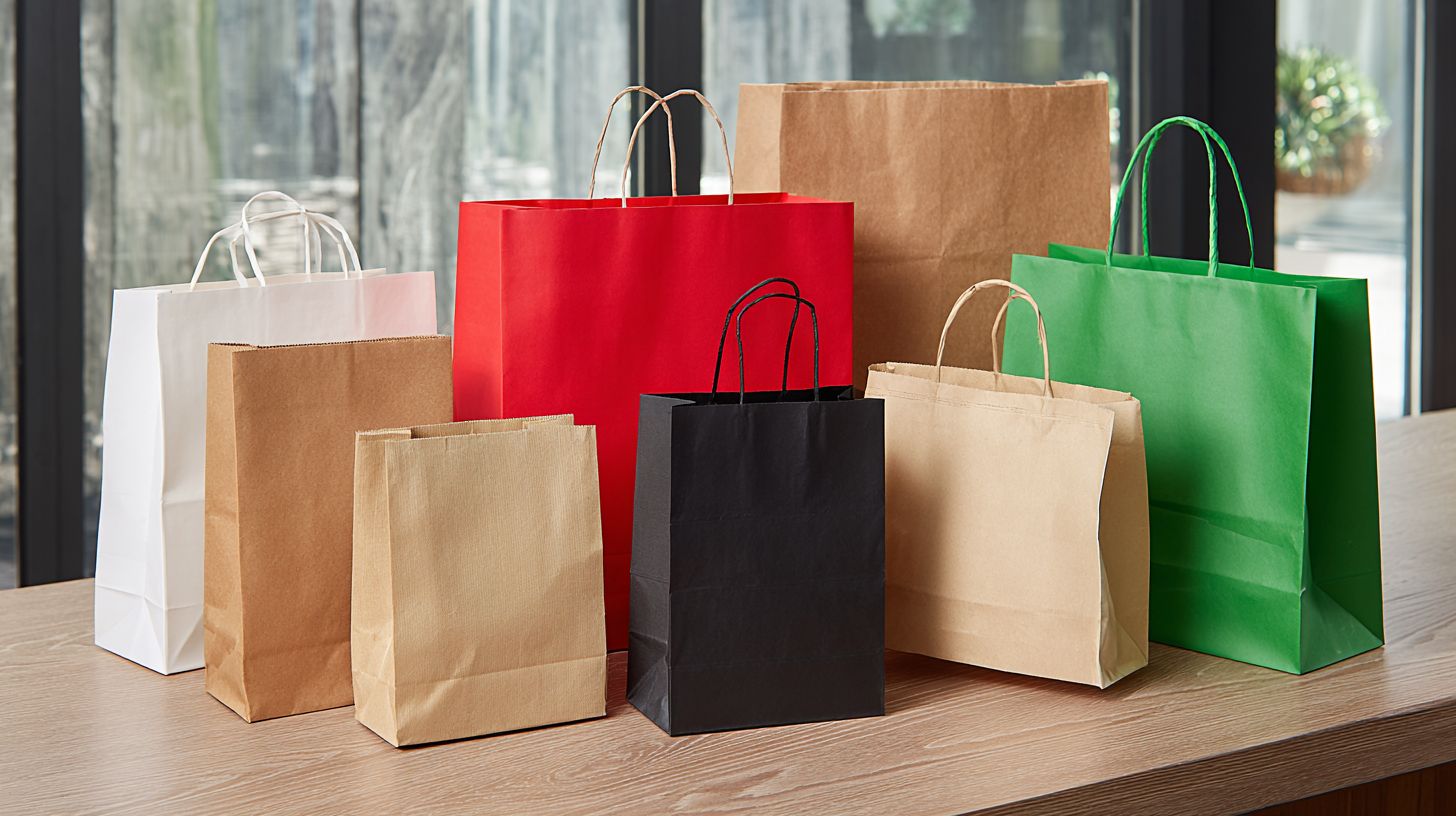
Gift and luxury bags prioritize aesthetic appeal through features such as matte finishes and custom prints, which have been shown to drive a 15% increase in sales within boutiques, according to a 2022 survey by Packaging Strategies.
To further enhance their allure, incorporating drawstring or ribbon handles provides an elegant touch, while foil stamping for branded logos imparts a premium shimmer. These enhancements deliver a luxurious sensory experience at an additional cost of $0.25 to $1.00 per unit, representing a 20-30% increase in production expenses compared to standard bags.
For customization needs, digital printing is recommended for short production runs of under 1,000 units, enabling efficient design testing. Available size options include small dimensions (4×6 inches) suitable for jewelry and larger formats (16×12 inches) for apparel.
For example, Tiffany & Co.’s signature blue bags elevate the unboxing experience, resulting in a 50% increase in social media shares. The luxury packaging market is projected to grow at a compound annual growth rate (CAGR) of 8%, as reported by MarketsandMarkets.
Specialized and Eco-Friendly Variations
Specialized and environmentally friendly variant s effectively address niche market requirements while advancing sustainability goals. Biodegradable options, in particular, are witnessing a 30% annual growth rate, driven by regulatory frameworks such as the European Union’s Single-Use Plastics Directive 2019/904.
Biodegradable Bags
Biodegradable paper bags decompose within 90 days under appropriate composting conditions, as certified by ASTM D6400 standards. These bags serve as an effective alternative to plastic options and have contributed to a 20% reduction in marine debris in regions that have adopted them, according to reports from the Ocean Conservancy.
These bags frequently incorporate PLA linings to improve compostability, enabling breakdown at 140 degreesF without the inclusion of PFAS chemicals, thereby ensuring the safety of the resulting soil. Priced between $0.10 and $0.28 per unit, they provide advantages such as environmental sustainability, though they are susceptible to moisture damage; this limitation can be addressed through the application of bio-coatings for enhanced water resistance.
For example, Starbucks’ biodegradable lunch bags compost in 12 weeks, aligning with the company’s 2030 zero-waste initiative and achieving a 40% reduction in carbon emissions compared to traditional plastic bags, as outlined in corporate reports. Common variations include:
- Interleaved: Designed for dispensers, these decompose in 90 days and offer 35% carbon savings.
- Valve: Intended for industrial applications, these break down in 60 days with 45% carbon savings.
- Gusseted: Suited for retail environments, these decompose in 80 days and provide 40% carbon savings.
- Flat-pack: Optimized for shipping, these break down in 100 days with 30% carbon savings.
Frequently Asked Questions
What Are the Different Types of Paper Bags Available?
Paper bags come in various types to suit different needs, including kraft paper bags made from natural brown paper for durability; white paper bags for a clean, premium look often used in retail; grocery paper bags with flat or square bottoms for carrying heavy items; gift paper bags featuring decorative designs and handles for presents; food-safe paper bags like grease-resistant ones for takeaways; and custom printed paper bags tailored with logos or branding for businesses. What Are the Different Types of Paper Bags Available? These options provide eco-friendly alternatives to plastic with versatility in size and style.
What Are the Different Types of Paper Bags Available for Retail Use?
For retail, the main types include merchandise paper bags with twisted or flat handles for easy carrying; luxury paper bags with matte or glossy finishes and foil accents for high-end shopping; and folded top paper bags that can be sealed for security. What Are the Different Types of Paper Bags Available? Retailers often choose biodegradable options like recycled kraft to appeal to environmentally conscious customers, offering both functionality and branding potential.
What Are the Different Types of Paper Bags Available for Food Packaging?
Food packaging features greaseproof paper bags to prevent oil stains; bakery paper bags with windows to display contents; and sandwich paper bags made from lightweight, perforated material for ventilation. What Are the Different Types of Paper Bags Available? These are typically FDA-approved, compostable, and come in various sizes to handle everything from pastries to fast food, emphasizing hygiene and sustainability over plastic alternatives.
What Are the Different Types of Paper Bags Available with Handles?
Handled varieties include paper bags with twisted paper handles for strength in grocery or shopping; die-cut handle paper bags for lightweight retail items; and soft loop handle paper bags using plastic alternatives for comfort. What Are the Different Types of Paper Bags Available? These designs enhance portability and are popular for markets and boutiques, with options in kraft or colored paper to match branding while remaining recyclable.
What Are the Different Types of Paper Bags Available in Eco-Friendly Materials?
Eco-friendly options encompass recycled content paper bags from post-consumer waste; unbleached kraft paper bags to minimize chemical use; and biodegradable paper bags certified by compost standards. What Are the Different Types of Paper Bags Available? These sustainable types reduce environmental impact, are widely used in zero-waste initiatives, and include features like reinforced bottoms for durability without compromising on green credentials.
What Are the Different Types of Paper Bags Available for Custom Printing?
Customizable types include flexographic printed paper bags for high-volume runs with vibrant colors; digital printed paper bags for small batches and intricate designs; and foil-stamped paper bags for metallic logos on premium stock. What Are the Different Types of Paper Bags Available? Businesses opt for these to promote their brand, available in materials like matte or glossy paper, ensuring they are both eye-catching and environmentally responsible.
Ready to upgrade your packaging with high-quality paper bags that make your brand stand out?
At aplasticbag.com, we offer a wide range of durable, eco-friendly paper bags in multiple styles, sizes, and custom printing options to fit your business needs. Whether you’re in retail, food service, or gifting, we make it easy to find the perfect solution at competitive prices.
Order now and give your customers packaging that’s practical, sustainable, and visually impressive. Don’t wait—order now from aplasticbag.com and take your brand presentation to the next level.

 Are Paper Bags More Expensive Than Plastic Alternatives?
  How Wholesale Paper Bags Help Businesses Save More and Sell Better
  Plastic vs Paper Bags: Which Packaging Drives More Customer Attention?
Comments