
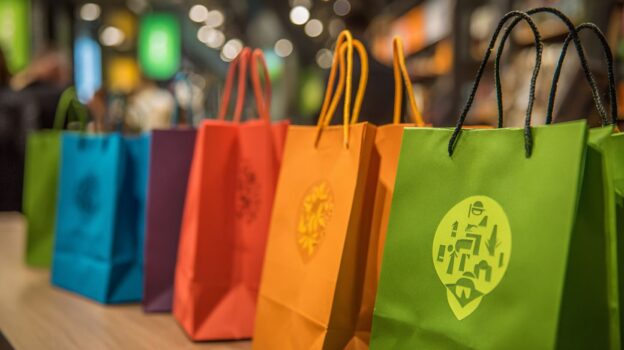
Environmental responsibility is no longer a trend-it is a necessity. Across the globe, businesses and consumers are becoming more conscious of how everyday choices affect the planet. One such choice is packaging. While plastic packaging was once considered convenient and economical, its long-term environmental impact has forced industries to rethink their approach. Choosing sustainable alternatives is not only a responsible move but also a forward-thinking business decision.
Among the available options, custom paper bags have emerged as a practical and eco-friendly solution. They help reduce environmental damage, support recycling systems, and reflect a brand’s commitment to sustainability. Understanding why paper-based packaging matters can help businesses and consumers make better choices for the future.

The Hidden Environmental Cost of Plastic
Many people avoid plastic because they know it harms the environment, but few truly understand how deep the damage goes. Plastic packaging is designed for convenience, yet it leaves behind long-lasting consequences. From production to disposal, plastic negatively affects ecosystems, wildlife, and even human health.
When we reduce plastic usage and adopt paper-based alternatives, we take a meaningful step toward restoring environmental balance. This shift is not about inconvenience; it is about responsibility and long-term thinking.
Dependence on Non-Renewable Resources
Plastic production relies heavily on petroleum-based resources. Oil and natural gas, both fossil fuels, are finite and take millions of years to form. As demand for plastic increases, so does the pressure on these limited resources.
Reducing plastic consumption directly lowers fossil fuel dependency. Paper packaging, on the other hand, is derived from renewable sources when responsibly managed. Sustainable forestry practices ensure that raw materials are replenished, making paper a smarter long-term choice.
Recycling Makes the Difference
A common misconception is that paper production harms forests more than plastic. In reality, paper products are among the most recyclable materials available. Unlike plastic, which degrades in quality when recycled, paper fibers can be reused multiple times before becoming unusable.
Even lower-grade paper products can be recycled repeatedly, reducing the need for virgin raw materials. This circular lifecycle plays a crucial role in conserving resources and minimizing environmental strain.
Cleaner Streets and Healthier Ecosystems
Lightweight plastic waste often escapes waste bins and ends up in streets, rivers, and oceans. Items like plastic bags with handles are especially problematic because they travel easily with wind and water. Once discarded, they can remain in the environment for decades without breaking down.
Paper alternatives decompose naturally and do not release toxic chemicals into soil or water. This significantly reduces litter accumulation and helps maintain cleaner urban and natural spaces.
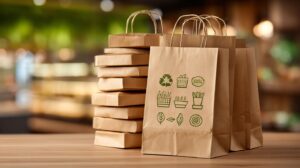
Lower Carbon Emissions
The manufacturing process of plastic packaging releases a significant amount of greenhouse gases. These emissions contribute to global warming, climate change, and ozone layer depletion. Over time, the accumulation of such gases intensifies environmental damage.
Paper bag production generally results in lower carbon emissions, especially when recycled materials are used. By choosing paper-based packaging, businesses can actively reduce their carbon footprint and support climate-friendly practices.
Supporting Better Waste Management
One of the major challenges of modern waste management is handling non-biodegradable materials. Plastic waste often ends up in landfills where it occupies space indefinitely. This increases pressure on municipal waste systems and leads to environmental contamination.
Paper packaging fits more easily into existing recycling and composting infrastructures. When disposed of properly, paper waste can be transformed into new products instead of adding to landfill overflow.
A Smarter Choice for Businesses
Businesses play a critical role in shaping consumer behavior. Packaging is often the first physical interaction a customer has with a brand. Choosing custom paper bags for business communicates responsibility, quality, and environmental awareness.
Beyond sustainability, paper bags offer excellent branding opportunities. They can be printed, customized, and designed to align with brand identity while maintaining an eco-conscious image. This balance of functionality and ethics makes paper packaging a valuable investment.
Long-Term Economic Benefits
Plastic packaging may appear cheaper initially, especially when purchased in bulk. However, the hidden environmental and social costs outweigh the short-term savings. Governments worldwide are introducing stricter regulations and taxes on plastic usage, increasing its long-term expense.
Paper packaging helps businesses future-proof their operations. By adopting sustainable solutions early, companies avoid regulatory risks and appeal to environmentally conscious consumers.
Bottom Line
The choice between plastic and paper is no longer just about convenience—it is about responsibility. Every small change contributes to a larger environmental impact. Switching to paper packaging reduces pollution, conserves resources, and supports a healthier planet.
When given the option, choosing paper bags over single-use plastic is a simple yet powerful decision. It reflects care for the environment, supports recycling systems, and sets a positive example for future generations.

Frequently Asked Questions
Q: Why are custom paper bags considered eco-friendly?
Custom paper bags are made from renewable resources and can be recycled multiple times, reducing the need for new raw materials. They decompose naturally and do not release harmful toxins into the environment. Their production and disposal have a significantly lower environmental impact compared to plastic alternatives, making them a responsible choice for sustainable packaging.
Q: How do paper bags compare to plastic bags in daily use?
Paper bags are durable, reusable, and biodegradable, making them suitable for everyday use. Unlike plastic bags, they do not contribute to long-term pollution or harm wildlife. With proper design and quality materials, paper bags can comfortably carry groceries, retail items, and takeaway food without compromising convenience.
Q: What makes plastic bags with handles harmful to the environment?
Plastic bags with handles are lightweight and often escape proper disposal, ending up in landfills or natural habitats. They take years to break down and can release toxic substances into soil and water. Wildlife often mistakes them for food, causing severe ecological damage.
Q: Why should brands invest in custom paper bags for business growth?
Custom paper bags for business enhance brand image while demonstrating environmental responsibility. They offer excellent customization options, improve customer perception, and align with sustainability goals. This eco-conscious approach builds trust, attracts modern consumers, and supports long-term brand value.
Make a positive impact on the planet while elevating your brand with eco-friendly custom paper bags from aplasticbag.com. Choose sustainable packaging that reduces plastic waste, enhances your brand image, and shows your commitment to the environment.
Order now from aplasticbag.com and take a smart step toward a greener, more responsible future—your customers and the Earth will thank you.

 Plastic Bags vs. Paper Bags: Which Is Better for Your Business in 2027?
  Custom Plastic Shopping Bags vs Paper Packaging: Cost, Branding & Convenience
  Paper Bags: The Go-To Choice for Eco-Friendly Packaging
Comments